
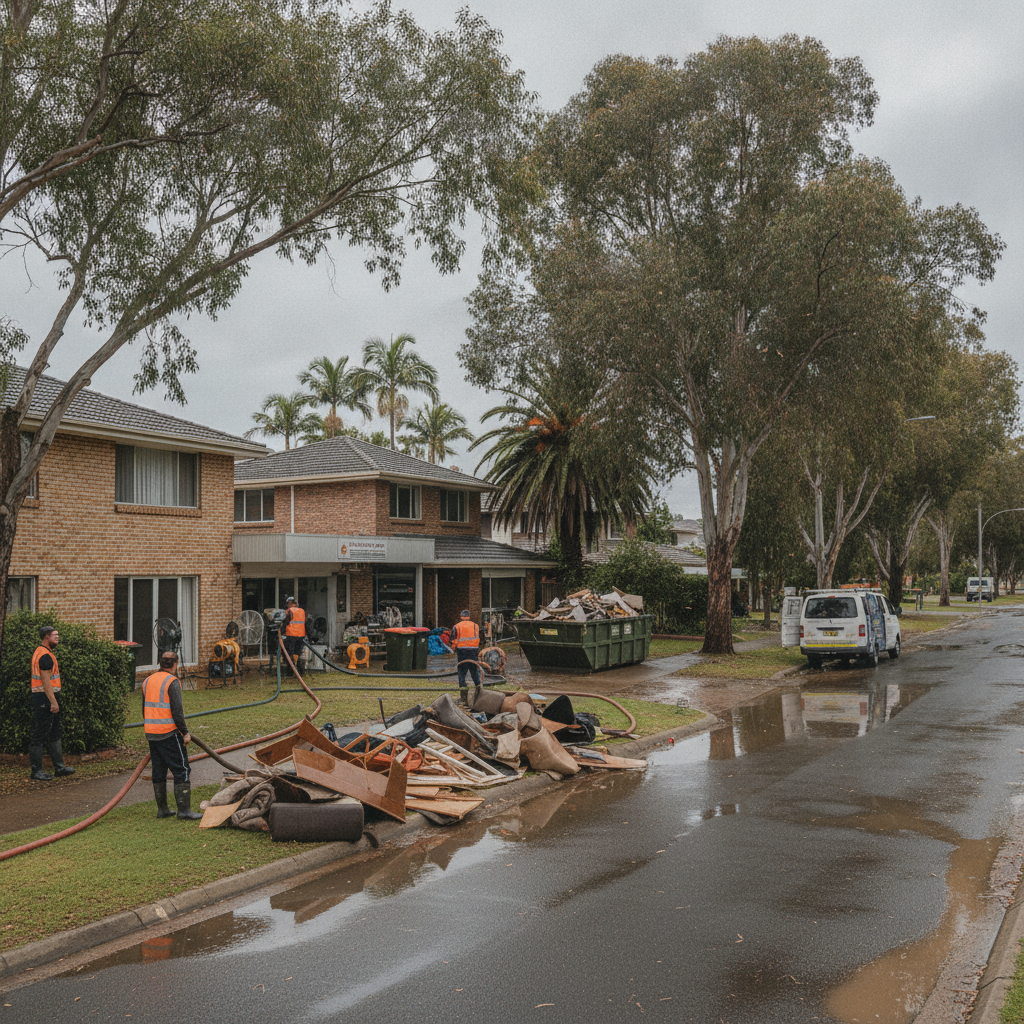
Swift flood and water damage restoration for Australian homes and businesses
- By, National Restoration Network
- 19 Jun, 2026
Swift flood and water damage restoration for Australian homes and businesses
Australia’s diverse climate, from the intense storms of the north to the sudden downpours in urban centres, means that water damage is an all too common and devastating reality for many property owners. Whether it’s a burst pipe, an overflowing appliance, or a major flood event, water can cause extensive destruction rapidly, compromising structural integrity, encouraging mould growth, and damaging cherished possessions. The aftermath of water inundation is not just about visible puddles; it’s about hidden moisture, long-term health risks, and significant financial burdens if not addressed promptly and professionally. Understanding the critical importance of immediate action and expert intervention is the first step toward safeguarding your property and peace of mind when facing such an emergency.
When disaster strikes, the immediate response can significantly mitigate the damage and reduce restoration costs. That's why professional water damage restoration in Australia is not merely a convenience but an absolute necessity. From emergency water extraction to comprehensive drying and sanitisation, a skilled team equipped with advanced technology can transform a seemingly catastrophic situation into a manageable recovery process. This article will delve into the nuances of water damage, the urgency of professional intervention, and what to look for in reliable disaster restoration services Australia-wide, ensuring your property receives the care it needs to return to its pre-damage state.
The Immediate Threat and Urgency of Emergency Water Damage Restoration
The clock starts ticking the moment water enters your property. Within minutes, water can spread rapidly, soaking into carpets, walls, furniture, and foundations. Within hours, materials begin to swell, warp, and discolour. Within days, the perfect breeding ground for mould and mildew is established, posing significant health risks and exacerbating structural damage. This rapid deterioration underscores why emergency water damage restoration is paramount.
An immediate response addresses several critical issues:
- Preventing Mould Growth: Mould can begin to grow within 24-48 hours of water exposure. It not only causes unpleasant odours but also poses serious health risks, including respiratory issues and allergic reactions. Swift drying and dehumidification are crucial to inhibit its spread.
- Minimising Structural Damage: Prolonged water exposure can weaken building materials like timber, plasterboard, and insulation. Floors can buckle, walls can swell, and ceilings can collapse. Rapid water extraction and structural drying help preserve the integrity of your property.
- Protecting Valuables: Furniture, electronics, documents, and personal belongings are highly susceptible to water damage. Quick action can save many items from irreversible damage, reducing personal and financial loss.
- Eliminating Electrical Hazards: Standing water can create dangerous electrical hazards, increasing the risk of electrocution or fire. Professional restoration teams prioritise safety, often shutting off power to affected areas before commencing work.
Professional emergency services offer 24/7 availability because they understand that water damage doesn't adhere to business hours. Their rapid deployment means technicians can be on-site quickly, assessing the situation, initiating water extraction, and setting up drying equipment to halt further damage in its tracks. This proactive approach is the most effective way to protect your property and health after an unexpected water incident.
Understanding Water and Flood Restoration Australia
Water damage isn't a singular event; it comes in various forms, each requiring a tailored approach to restoration. In Australia, properties can be affected by anything from minor internal leaks to widespread inundation from natural disasters. Understanding the different categories of water damage is crucial for effective flood restoration Australia and general water damage repair.
Categories of Water Damage
- Category 1 (Clean Water): This originates from a sanitary source, such as a burst pipe, overflowing sink, or appliance malfunction (e.g., washing machine, hot water system). While initially clean, it can quickly degrade if not addressed.
- Category 2 (Grey Water): This water contains a significant level of chemical, biological, or physical contaminants, such as dishwasher or washing machine discharge, toilet overflows (with urine only), or sump pump failures. It can cause illness if ingested.
- Category 3 (Black Water): This is grossly contaminated and contains pathogenic agents, originating from sewage backups, floodwaters from rivers or oceans, or any water that has been stagnant for an extended period. Black water poses severe health risks and requires specialised handling and disposal.
Each category dictates the specific procedures for extraction, cleaning, sanitisation, and disposal of contaminated materials. For comprehensive support, especially in complex situations, you can rely on expert services for water damage restoration Australia, ensuring all aspects of the damage are professionally addressed according to industry standards.
The Scope of Flood Restoration
Flood restoration Australia often involves Category 3 (black water) due to external factors like heavy rainfall, overflowing rivers, or storm surges. These events typically impact larger areas and present more complex challenges, including widespread contamination, structural instability, and extensive debris. Flood restoration goes beyond simple drying; it often includes:
- Large-scale water extraction and debris removal.
- Thorough cleaning and sanitisation of all affected surfaces and contents.
- Specialised drying of structural elements, including walls, floors, and cavities.
- Mould remediation to address potential widespread contamination.
- Coordination with insurance companies and other disaster relief efforts.
Professional restoration companies in Australia possess the expertise and equipment to handle the unique challenges posed by both internal water incidents and large-scale flood events, ensuring a safe and thorough recovery.
The Professional Water Damage Restoration Process Explained
A structured, systematic approach is essential for effective water damage restoration. While every situation is unique, a professional restoration company follows a proven methodology to ensure thorough drying, cleaning, and repair.
1. Initial Assessment and Safety First
Upon arrival, technicians conduct a comprehensive assessment of the damage, identifying the source of the water, the category of water, and the extent of saturation. Safety is paramount, involving checks for electrical hazards and structural instability. They will also document the damage for insurance purposes.
2. Water Extraction
Using powerful pumps and vacuums, restoration specialists rapidly remove standing water from the property. This step is critical as it prevents further absorption into materials and kickstarts the drying process. The quicker water is extracted, the less damage will occur.
3. Drying and Dehumidification
Once visible water is removed, the focus shifts to extracting hidden moisture. Industrial-grade air movers are strategically placed to promote evaporation, while high-efficiency dehumidifiers draw moisture from the air and building materials. This process is carefully monitored using moisture meters and thermal imaging cameras to ensure complete drying and prevent future mould growth.
4. Cleaning, Sanitising, and Deodorising
Depending on the water category, affected areas and salvageable contents are thoroughly cleaned, disinfected, and sanitised. Specialised cleaning agents are used to eliminate bacteria, viruses, and other contaminants. Odour removal is also a crucial part of this stage, addressing musty smells caused by moisture and mould.
5. Restoration and Repairs
The final stage involves restoring the property to its pre-damage condition. This can range from minor repairs like replacing drywall and flooring to more extensive reconstruction. Professional restoration companies often provide comprehensive services, handling everything from initial drying to the final touches, ensuring a seamless return to normalcy.
Choosing the Right Partner for Disaster Restoration Services Australia
When facing water damage, selecting the right restoration partner is critical. You need a team that is not only highly skilled and equipped but also responsive and compassionate. When searching for "water damage restoration near me," consider these key factors:
- 24/7 Emergency Response: Water damage doesn't wait. A reputable company offers round-the-clock service, ensuring immediate dispatch of technicians when you need them most.
- Certified Professionals: Look for technicians certified by the Institute of Inspection, Cleaning and Restoration Certification (IICRC). This certification signifies adherence to industry best practices and a high level of expertise.
- Advanced Equipment: Effective restoration requires specialised tools, including industrial-strength extractors, dehumidifiers, air movers, and moisture detection devices.
- Insurance Liaison: A good restoration company will assist with the insurance claims process, providing detailed documentation, estimates, and direct communication with your insurer to streamline your claim.
- Comprehensive Services: From water extraction and drying to mould remediation and reconstruction, choose a provider that offers end-to-end disaster restoration services Australia-wide, simplifying the recovery process.
- Local Knowledge and Reputation: A company with a strong local presence and positive reviews demonstrates reliability and understanding of specific regional challenges.
For unparalleled expertise and a nationwide network of trusted professionals, consider the National Restoration Network. They connect you with certified experts who are equipped to handle any scale of water damage, ensuring a swift and effective recovery process.
Conclusion
Water damage, whether from a sudden leak or a widespread flood, is a highly stressful and potentially devastating event for any property owner. The key to mitigating its impact and ensuring a full recovery lies in immediate action and professional intervention. From the critical first hours of emergency water extraction to the meticulous process of drying, sanitising, and repairing, every step is vital in protecting your property from long-term damage, mould, and structural issues.
By understanding the different categories of water damage and the comprehensive restoration process, you empower yourself to make informed decisions when disaster strikes. Choosing a reputable and certified provider for water damage restoration Australia is not just about cleaning up; it's about safeguarding your investment, your health, and your peace of mind. For reliable, prompt, and expert assistance, reaching out to a trusted network like the National Restoration Network can provide the crucial support needed to navigate the challenges of water damage and restore your property to its pristine condition.