
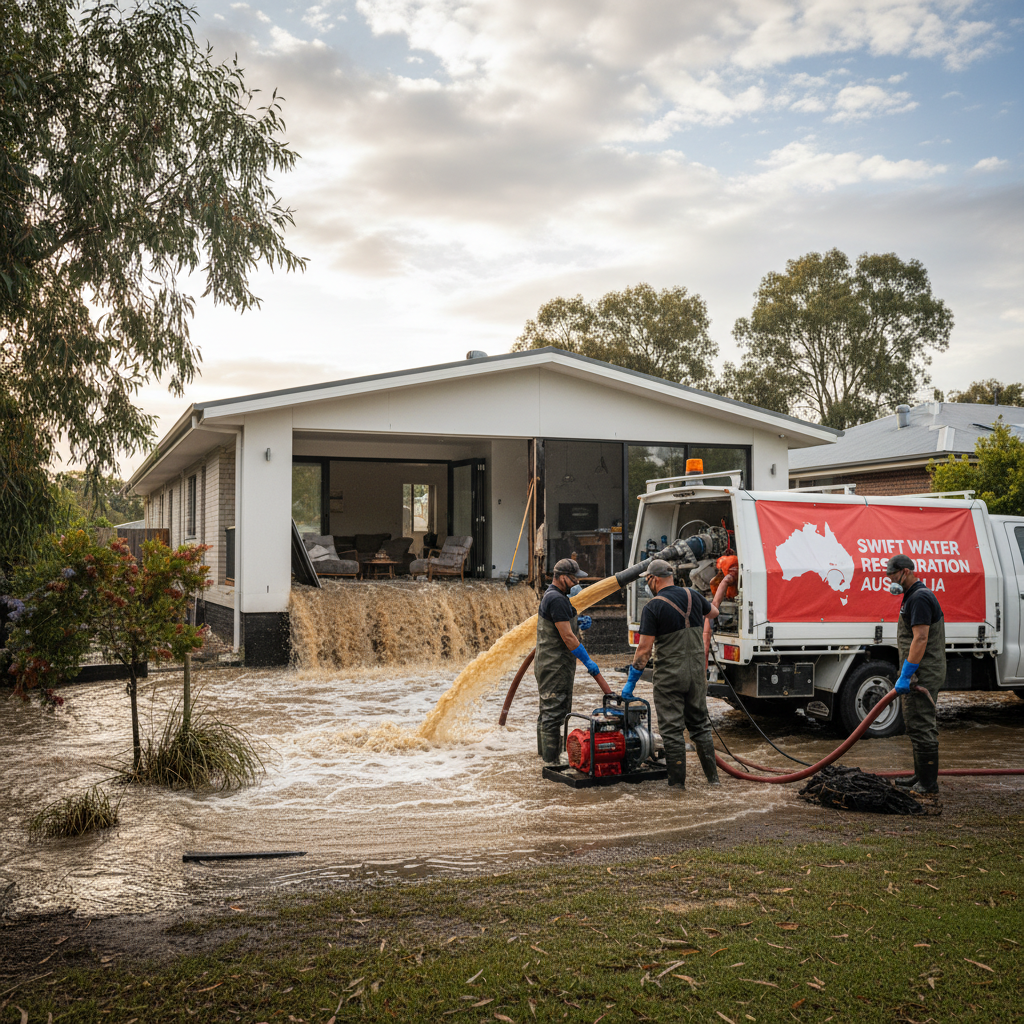
Swift Water Damage Restoration Across Australia Protects Your Property and Health
- By, National Restoration Network
- 28 May, 2026
Swift Water Damage Restoration Across Australia Protects Your Property and Health
Water damage can strike unexpectedly, transforming a peaceful home or productive business into a scene of chaos and potential devastation. Whether it's a burst pipe, an overflowing appliance, or the widespread impact of a natural disaster, the aftermath demands immediate and expert attention. In Australia, where weather patterns can range from scorching droughts to torrential floods, the need for reliable water damage restoration australia services is paramount. This comprehensive guide will walk you through the critical steps of managing water intrusion, the importance of professional intervention, and how to find the urgent help you need to safeguard your property and well-being.
When water infiltrates your property, the clock starts ticking. Every hour that passes increases the risk of irreversible structural damage, severe mould growth, and the loss of cherished possessions. Understanding the urgency and knowing who to call for emergency water damage restoration can make all the difference between a minor setback and a catastrophic loss. From isolated incidents to large-scale flood restoration australia efforts, professional restoration experts are equipped to handle the myriad challenges presented by water-related disasters.
The Immediate Threat of Water Damage and Why Speed is Critical
The moment water enters your property, it begins a destructive process. Beyond the visible puddles and soaked carpets, water seeps into walls, floors, and foundations, compromising structural integrity and creating an ideal breeding ground for mould and bacteria. This hidden damage often goes unnoticed by the untrained eye, making DIY attempts at cleanup not only ineffective but potentially dangerous.
Consider the following timeline of damage progression:
- Within Minutes: Water spreads rapidly, staining walls, floors, and upholstery. Books and documents swell and warp.
- Within Hours: Wood swells, furniture delaminates, and dyes from fabrics bleed. Odours begin to develop, and mould spores start to activate.
- Within Days: Mould becomes visible and can spread throughout the property. Structural components like drywall and insulation start to disintegrate. Serious health risks emerge for occupants due to airborne contaminants.
- Within Weeks: Extensive structural damage becomes apparent, potentially requiring major reconstruction. The cost of flood damage repair australia escalates significantly, and many items may be unsalvageable.
This rapid deterioration underscores why searching for "water damage restoration near me" and engaging professionals immediately is not just advisable, but essential. A rapid response ensures that extraction, drying, and sanitisation efforts begin before damage becomes permanent and health risks multiply.
Understanding the Categories of Water Damage
Not all water damage is created equal, and understanding the source of the water is crucial for effective and safe restoration. Professionals categorise water damage into three main types:
- Category 1: Clean Water. This originates from a sanitary source, such as a burst water pipe, overflowing sink, or rainwater. While initially clean, it can quickly degrade into Category 2 or 3 if left untreated, as it mixes with contaminants in the environment.
- Category 2: Grey Water. This contains a significant level of chemical, biological, or physical contaminants. Examples include discharge from dishwashers, washing machines, toilet bowls (without faeces), or sump pump failures. It can cause discomfort or illness if consumed.
- Category 3: Black Water. This is highly contaminated and unsanitary, posing severe health risks. Sources include sewage backups, rising floodwaters from rivers or oceans, and ground surface water entering a property. Black water contains pathogenic agents and toxins and requires specialised handling and extensive decontamination. This is particularly relevant for flood restoration australia where external water sources are often involved.
Identifying the category of water damage is the first critical step for any professional water damage restoration australia team, as it dictates the safety protocols, equipment, and cleaning agents required for a thorough and safe restoration.
The Comprehensive Process of Professional Water Damage Restoration
Engaging a professional service for water damage restoration australia involves a systematic and multi-stage process designed to return your property to its pre-damage condition. This structured approach ensures every aspect of the damage is addressed, from hidden moisture to potential structural weaknesses.
Initial Assessment and Damage Inspection
The process begins with a thorough inspection of your property. Restoration specialists use advanced tools like moisture detectors, hygrometers, and thermal imaging cameras to locate all areas of water intrusion, including hidden moisture behind walls and under flooring. This assessment helps determine the extent of the damage, the category of water, and the most effective restoration plan. This is a crucial step for both small-scale issues and extensive flood damage repair australia.
Emergency Water Extraction
Once the assessment is complete, the focus shifts to removing standing water as quickly as possible. High-powered pumps and industrial-strength wet vacuums are deployed to extract water from carpets, subflooring, and other affected areas. This step is vital in preventing further saturation and mitigating the conditions for mould growth. For emergency water damage restoration, this phase is often initiated within hours of the call.
Drying and Dehumidification
After visible water is removed, the property still retains significant moisture. Professional teams use industrial-grade air movers and dehumidifiers to thoroughly dry out the affected areas. This equipment creates airflow that encourages evaporation and removes moisture from the air, preventing secondary damage and mould. Monitoring equipment is used throughout this stage to ensure optimal drying conditions are maintained until moisture levels return to normal.
Cleaning, Sanitising, and Deodorising
Any materials affected by water damage, especially from Category 2 or 3 sources, require comprehensive cleaning and sanitisation. This includes treating surfaces with antimicrobial agents to kill bacteria and mould spores, and powerful disinfectants to eliminate health hazards. Professional deodorisation techniques are also applied to remove any lingering musty odours, leaving your property fresh and clean. This is particularly important for `flood restoration australia` where contaminants are often prevalent.
Restoration and Repair
The final stage involves restoring your property to its pre-damage state. This can range from minor repairs, such as replacing drywall and insulation, to more extensive reconstruction. The goal is to ensure all structural elements are sound and finishes are seamless, making it impossible to tell that water damage ever occurred. For significant events requiring flood damage repair australia, this phase might involve rebuilding entire sections of a property.
Why Choose a National Restoration Network for Water Damage in Australia
When faced with water damage, particularly if you're searching for "water damage restoration near me" during an emergency, the choice of restoration company matters immensely. Opting for a reputable and experienced network offers distinct advantages:
- 24/7 Emergency Response: Water damage doesn't adhere to business hours. A national network provides round-the-clock availability for emergency water damage restoration, ensuring that help is dispatched as soon as you call, regardless of the time or day.
- Expertise and Certification: Professionals within a national network are highly trained, certified, and experienced in all aspects of water damage restoration. They understand Australian building codes, environmental regulations, and best practices for safe and effective cleanup.
- Advanced Equipment: These companies invest in state-of-the-art equipment, from powerful water extractors and industrial dehumidifiers to advanced moisture detection tools, ensuring a thorough and efficient restoration process.
- Insurance Liaison: Navigating insurance claims can be complex and stressful. A professional restoration company often works directly with your insurance provider, streamlining the claims process and ensuring all necessary documentation is provided.
- Comprehensive Service: From initial assessment to final repairs, a national network offers a complete suite of services, meaning you don't have to coordinate multiple contractors. This holistic approach is especially beneficial for large-scale flood restoration australia projects.
- Consistent Standards: A National Restoration Network ensures consistent quality and service delivery across different locations, giving you peace of mind that you're receiving the same high standard of care no matter where you are in Australia.
Preventing Future Water Damage Incidents
While professional restoration handles the aftermath, proactive measures can significantly reduce your risk of future water damage. Implementing these preventative steps can save you considerable stress and cost:
- Regular Inspections: Periodically check your plumbing, including pipes, taps, and water heaters, for leaks or signs of corrosion. Inspect your roof, gutters, and downspouts for blockages or damage, especially before and after severe weather.
- Maintain Appliances: Routinely check hoses and connections for washing machines, dishwashers, and refrigerators. Replace old or cracked hoses before they fail.
- Monitor Water Pressure: High water pressure can stress pipes and lead to leaks. Consider installing a water pressure regulator if your home's pressure is consistently high.
- Proper Drainage: Ensure your property has adequate drainage away from the foundation. Clear storm drains and ensure landscaping slopes direct water away from your home, particularly in areas prone to flood damage repair australia.
- Sump Pump Maintenance: If you have a basement or crawl space, regularly test your sump pump and ensure it's free of debris. Consider a battery backup for power outages.
- Be Prepared for Severe Weather: In flood-prone areas, keep sandbags ready, elevate valuable items, and know your evacuation routes. Having an emergency kit is always a good idea.
Conclusion
Water damage is a formidable challenge that demands a swift, professional, and thorough response. From a burst pipe in your kitchen to extensive flood restoration australia following a major weather event, the consequences of delayed action can be severe, impacting both your property's integrity and your family's health. By understanding the risks, recognising the need for emergency water damage restoration, and knowing the comprehensive process involved, you can better protect your investment.
For residents and businesses across Australia, the solution lies in contacting experienced professionals immediately. Don't let water damage escalate into a larger problem. When you need expert help with water damage restoration australia, search for "water damage restoration near me" and connect with a trusted provider like the National Restoration Network. Their rapid response, advanced techniques, and commitment to comprehensive restoration will ensure your property is returned to a safe, dry, and healthy condition, providing you with invaluable peace of mind.