
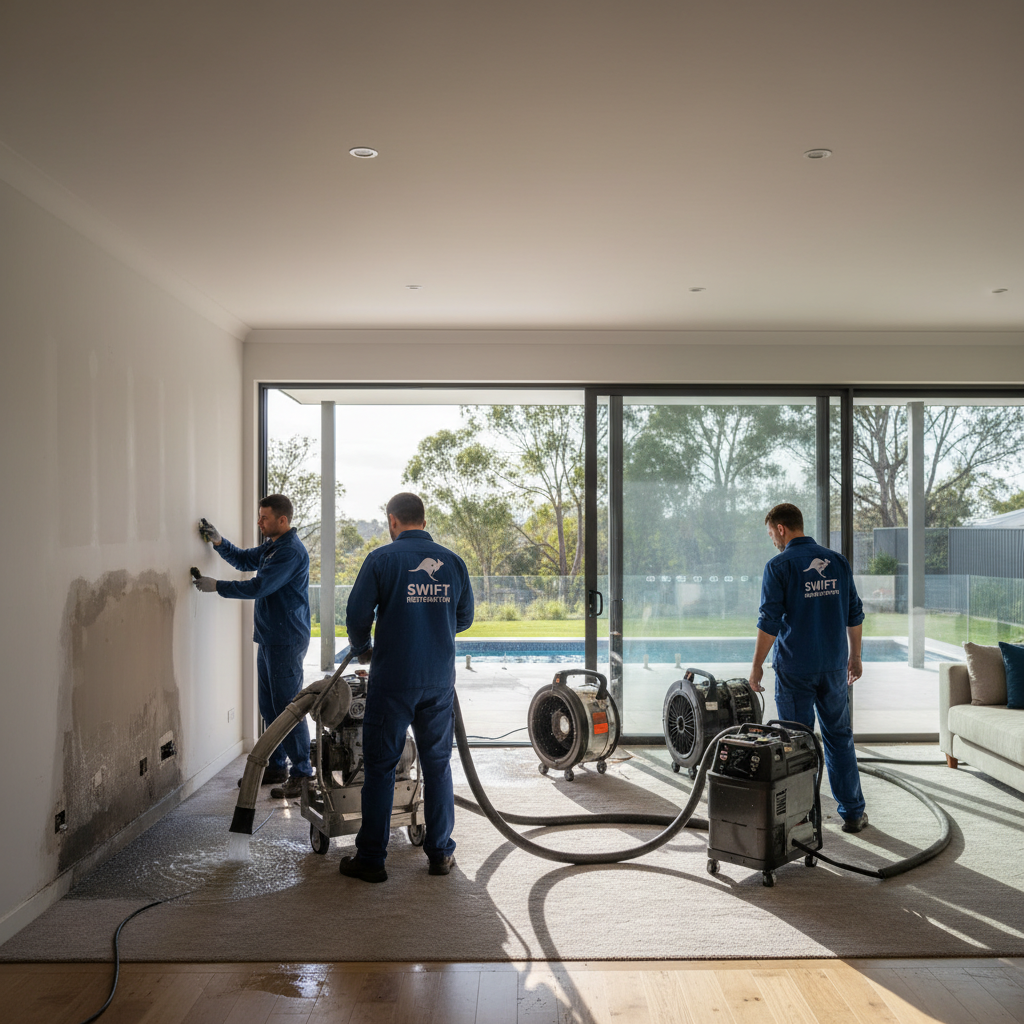
Swift Professional Water Damage Restoration Solutions for Australian Homes and Businesses
- By, National Restoration Network
- 14 May, 2026
Swift Professional Water Damage Restoration Solutions for Australian Homes and Businesses
Water damage can strike unexpectedly, transforming a peaceful home or productive business environment into a scene of chaos and potential long-term issues. Whether it's a sudden burst pipe, an overflowing appliance, or the widespread devastation of a natural flood, the impact can be immediate and severe. Beyond the visible destruction, water can seep into every crevice, compromising structural integrity, encouraging mould growth, and damaging invaluable possessions. When faced with such a crisis, the need for immediate, professional intervention is paramount. Across the vast and varied landscapes of Australia, from bustling city centres to remote regional communities, understanding the critical importance of effective water damage restoration is essential for protecting your property and wellbeing. This comprehensive guide will navigate the complexities of water damage, highlighting the crucial role of expert services in mitigating harm and restoring normalcy, particularly for those seeking reliable water damage restoration Australia-wide.
Understanding the Urgency of Water Damage and Its Far-Reaching Consequences
The moment water intrudes where it doesn't belong, a race against time begins. The longer water sits, the more profound and extensive the damage becomes. Initial concerns might focus on ruined carpets, furniture, or electronics, but the true threat lies beneath the surface. Water can quickly compromise foundations, weaken support beams, and cause irreparable damage to drywall, insulation, and electrical systems. Moreover, within just 24 to 48 hours, standing water creates an ideal breeding ground for mould and mildew, which not only cause unpleasant odours but also pose significant health risks, especially for individuals with allergies or respiratory conditions. This rapid deterioration underscores why emergency water damage restoration is not just a convenience, but a critical necessity for preserving property value, safeguarding health, and preventing costlier repairs down the line.
Sources of water damage are diverse, ranging from internal plumbing failures like leaky roofs, broken pipes, or overflowing toilets, to external forces such as severe storms, flash floods, or rising river levels. Each scenario presents unique challenges, requiring a tailored approach to assessment and restoration. For instance, water from a clean source (like a burst pipe) is treated differently from grey water (from a dishwasher overflow) or black water (from sewage backup or floodwaters), which carries significant health hazards. Recognising the type of water contamination is a crucial first step in any effective restoration plan, guiding the necessary sanitation and drying protocols. Prompt action is the single most important factor in limiting the scope of damage and ensuring a successful recovery.
Finding Reliable Water Damage Restoration Near Me Across Australia
When disaster strikes, the immediate thought for many homeowners and businesses is, "Who provides water damage restoration near me that I can trust?" The answer lies in connecting with a responsive, experienced, and well-equipped professional service. While local presence is vital for rapid response, the ability to draw on a wider network of expertise and resources can make all the difference, especially in a country as vast as Australia. A truly effective restoration service combines the agility of local teams with the robust capabilities of a national standard. This ensures that no matter where you are – whether in a metropolitan hub or a regional centre – professional help is accessible swiftly.
Choosing the right restoration company involves several key considerations. Look for providers who offer 24/7 emergency services, as water damage doesn't adhere to business hours. Certification from industry bodies, such as the Institute of Inspection, Cleaning and Restoration Certification (IICRC), indicates adherence to professional standards and best practices. Furthermore, a reputable company will have the necessary state-of-the-art equipment for water extraction, drying, dehumidification, and mould remediation. They should also possess a strong understanding of local building codes and environmental regulations. For comprehensive and reliable service across the continent, the National Restoration Network offers unparalleled expertise and reach. They connect you with certified professionals who are ready to respond to your urgent needs, ensuring you receive high-quality water damage restoration Australia-wide.
The Comprehensive Process of Professional Water Damage Restoration
Effective water damage restoration is a multi-stage process that requires precision, expertise, and specialised equipment. It’s far more involved than simply drying out a wet area. The goal is not just to remove water, but to completely dry, sanitise, and restore the affected property to its pre-damage condition, preventing secondary issues like structural weakness or mould proliferation. Here’s a breakdown of the typical professional restoration journey:
Initial Assessment and Damage Inspection
The first critical step involves a thorough assessment by certified technicians. They identify the source of the water, categorise the type of water (clean, grey, or black), and determine the extent of the damage to both visible and hidden areas. Moisture metres, thermal imaging cameras, and hygrometers are used to detect hidden moisture within walls, ceilings, and flooring, ensuring no area is overlooked. This detailed inspection informs the creation of a tailored restoration plan, outlining the necessary steps and estimated timeline.
Rapid Water Extraction
Once the assessment is complete, the immediate priority is to remove all standing water. High-powered pumps and industrial-strength wet/dry vacuums are deployed to extract water quickly and efficiently. Time is of the essence in this phase, as every minute water remains, the potential for further damage and mould growth increases exponentially. Efficient extraction significantly reduces drying times and minimises overall restoration costs.
Thorough Drying and Dehumidification
After visible water is removed, the focus shifts to drying out residual moisture. Professional-grade air movers and dehumidifiers are strategically placed to circulate air and draw moisture from materials like carpets, upholstery, drywall, and timber. This stage is crucial for preventing swelling, warping, and the ideal conditions for mould to thrive. Technicians continuously monitor moisture levels using specialised equipment to ensure thorough drying and prevent over-drying, which can also cause damage.
Cleaning, Sanitising, and Deodorisation
Depending on the category of water, cleaning and sanitisation are essential. All affected salvageable items and structural elements are thoroughly cleaned, disinfected, and deodorised. This step is particularly vital in cases of flood damage repair Australia or sewage backups, where contaminants and pathogens may be present. Professional-grade antimicrobial treatments are applied to inhibit mould and bacterial growth, and air scrubbers may be used to improve air quality and remove airborne contaminants and odours.
Restoration and Repairs
The final phase involves restoring your property to its pre-damage state. This can range from minor repairs like replacing drywall and repainting to more extensive structural rebuilds. It might include laying new flooring, repairing damaged ceilings, or reconstructing entire sections of a building. For comprehensive flood restoration Australia, this stage is critical in ensuring the property is not only safe but also aesthetically and functionally restored. Skilled tradespeople work diligently to complete all necessary repairs, ensuring a seamless return to normalcy.
Special Considerations for Flood Restoration in Australia
Australia's unique climate and geography mean that flood events can be particularly devastating, requiring specialised knowledge and equipment for effective flood restoration Australia-wide. From tropical cyclones causing torrential rains in the north to flash floods in arid zones and riverine flooding in eastern states, the challenges are varied. Floodwaters often carry significant amounts of silt, debris, and contaminants, making the restoration process more complex and hazardous than typical water damage scenarios. The need for comprehensive sanitisation and thorough drying to prevent mould and structural issues is amplified.
When dealing with flood damage repair Australia, professionals must consider factors like the high humidity that often follows flood events, which can hinder natural drying. They also need to be adept at managing contaminated materials safely and disposing of them responsibly. A key aspect of flood restoration is the meticulous removal of silt and mud, followed by extensive cleaning and disinfection of all affected surfaces. This rigorous approach ensures that properties are not only visually restored but also safe and hygienic for future occupancy. Engaging experienced professionals who understand these specific challenges is paramount for a successful and lasting recovery from flood damage.
Why Choose a Professional Network Like National Restoration Network
Navigating the aftermath of water damage can be overwhelming, but you don't have to do it alone. Choosing a professional and reliable service is the best decision for a swift and thorough recovery. The National Restoration Network offers a distinct advantage, providing a seamless connection to highly trained and certified restoration experts across the entire continent. When you need emergency water damage restoration, their network ensures a rapid response, minimising damage and accelerating the path to recovery. Their teams are equipped with industry-leading technology and adhere to stringent safety and quality standards, making them a trusted choice for water damage restoration Australia has to offer.
The benefits of working with a network like National Restoration Network extend beyond just quick response and technical expertise. They often assist with the complex insurance claims process, helping to document damage and communicate effectively with your insurer, thereby alleviating a significant burden during a stressful time. Their comprehensive service covers everything from initial assessment to final repairs, providing a single point of contact for all your restoration needs. For dependable and professional service, visit National Restoration Network to find local specialists ready to assist you.
Before Professionals Arrive: Immediate Steps You Can Take
While waiting for emergency water damage restoration professionals to arrive, there are several crucial steps you can take to minimise further damage and ensure safety:
- Ensure Safety First: Turn off electricity to the affected areas if it's safe to do so. Avoid walking through standing water if the power is still on.
- Stop the Source: If possible and safe, try to stop the source of water (e.g., turn off the main water supply valve for a burst pipe).
- Remove Excess Water: Use buckets, mops, or towels to remove as much standing water as you can.
- Move Valuables: Relocate furniture, rugs, and other valuable items from wet areas to prevent further damage.
- Ventilate: Open windows and doors to increase airflow, which can help with initial drying.
- Document Damage: Take photos or videos of the damage for insurance purposes.
Remember, these are temporary measures. Professional intervention is essential for proper drying, sanitisation, and preventing long-term issues like mould and structural damage. Do not attempt to use household fans or heaters to dry out severely waterlogged areas, as this is largely ineffective and can sometimes cause more harm.
Restoring Peace of Mind After Water Damage
Water damage, whether from a leaking appliance or a widespread flood, is a profoundly disruptive event. The key to mitigating its impact and restoring your property effectively lies in swift, professional action. Across Australia, homeowners and businesses alike can depend on expert services for comprehensive water damage restoration. From the immediate urgency of emergency water damage restoration to the specialised requirements of flood damage repair Australia, having a trusted partner makes all the difference. By understanding the restoration process and knowing who to call, you can safeguard your property and wellbeing, ensuring a prompt and thorough recovery. For dedicated water damage restoration Australia-wide, including detailed information on services and how to get immediate help, visit the experts at National Restoration Network. Don't let water damage define your property's future; act quickly and professionally to restore it.