
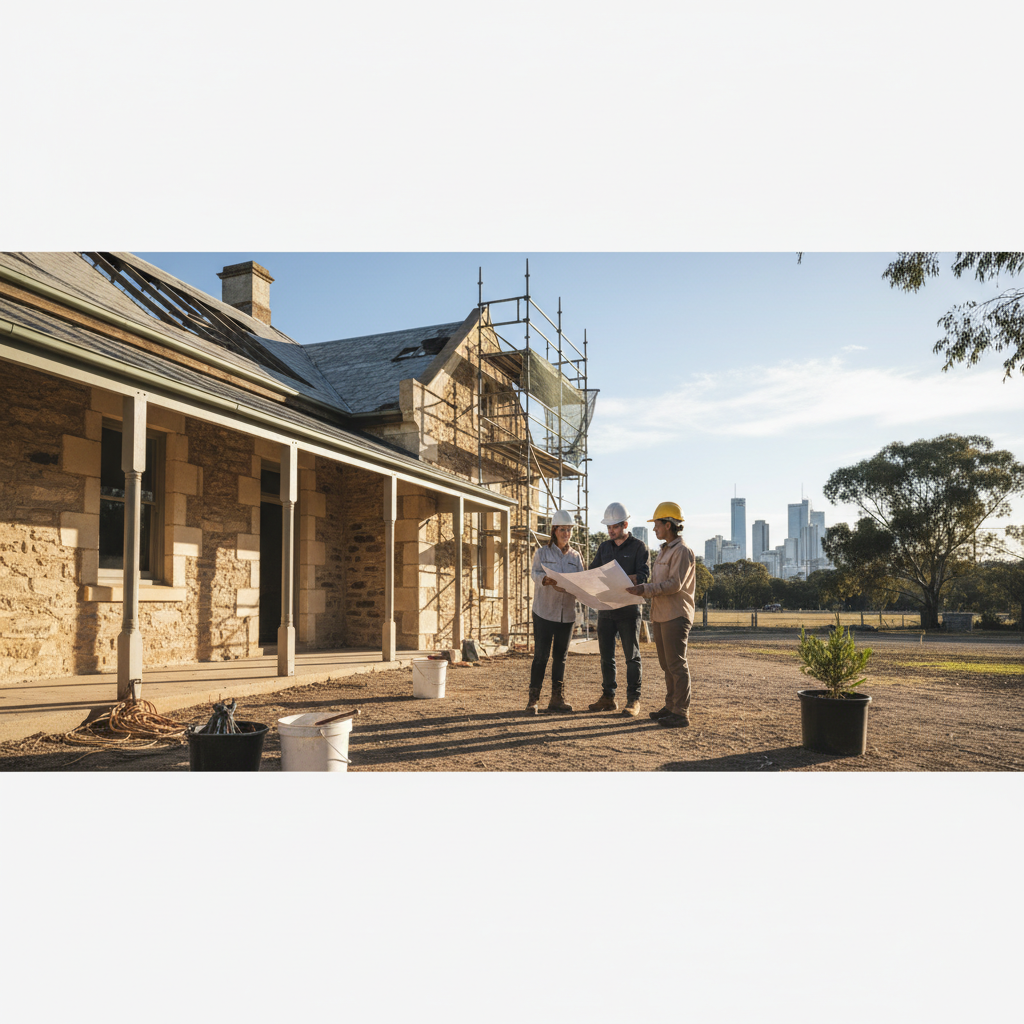
Selecting Australian Restoration Experts: Key Considerations for Property Owners
- By, National Restoration Network
- 01 Jun, 2026
Selecting Australian Restoration Experts: Key Considerations for Property Owners
Experiencing property damage, whether from a sudden flood, a devastating fire, or insidious mould growth, can be one of the most stressful events an Australian homeowner or business owner faces. Beyond the immediate shock and disruption, the daunting task of recovery often involves complex assessments, specialised remediation, and significant structural repairs. The quality of restoration work performed directly impacts your property's long-term integrity, safety, and value, making the choice of a restoration partner paramount.
In moments of crisis, the urge to find "water damage restoration near me" or "flood damage repair Australia" can be overwhelming, leading many to make hasty decisions. However, a well-informed approach is critical. This guide is designed to empower Australian property owners with the essential knowledge needed to navigate the selection process, ensuring you hire competent, certified professionals who can deliver a thorough and lasting recovery. We'll delve into the specifics of various damage types and outline the crucial criteria for evaluating restoration services, helping you make a confident choice for your property's future.
Understanding the Scope of Professional Restoration Services
Professional restoration goes far beyond basic cleanup. It involves a multi-faceted process aimed at mitigating further damage, safely removing contaminants, drying structures, repairing affected areas, and restoring your property to its pre-loss condition, or even better. Each type of damage presents unique challenges requiring specialised equipment, techniques, and expertise.
Water Damage Restoration & Flood Damage Repair in Australia
Water damage can stem from various sources, including burst pipes, overflowing appliances, roof leaks, or severe weather events causing "flood damage repair Australia." The urgency in addressing water damage is critical; standing water and high humidity can quickly lead to structural degradation, electrical hazards, and mould growth. Expert "water damage restoration near me" services typically involve:
- Emergency Water Extraction: Rapid removal of standing water using powerful pumps and vacuums.
- Structural Drying: Utilising industrial-grade dehumidifiers, air movers, and specialised drying techniques to remove moisture from building materials, often employing thermal imaging and moisture metres to ensure thoroughness.
- Sanitisation and Deodorisation: Cleaning and disinfecting affected areas to prevent bacterial growth and eliminate odours, especially crucial after category 2 (grey water) or category 3 (black water) contamination.
- Content Restoration: Salvaging and restoring personal belongings, furniture, and documents where possible.
- Mould Prevention: Proactive measures to inhibit mould development once moisture is controlled.
A reputable provider, like those within the National Restoration Network, understands the nuances of water damage, from initial assessment to the final stages of drying and repair, ensuring your property is returned to a safe and dry state.
Fire Damage Restoration Australia
Fire damage is notoriously complex, leaving behind not just charred structures but also pervasive smoke, soot, and corrosive residues. Effective "fire damage restoration Australia" requires a meticulous approach to address multiple issues simultaneously:
- Structural Stabilisation: Assessing and shoring up compromised structures to ensure safety for restoration teams.
- Soot and Smoke Removal: Specialised cleaning techniques to remove soot from various surfaces (walls, ceilings, textiles) and eliminate persistent smoke odours using air scrubbers and thermal foggers.
- Corrosion Mitigation: Treating metal surfaces to prevent or halt corrosion caused by acidic smoke residues.
- Content Cleaning and Restoration: Carefully cleaning, deodorising, and restoring salvageable items.
- Reconstruction: Repairing or rebuilding damaged structural components, walls, flooring, and roofing.
The intricate nature of fire and smoke damage demands highly trained professionals who can safely and effectively navigate the restoration process from start to finish. You can learn more about comprehensive fire damage solutions at National Restoration Network's fire damage services.
Mould Remediation Australia
Mould is not just unsightly; it poses significant health risks and can severely compromise indoor air quality and structural integrity. "Mould remediation Australia" is a specialised process that requires more than just bleaching visible spots. Key steps include:
- Containment: Isolating affected areas to prevent mould spores from spreading to uncontaminated parts of the property.
- Air Filtration: Using HEPA filters and air scrubbers to remove airborne mould spores.
- Mould Removal: Physically removing mould-infested materials and thoroughly cleaning surfaces with antimicrobial agents.
- Moisture Source Identification and Repair: Crucially, identifying and fixing the underlying water source that allowed mould to flourish. Without this, mould will likely return.
- Post-Remediation Verification: Often involving third-party testing to confirm mould levels have returned to normal, healthy parameters.
Addressing mould effectively requires a deep understanding of its biology and propagation. For expert solutions, visit National Restoration Network's mould remediation page.
Storm Damage Restoration Australia
Australia's diverse climate makes properties vulnerable to various forms of storm damage, including high winds, hail, heavy rain, and even cyclones. "Storm damage restoration Australia" services are often required urgently to secure properties and prevent secondary damage:
- Emergency Board-Up and Tarping: Securing compromised windows, doors, and roofs to protect the property from further elemental exposure and theft.
- Debris Removal: Clearing fallen trees, shattered glass, and other hazardous debris.
- Water Extraction and Drying: Addressing water ingress from heavy rains and associated flooding.
- Structural Repairs: Repairing or replacing damaged roofing, siding, fences, and other structural components.
- Insurance Claim Assistance: Often, restoration companies assist with documenting damage and liaising with insurance providers to streamline the claims process.
Rapid response is key to mitigating the impact of storms. Find out how professionals can assist with storm recovery at National Restoration Network's storm damage services.
Your Pre-Hire Checklist: What to Ask Before Committing
Choosing the right restoration company is a critical decision. Here’s a checklist of essential questions and considerations to guide your choice and ensure you hire a reputable and effective service provider.
Certification, Experience, and Specialisation
- Industry Certifications: Does the company hold certifications from recognised bodies like the Institute of Inspection, Cleaning and Restoration Certification (IICRC)? IICRC certifications indicate that technicians have received professional training in specific restoration disciplines (e.g., Water Damage Restoration Technician, Applied Structural Drying, Fire & Smoke Restoration Technician).
- Experience Level: How many years has the company been operating in Australia? What is their experience with projects similar to yours (e.g., large commercial flood damage, residential fire damage)?
- Specialised Expertise: Do they have specific expertise in the type of damage you’ve incurred? While many offer a broad range of services, inquire about their specific track record in "fire damage restoration Australia" or "mould remediation Australia."
Insurance and Licensing
- Full Insurance Coverage: Confirm they carry comprehensive public liability insurance, worker's compensation, and professional indemnity insurance. Request proof of insurance and verify its validity. This protects you from liability should an accident occur on your property.
- Licensing: Ensure they are appropriately licensed to operate as a contractor in your state or territory in Australia, especially for any repair or rebuilding work.
Comprehensive Assessment and Transparent Quoting
- Detailed Inspection: Will they conduct a thorough, on-site inspection before providing a quote? A good assessment identifies all affected areas, including hidden damage.
- Itemised Quote: Insist on a detailed, itemised quote that clearly outlines all services, equipment, materials, and labour costs. Be wary of vague or unusually low estimates. Understand what is and isn't included.
- Scope of Work and Timeline: Will they provide a clear scope of work, explaining each step of the process, estimated timeline for completion, and expected outcomes?
Emergency Response Capability
- 24/7 Availability: For emergencies like significant "water damage restoration near me" or "storm damage restoration Australia," immediate response is crucial. Does the company offer 24/7 emergency services?
- Response Time: What is their typical response time to emergency calls in your area? A rapid response can significantly minimise secondary damage.
Technology and Techniques
- Advanced Equipment: Do they use modern, industrial-grade equipment for drying, moisture detection, air filtration, and cleaning? Outdated equipment can prolong the restoration process and be less effective.
- Current Best Practices: Are their technicians trained in the latest restoration techniques and industry best practices?
Communication and Project Management
- Dedicated Project Manager: Will you have a dedicated point of contact or project manager who will keep you informed throughout the process?
- Communication Plan: How frequently will they provide updates, and through what channels (phone, email, in-person meetings)? Clear communication is vital for peace of mind.
- Insurance Liaison: Do they have experience working with insurance companies and can they assist with documentation and direct billing if needed? This can greatly simplify the claims process.
The Value of a Full-Service Provider
When facing extensive property damage, property owners might consider hiring multiple specialist contractors—one for water extraction, another for mould removal, and yet another for structural repairs. While this might seem like a way to get specialised attention, it can often lead to significant coordination challenges, delays, and potential inconsistencies in quality.
Imagine navigating a complex restoration project after a major event requiring "flood damage repair Australia" and subsequent "mould remediation Australia." You would be tasked with coordinating separate teams, managing conflicting schedules, and ensuring seamless handovers between phases. This fragmented approach can lead to communication breakdowns, increased stress, and even extended recovery times. For instance, if the water extraction team finishes, but the mould remediation team is delayed, secondary damage can worsen. Similarly, if structural repairs commence before all "fire damage restoration Australia" residues are fully remediated, the property's long-term health could be compromised.
Now consider the alternative: partnering with a single, integrated restoration network that offers comprehensive, end-to-end services. A full-service provider, like National Restoration Network, brings a unified team capable of handling all aspects from initial damage assessment and emergency mitigation to complete structural reconstruction and final cleaning. This approach offers a single point of contact, streamlined communication, and a cohesive project plan. It minimises delays, ensures consistent quality across all necessary services, and often results in a more efficient and less stressful recovery for property owners. When evaluating options, weigh the peace of mind and operational efficiency that comes from choosing a partner who can manage your entire recovery journey.
Conclusion
Navigating property damage is undoubtedly challenging, but choosing the right restoration partner can make all the difference in ensuring a swift, thorough, and lasting recovery. By understanding the specific requirements for different types of damage—be it "water damage restoration near me," "fire damage restoration Australia," "mould remediation Australia," or "storm damage restoration Australia"—and diligently applying the pre-hire checklist, you can make an informed decision that safeguards your property and your peace of mind.
Prioritise experience, certifications, comprehensive service offerings, and transparent communication. A professional, full-service restoration provider not only remediates the immediate damage but also helps prevent future issues, restoring your property to its optimal condition. For expert advice and comprehensive damage restoration services across Australia, contact National Restoration Network today and ensure your property receives the best possible care.