
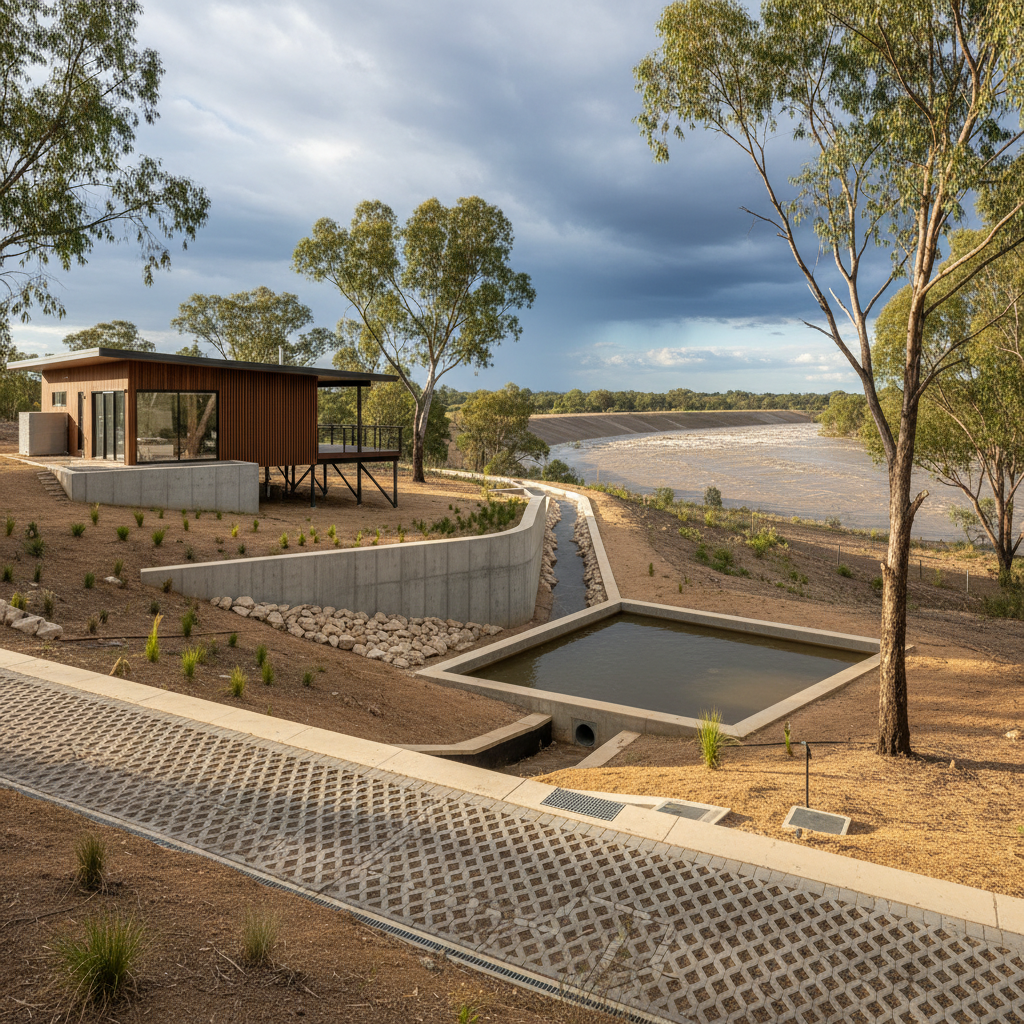
Securing Australian properties against devastating water damage and emergency flood events
- By, National Restoration Network
- 08 May, 2026
Securing Australian properties against devastating water damage and emergency flood events
Australia’s diverse climate, from tropical deluges to sudden storms and overflowing river systems, means that homes and businesses across the continent are frequently at risk from water incursions. Whether it’s a burst pipe, a leaking roof, or a full-scale natural disaster, water damage can strike unexpectedly, leaving a trail of destruction that extends far beyond visible puddles. The consequences range from immediate structural compromise and irreparable property loss to long-term health hazards like mould growth. When faced with such a crisis, swift and expert intervention is not just recommended; it is absolutely essential to mitigate harm and restore safety. Understanding the critical steps in professional National Restoration Network services and knowing when to call for help can make all the difference in protecting your property and peace of mind.
The Urgent Imperative for Emergency Water Damage Restoration
When water infiltrates a property, time becomes the most critical factor. Every minute that passes allows water to penetrate deeper into materials, saturating porous surfaces, compromising structural integrity, and creating an ideal breeding ground for mould and mildew. This is why the need for emergency water damage restoration australia cannot be overstated. An immediate response from professionals can dramatically reduce the extent of damage, minimise repair costs, and significantly shorten the restoration timeline. Ignoring or delaying action, even for a few hours, can escalate a manageable problem into a catastrophic one, leading to secondary damage that is often more costly and complex to rectify than the initial water incident.
Emergency restoration involves a rapid deployment of specialised equipment and trained personnel to assess the situation, contain the water source if possible, and begin the extraction process. This crucial first step prevents further saturation and prepares the area for drying and dehumidification. Without this prompt intervention, the moisture can wick up walls, seep into subflooring, and infiltrate hidden cavities, creating an environment ripe for microbial growth and long-term structural issues that might not be immediately apparent.
Understanding Comprehensive Water Damage Restoration in Australia
The process of proper water damage restoration australia is a multi-faceted undertaking that goes far beyond simply drying out a wet space. It requires a systematic approach guided by industry standards and tailored to the specific type and category of water damage. Professional services typically involve several key stages, each vital for a complete and lasting recovery:
Thorough Assessment and Water Source Identification
The first step involves a detailed inspection to determine the extent of the damage, identify the type of water (clean, grey, or black water), and locate the source of the water intrusion. This assessment guides the entire restoration plan, ensuring all affected areas are addressed and appropriate safety protocols are followed, especially when dealing with potentially contaminated water.
Efficient Water Extraction
Using powerful pumps and vacuums, restoration experts rapidly remove standing water from the property. This step is critical for preventing further absorption into structural materials and contents, and it significantly speeds up the drying process.
Advanced Drying and Dehumidification
After visible water is removed, hidden moisture within walls, floors, and other structural elements must be thoroughly dried. Professionals use industrial-grade air movers and dehumidifiers to circulate dry air and extract moisture from the building materials. Monitoring moisture levels with specialised equipment ensures that the drying process is complete and prevents lingering dampness that could lead to mould.
Cleaning, Sanitisation, and Deodorisation
All affected surfaces and contents are cleaned, sanitised, and deodorised to remove contaminants, prevent mould and bacterial growth, and eliminate unpleasant odours. This is particularly important for grey and black water incidents where health risks are present.
Restoration and Repairs
The final stage involves restoring the property to its pre-damage condition. This can range from minor repairs like replacing drywall or flooring to more extensive structural reconstruction, ensuring the property is safe, sound, and aesthetically restored.
Navigating Flood Restoration Australia with Expertise
Floods, whether from torrential rains, overflowing rivers, or coastal surges, present a unique and often more severe challenge than typical water damage incidents. Floodwaters are frequently contaminated with sewage, chemicals, and other hazardous materials, classifying them as "black water" incidents. This significantly elevates the health risks and complexity of the restoration process. Consequently, flood restoration australia demands an even more rigorous approach, focusing intensely on safety, decontamination, and thorough drying.
Professional flood restoration teams are equipped with personal protective equipment (PPE) and advanced sanitisation agents to safely handle contaminated materials. The process typically involves not just extraction and drying, but also the removal of severely contaminated porous materials like carpets, drywall, and insulation that cannot be safely salvaged. Comprehensive antimicrobial treatments are then applied to prevent the proliferation of bacteria and mould. The goal is not just to dry the property, but to render it safe and healthy for occupation once again, a task that requires specialised knowledge and equipment often beyond the scope of general water damage.
Finding "Water Damage Restoration Near Me": Local Expertise Matters
When an emergency strikes, proximity and rapid response are paramount. Searching for "water damage restoration near me" is often the first instinct, and for good reason. A local presence ensures that a team can arrive quickly, assess the situation, and begin mitigation efforts without delay. In Australia, where vast distances can separate communities, having access to a reliable, local restoration service, or a national network with strong local representation, is invaluable.
Beyond speed, choosing a local provider often means they have a better understanding of regional challenges, such as specific building materials common in an area, local environmental factors affecting drying times, or common types of water damage prevalent in their service region. When evaluating local options, consider factors like their response time, certifications (e.g., IICRC), experience with similar incidents, and the breadth of services they offer. A reputable provider will be transparent about their process and able to work effectively with your insurance company.
The Critical Role of Emergency Flood Cleanup Australia
Australia's susceptibility to severe weather events means that emergency flood cleanup australia is a service frequently in demand. When floodwaters recede, they leave behind not just waterlogged properties but often a thick layer of mud, debris, and contaminants. This initial cleanup phase is physically demanding and hazardous, making professional intervention essential.
Emergency flood cleanup involves the immediate removal of mud and debris, followed by thorough washing and disinfection of all salvageable surfaces. This is often done before the full drying process can begin, as removing bulk contaminants is crucial for effective sanitisation. Professional teams have the necessary equipment, such as high-pressure washers, specialised cleaning agents, and waste disposal capabilities, to efficiently and safely tackle this daunting task. Their expertise ensures that the initial cleanup is performed in a way that minimises health risks and sets the stage for a comprehensive restoration, preventing the development of mould and other secondary issues that can arise from incomplete initial cleaning.
Why Professional Restoration Services Are Indispensable
While some minor water spills might be manageable with DIY efforts, any significant water intrusion or flood event absolutely requires professional intervention. Here’s why:
Expert Assessment and Damage Mitigation
Professionals accurately assess the extent of damage, including hidden moisture, and implement strategies to prevent further deterioration.
Specialised Equipment
They possess industrial-grade extractors, air movers, dehumidifiers, and moisture detection tools that are far more effective than consumer-grade alternatives.
Mould Prevention and Remediation
Experts understand the conditions that lead to mould growth and apply targeted treatments to prevent it or safely remediate existing infestations.
Health and Safety
Dealing with contaminated water or mould poses significant health risks. Professionals adhere to strict safety protocols to protect themselves and property occupants.
Insurance Claims Assistance
Reputable restoration companies often assist with documentation and communication with insurance providers, streamlining the claims process.
Comprehensive Restoration
From initial cleanup to final repairs, professionals handle the entire restoration process, ensuring your property is returned to its pre-damage condition.
Conclusion
Water damage and floods pose a significant threat to properties across Australia, demanding immediate and expert attention. From a leaking pipe to widespread inundation, the impact can be devastating, leading to structural damage, health hazards, and significant financial loss if not addressed promptly and correctly. The importance of water damage restoration australia and flood restoration australia services cannot be overstated.
Whether you are searching for "water damage restoration near me" during an unexpected crisis or facing the aftermath of a major flood requiring emergency flood cleanup australia, partnering with certified professionals is your best course of action. Services like those offered by the National Restoration Network provide the critical expertise, advanced equipment, and rapid response capabilities necessary to effectively mitigate damage, prevent secondary issues like mould, and restore your property to a safe and healthy condition. Don't wait until the damage becomes irreversible; act swiftly and secure professional help to protect your investment and peace of mind.