
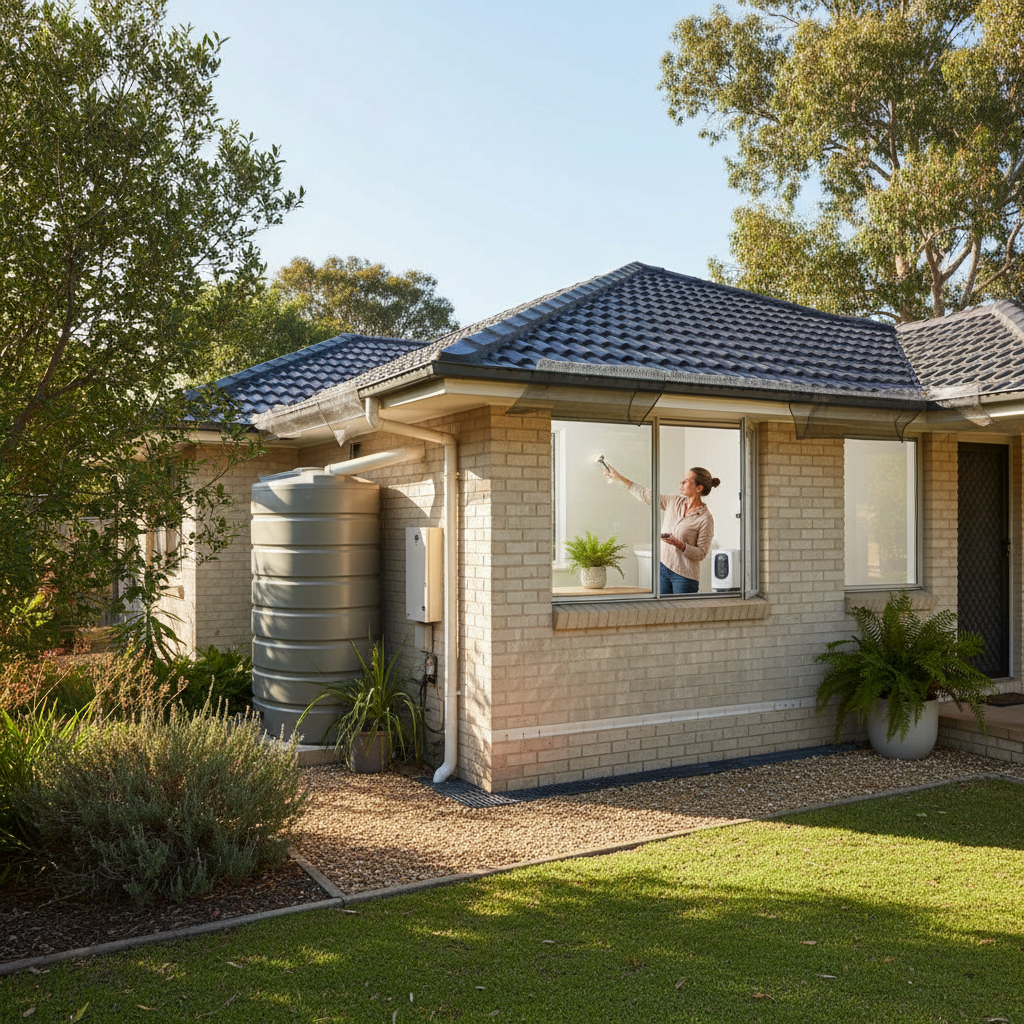
Safeguarding Australian properties from water damage and mould threats
- By, National Restoration Network
- 04 Apr, 2026
Safeguarding Australian properties from water damage and mould threats
Australia, with its diverse climate ranging from tropical north to temperate south, faces unique challenges when it comes to property maintenance and preservation. From sudden torrential downpours and devastating floods to burst pipes and persistent humidity, water damage is an unfortunately common occurrence for homes and businesses across the continent. When water invades, it brings with it not just immediate structural damage, but also the insidious threat of mould growth, compromising both property integrity and occupant health. Understanding the critical importance of swift, professional intervention for water damage and subsequent mould remediation is paramount for every property owner. This comprehensive guide explores the complexities of water damage restoration, flood recovery, and mould eradication in the Australian context, highlighting why expert assistance is not just beneficial, but essential.
The Pervasive Threat of Water Damage Across Australia
Water damage can manifest in many forms, each posing a distinct threat to your property. In Australia, common culprits range from natural disasters to everyday household accidents. Cyclones, severe thunderstorms, and flash floods are frequent occurrences, especially in northern and eastern states, causing widespread devastation that requires extensive water damage restoration Australia wide. Beyond natural events, internal issues like burst pipes, leaking roofs, overflowing appliances, and sewage backups can inflict significant damage quietly and quickly. Regardless of the source, water penetrates building materials, weakening structures, damaging electrical systems, and creating an ideal breeding ground for bacteria and mould. Immediate action is not just recommended; it is crucial to prevent minor incidents from escalating into costly, long-term problems.
Emergency Water Damage Restoration When Every Second Counts
When water damage strikes, time is of the essence. The longer water sits, the more extensive the damage becomes, increasing restoration costs and health risks. This is where emergency water damage restoration services become indispensable. Professionals offering 'water damage restoration near me' understand the urgency and are equipped to respond rapidly, often within hours of your call. Their immediate priority is to stop the water source, assess the extent of the damage, and begin the crucial process of water extraction. Utilising powerful pumps and vacuums, they remove standing water swiftly, followed by industrial-grade dehumidifiers and air movers to dry out saturated areas thoroughly. This rapid response is critical in preventing secondary damage such as swelling of timber, delamination of flooring, and the onset of mould growth.
The Critical Steps in Emergency Response
- Immediate Water Extraction: Removing standing water quickly is the first and most vital step to mitigate further damage.
- Moisture Mapping and Assessment: Using advanced tools like thermal imaging cameras, experts identify all affected areas, including hidden moisture pockets within walls and subfloors.
- Structural Drying: High-powered air movers and dehumidifiers are strategically placed to accelerate the drying process, ensuring all materials are returned to safe moisture levels.
- Sanitisation and Deodorisation: Especially important for contaminated water, affected areas are cleaned and sanitised to remove pathogens and unpleasant odours.
Navigating Flood Restoration in Australia
Flooding presents a unique and often catastrophic challenge that goes beyond typical water damage. Floodwaters can contain a cocktail of contaminants, including sewage, chemicals, and biological hazards, making flood restoration Australia a highly specialised task. The process of restoring a property after a flood is complex and requires a meticulous approach to ensure safety and thorough remediation. Professional flood restoration involves not only water removal and drying but also extensive cleaning, sanitisation, and often, reconstruction.
The Comprehensive Flood Restoration Process
- Safety First: Prioritising safety from electrical hazards, structural instability, and biological contaminants.
- Debris Removal: Clearing mud, silt, and damaged personal belongings.
- Deep Cleaning and Sanitisation: Thoroughly cleaning all salvageable surfaces with industrial-grade disinfectants to eliminate bacteria and viruses.
- Structural Drying and Dehumidification: Ensuring all structural elements are completely dry to prevent long-term damage and mould.
- Mould Prevention: Applying anti-microbial treatments to inhibit mould growth in the aftermath.
- Restoration and Repairs: Repairing or replacing damaged building materials and restoring the property to its pre-flood condition.
The Silent Threat Mould Remediation Australia Confronts
One of the most insidious consequences of water damage, particularly if not addressed promptly and thoroughly, is mould growth. Mould spores are ubiquitous in the environment, but they only flourish in the presence of moisture and an organic food source. Australian homes and businesses, especially in humid regions, are particularly susceptible. Mould can begin to grow within 24-48 hours of water exposure, spreading rapidly and posing significant health risks, including respiratory issues, allergies, skin irritation, and even more severe conditions for vulnerable individuals. Furthermore, mould can cause extensive structural damage, silently deteriorating building materials and diminishing property value.
Effective mould remediation Australia requires more than just scrubbing visible mould. It involves identifying the source of moisture, containing the affected area to prevent cross-contamination, removing mouldy materials, and thoroughly cleaning and sanitising the environment. Professional mould remediation specialists use specialised equipment like HEPA vacuums and air scrubbers to capture airborne spores, ensuring the air quality is restored to safe levels. They also provide solutions to prevent future mould growth by addressing underlying moisture issues.
Key Stages of Professional Mould Remediation
- Assessment and Inspection: Identifying the extent of mould growth and the underlying moisture source.
- Containment: Setting up physical barriers and negative air pressure to prevent spores from spreading to unaffected areas.
- Air Filtration: Using HEPA air scrubbers to capture airborne mould spores.
- Mould Removal: Safely removing mould-infested materials and thoroughly cleaning surfaces with appropriate biocides.
- Drying and Dehumidification: Ensuring the area is completely dry to prevent mould recurrence.
- HVAC Cleaning: Inspecting and cleaning heating, ventilation, and air conditioning systems if contaminated.
- Prevention: Providing recommendations for ongoing moisture control to prevent future mould growth.
Why Professional Restoration Matters for Your Australian Property
Attempting DIY water damage or mould remediation can often lead to incomplete drying, hidden moisture, and recurring problems. Professional restoration companies like National Restoration Network offer expertise, advanced equipment, and a systematic approach that ensures comprehensive and lasting solutions. They are trained to identify hidden moisture, safely handle hazardous materials, and implement industry best practices to restore your property to its pre-damage condition, or even better.
Benefits of Engaging Professional Restorers
- Expert Knowledge: Understanding water damage categories, mould types, and appropriate remediation techniques.
- Advanced Equipment: Access to industrial-grade pumps, dehumidifiers, air movers, moisture meters, and air scrubbers.
- Health and Safety Compliance: Adhering to strict safety protocols, especially when dealing with contaminated water or hazardous mould.
- Preventing Secondary Damage: Ensuring complete drying to prevent mould, structural decay, and other long-term issues.
- Insurance Claim Assistance: Providing detailed documentation and working directly with insurance companies to streamline the claims process.
Choosing the Right Partner for Your Restoration Needs
When faced with water damage or mould, selecting a reputable and experienced restoration company is crucial. Look for providers with industry certifications, a proven track record, and a commitment to rapid, comprehensive service. A reliable partner will offer 24/7 emergency response, transparent communication, and a clear understanding of the unique challenges posed by the Australian environment.
Conclusion
Water damage and mould pose significant threats to properties across Australia, from coastal homes to inland businesses. While the causes can vary, the need for prompt, professional intervention remains constant. Whether you are dealing with a burst pipe, the aftermath of a severe storm, or the insidious spread of mould, engaging experts in emergency water damage restoration, flood restoration, and mould remediation is essential. By acting quickly and choosing a trusted partner like the National Restoration Network, you can mitigate damage, protect your health, and ensure your property is thoroughly restored, providing peace of mind and safeguarding your investment against Australia's often unpredictable elements.