
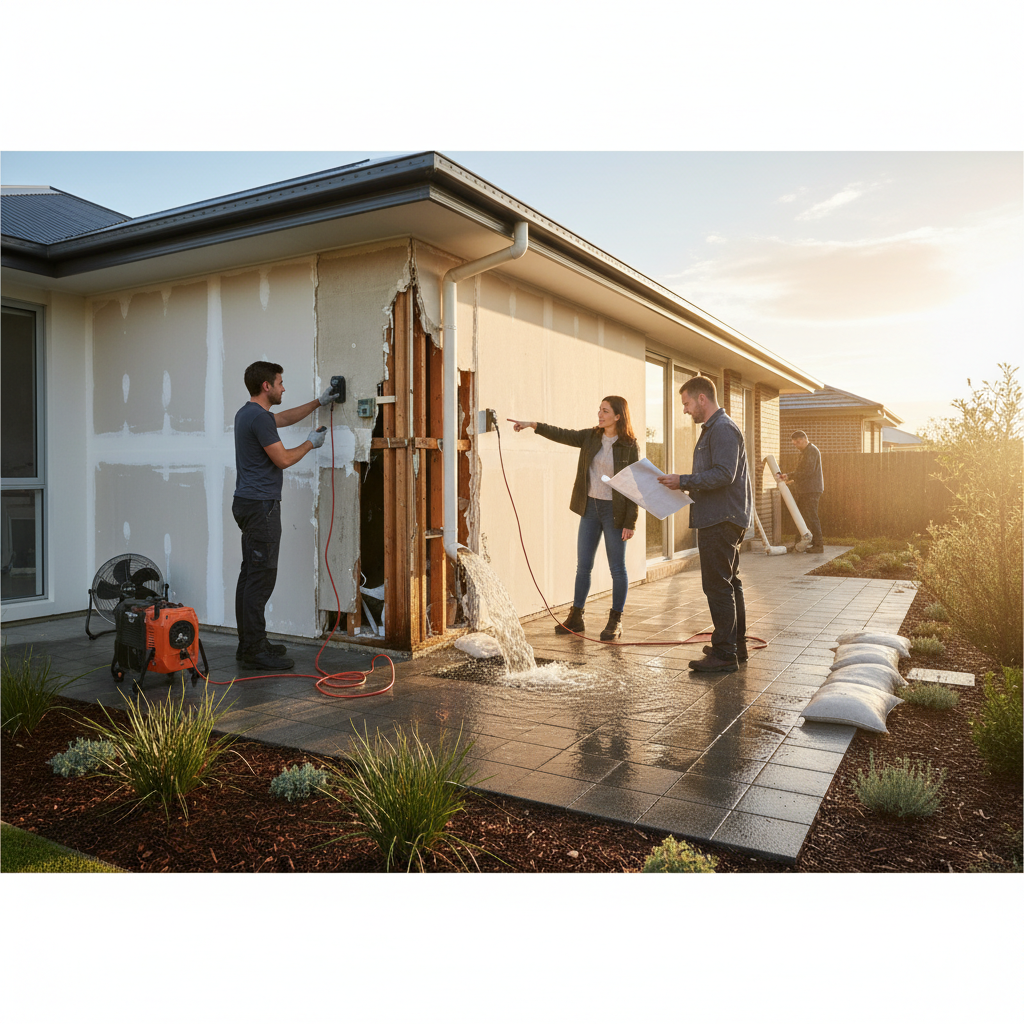
Restoring Australian Properties After Water Damage and Preventing Future Issues
- By, National Restoration Network
- 11 May, 2026
Restoring Australian Properties After Water Damage and Preventing Future Issues
Water damage is an unfortunate reality for many Australian property owners, whether caused by a sudden storm, a burst pipe, or a slow, insidious leak. The impact can range from minor inconvenience to catastrophic structural compromise, posing significant health risks and financial burdens. Understanding the urgency and the comprehensive process of professional water damage restoration is crucial for safeguarding your property and the well-being of its occupants. This article explores the vital steps involved in mitigating water damage, from emergency response to crucial mould remediation, ensuring a thorough and lasting recovery for properties across Australia.
Understanding the Urgency of Emergency Water Damage Restoration
When water intrudes into a property, time is of the essence. The longer water sits, the more extensive and severe the damage becomes. Within mere hours, water can seep into building materials, furniture, and personal belongings, leading to swelling, warping, and irreversible deterioration. More critically, stagnant water creates an ideal breeding ground for bacteria and mould, which can begin to colonise within 24 to 48 hours. This is why immediate action, often requiring emergency water damage restoration, is not just recommended but absolutely critical.
Sources of water damage vary widely, from internal plumbing failures like burst pipes, overflowing toilets, or faulty appliances, to external factors such as heavy rainfall, storm surges, or riverine floods. Each scenario presents unique challenges, with contaminated water (Category 3, or ‘black water’) from sewage or floodwaters posing immediate health hazards. Professional emergency services are equipped to respond rapidly, assessing the water source, containing the spread, and initiating the extraction process to minimise total loss and prevent secondary damage. A swift response can mean the difference between minor repairs and a complete structural overhaul, saving property owners considerable expense and stress.
The Comprehensive Process of Water Damage Restoration Australia
Effective water damage restoration is a multi-stage process that goes far beyond simply removing visible water. It requires specialised knowledge, equipment, and techniques to ensure complete drying and sanitation. For properties experiencing water damage restoration Australia, a structured approach is essential.
Initial Assessment and Damage Evaluation
The first crucial step involves a thorough assessment by certified professionals. This includes identifying the source of the water, determining the category of water (clean, grey, or black), and evaluating the extent of the damage to structural components, contents, and unseen areas. Advanced moisture detection equipment, such as thermal imaging cameras and hygrometers, is used to map moisture penetration, even behind walls and under flooring, ensuring no hidden pockets of dampness are overlooked. This initial evaluation forms the basis for a tailored restoration plan.
Water Extraction and Drying
Once the assessment is complete, the rapid removal of standing water begins. High-powered pumps and industrial-strength wet vacuums are employed to extract as much water as possible. Following extraction, the drying process commences. This involves strategic placement of commercial-grade air movers and dehumidifiers to circulate air, evaporate residual moisture from materials, and remove it from the environment. Monitoring humidity levels and moisture content in affected materials is continuous, ensuring that drying goals are met to prevent mould growth and structural weakening.
Cleaning, Sanitising, and Deodorising
After thorough drying, all affected surfaces and contents require professional cleaning and sanitisation. This step is particularly vital if the water was contaminated. Antimicrobial treatments are applied to prevent the growth of bacteria, fungi, and mould. Damaged materials that cannot be restored, such as heavily contaminated drywall or insulation, are safely removed. Finally, professional deodorisation techniques are used to eliminate any lingering musty odours, leaving the property fresh and clean.
Repairs and Restoration
The final phase involves repairing or replacing damaged structural elements and contents. This can range from minor repairs like painting and carpet re-installation to more extensive reconstruction, such as replacing drywall, flooring, or even entire sections of a roof. The goal is to return the property to its pre-damage condition, or even better, ensuring its safety, functionality, and aesthetic appeal.
Addressing Flood Restoration Australia Challenges
Australia's climate, with its cycles of drought and intense rainfall, makes flood restoration Australia a frequent and critical service. Flood damage often presents unique and heightened challenges compared to other forms of water intrusion. Floodwaters are typically classified as Category 3 (black water), meaning they are highly contaminated with pathogens, chemicals, and other hazardous substances from sewage, agricultural runoff, and industrial waste. This contamination poses severe health risks and necessitates a more rigorous and cautious restoration approach.
The sheer volume and force of floodwaters can also cause extensive structural damage, compromising foundations, walls, and roofs. Sediment and debris left behind require specialised cleaning and disposal. For these reasons, professional flood restoration services are indispensable. They possess the expertise, safety protocols, and heavy-duty equipment required to handle large-scale water extraction, decontamination, and structural drying, ensuring that properties are not only dry but also safe and habitable again.
The Critical Role of Mould Remediation Australia
One of the most insidious and damaging consequences of unresolved water damage is the growth of mould. Mould spores are ubiquitous in the environment, but they only thrive in the presence of moisture and organic material. Even after visible water has been removed, residual dampness in walls, ceilings, and flooring can trigger rapid mould proliferation. This makes mould remediation Australia an essential component of any comprehensive water damage restoration plan.
Mould not only causes unpleasant odours and unsightly stains but also poses significant health risks. Exposure to mould can trigger allergic reactions, respiratory issues, asthma attacks, skin irritation, and other health problems, particularly in vulnerable individuals such as children, the elderly, and those with compromised immune systems. Black mould, in particular, is often associated with more severe health concerns.
Professional mould remediation involves several critical steps: first, containment of the affected area to prevent spores from spreading to uncontaminated parts of the property. Next, specialised air filtration equipment, such as HEPA air scrubbers, is used to remove airborne mould spores. All mould-infested materials are safely removed and disposed of according to industry standards. Finally, the affected areas are thoroughly cleaned, disinfected, and treated with antimicrobial agents to inhibit future growth. Simply cleaning mould with household products is often ineffective and can even exacerbate the problem by releasing more spores. Professional intervention ensures complete eradication and addresses the underlying moisture issues to prevent recurrence.
Finding Reliable Water Damage Restoration Near Me
When faced with water damage, the immediate thought for many property owners is "How do I find reliable water damage restoration near me?" The answer lies in seeking out certified, experienced, and reputable service providers who understand the unique challenges of the Australian environment.
Key factors to consider when choosing a restoration company include:
- 24/7 Emergency Availability: Water damage doesn't adhere to business hours, so a company offering around-the-clock emergency response is vital.
- Certifications: Look for technicians certified by recognised industry bodies like the Institute of Inspection, Cleaning and Restoration Certification (IICRC), which ensures adherence to high standards and best practices.
- Experience and Equipment: A company with a proven track record and access to advanced drying, extraction, and mould remediation equipment will deliver more effective results.
- Insurance Liaison: Many reputable firms can assist with insurance claims, streamlining the process during a stressful time.
- Comprehensive Services: Ideally, choose a company that offers end-to-end solutions, from water extraction and drying to mould remediation and reconstruction, simplifying the restoration journey.
Choosing a local provider like the National Restoration Network ensures that help is readily available and that the team understands local building codes, environmental factors, and common regional issues, providing a tailored and efficient service.
Conclusion
Water damage, whether from a sudden emergency or a slow leak, demands swift and professional attention. From the initial urgent response of emergency water damage restoration to the meticulous process of drying, cleaning, and essential mould remediation Australia, every step is crucial for protecting property and health. Ignoring water damage can lead to escalating costs, structural integrity issues, and severe health risks from mould and bacteria. For comprehensive and reliable water damage restoration Australia, partnering with certified experts like the National Restoration Network ensures that your property receives the highest standard of care, restoring it to safety and comfort.