
Reliable Flood and Water Damage Repair for Australian Homes and Businesses
- By, National Restoration Network
- 09 May, 2026
Reliable Flood and Water Damage Repair for Australian Homes and Businesses
Australia, with its vast and varied landscapes, is no stranger to the unpredictable forces of nature. From torrential downpours and flash floods in coastal regions to burst pipes and appliance malfunctions in urban centres, water damage is a persistent threat to both residential and commercial properties. The aftermath of such incidents can be devastating, leading to structural integrity issues, mould growth, and significant financial burdens if not addressed promptly and professionally. Understanding the critical importance of swift and effective water damage restoration Australia wide is the first step in protecting your property and peace of mind.
When water intrudes where it doesn't belong, time becomes the most crucial factor. Every hour that passes can escalate the damage, turning a manageable problem into a complex and costly disaster. This guide delves into the nuances of water damage, the urgency of emergency response, and what to look for when seeking expert assistance. We will explore how professional restoration services, like those offered by the National Restoration Network, provide comprehensive solutions, ensuring your property is returned to its pre-damage condition safely and efficiently.
Understanding Water Damage in the Australian Context
Water damage isn't a singular event; it encompasses a spectrum of scenarios, each requiring a tailored approach. In Australia, the causes are diverse, ranging from natural disasters to everyday household accidents. Recognising the source and category of water is vital for effective restoration.
The Australian Climate and Common Sources
Australia's climate extremes play a significant role in the prevalence of water damage. Cyclones, severe storms, and heavy rainfall events can lead to widespread flooding, overwhelming drainage systems and inundating properties. Beyond natural phenomena, common household and commercial issues include burst pipes, leaking roofs, overflowing washing machines or dishwashers, hot water system failures, and sewage backups. Each of these scenarios introduces water into your property, but the contaminants present can vary greatly, influencing the complexity and safety protocols required for restoration.
Categories of Water Damage
Restoration professionals classify water damage into three categories based on the level of contamination:
- Category 1 (Clean Water): Originates from a sanitary source, such as a burst water pipe, overflowing sink, or appliance malfunction (like a washing machine without contaminants). While initially clean, it can quickly degrade if not addressed.
- Category 2 (Grey Water): Contains a significant level of chemical, biological, or physical contaminants. Examples include discharge from dishwashers, washing machines, toilet bowls with urine (but no faeces), or sump pump failures. This water can cause illness if ingested.
- Category 3 (Black Water): Grossly contaminated and can contain pathogenic agents. This includes sewage, floodwater from rivers or oceans, or water that has been stagnant for an extended period. Black water poses a severe health risk and requires specialised handling and thorough decontamination.
The Urgency of Emergency Water Damage Restoration
When water damage occurs, procrastination is your worst enemy. The window of opportunity to mitigate damage and prevent secondary issues is remarkably short. This is where emergency water damage restoration becomes indispensable.
Why Immediate Action Matters
Within minutes of water intrusion, damage begins. Porous materials like drywall, insulation, and wood absorb water, leading to swelling, warping, and discolouration. Within 24-48 hours, the perfect environment for mould and mildew growth is established. This fungal growth not only compromises air quality and poses health risks but also causes further structural degradation and unpleasant odours.
Beyond mould, prolonged moisture can lead to electrical hazards, weakening of structural components like floor joists and wall studs, and damage to valuable possessions, documents, and electronics. The faster professional restoration teams can begin the extraction and drying process, the greater the chance of salvaging affected items and preventing long-term, expensive repairs.
Health and Structural Risks
The health risks associated with water damage are significant. Airborne mould spores can trigger allergic reactions, respiratory problems, and other health issues, especially for individuals with pre-existing conditions. Contaminated water (Category 2 or 3) carries bacteria, viruses, and other pathogens that can cause serious illness. Structurally, prolonged water exposure can rot wood, corrode metal, and weaken foundations, potentially compromising the safety of the entire building.
The Comprehensive Water Damage Restoration Process
Professional water damage restoration is a multi-step process designed to systematically remove water, dry the property, clean and sanitise, and ultimately restore the affected areas. Expert providers follow industry-standard protocols to ensure thorough and safe recovery.
Assessment and Inspection
The first crucial step is a detailed assessment. Certified technicians use advanced moisture detection equipment, such as thermal imaging cameras and hygrometers, to pinpoint the extent of water penetration, even in hidden areas. This helps determine the water category, identify potential hazards, and develop a comprehensive restoration plan. This initial inspection is vital for accurate quoting and effective strategy formulation.
Water Extraction and Drying
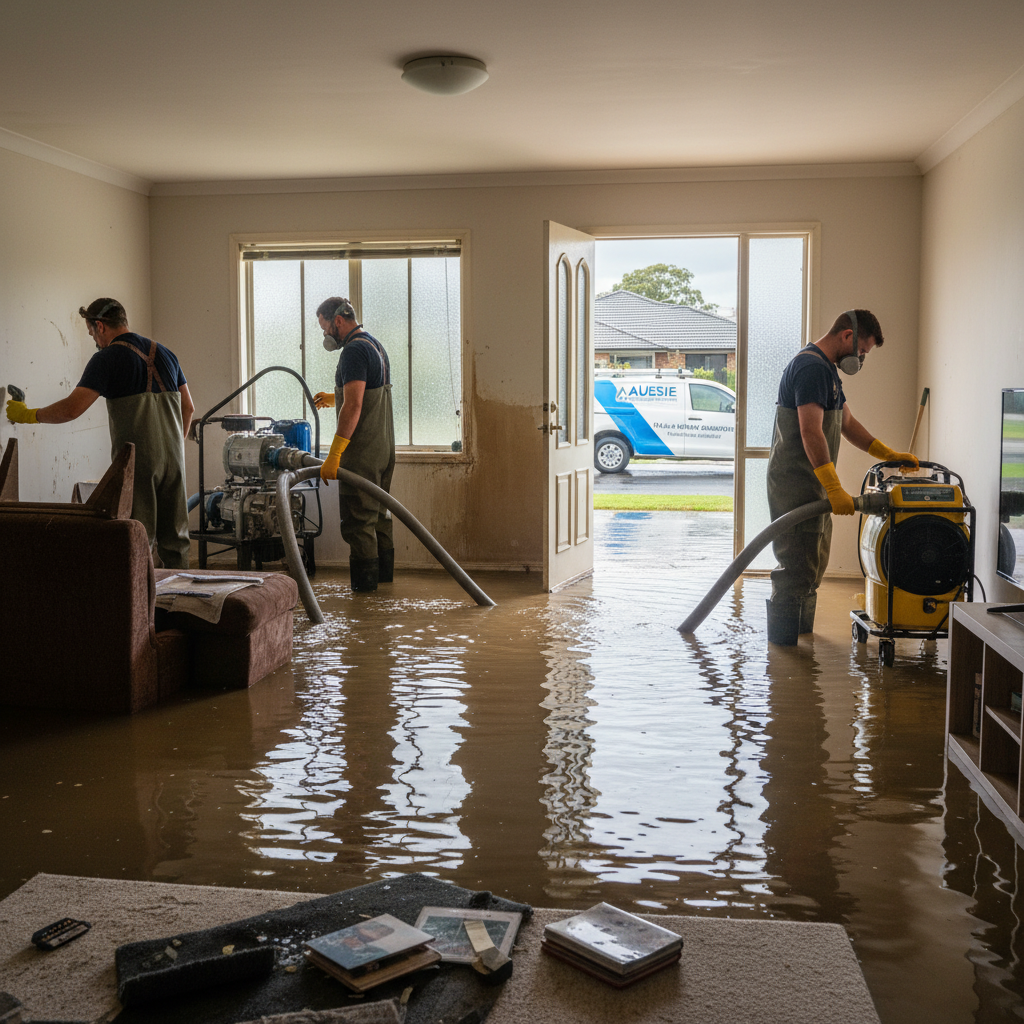
Once the assessment is complete, the rapid removal of standing water begins. High-powered pumps and industrial-strength wet vacuums are used to extract water quickly and efficiently. Following extraction, the focus shifts to thorough drying. Professional dehumidifiers, air movers, and specialised drying equipment are strategically placed to accelerate evaporation and reduce humidity levels. This critical phase prevents secondary damage like warping, cracking, and mould growth. Monitoring moisture levels regularly ensures that all areas are dried to industry-approved standards.
Cleaning, Sanitising, and Deodorising
After drying, all affected surfaces and salvageable items undergo thorough cleaning and sanitisation. This step is particularly important for Category 2 and 3 water damage, where contaminants must be neutralised. Anti-microbial treatments are applied to inhibit mould and bacterial growth. Odour removal is also a key component, as lingering damp or musty smells can indicate incomplete drying or unresolved contamination. Professional deodorisers effectively eliminate unpleasant odours, leaving the property fresh and clean.
Restoration and Repair
The final stage involves restoring the property to its pre-damage condition. This can range from minor repairs, such as replacing drywall or painting, to more extensive reconstruction, including flooring replacement, structural repairs, or rebuilding entire sections of a property. A reputable restoration company will coordinate all necessary repairs, ensuring a seamless process from initial clean-up to final touches, restoring functionality and aesthetics.
Finding "Water Damage Restoration Near Me"
When disaster strikes, the immediate thought often turns to finding local, reliable help. Searching for "water damage restoration near me" is a natural first response, but knowing what to look for in a restoration company is paramount.
Local Expertise is Key
Choosing a local service provider offers several advantages. They can respond quickly, often within hours, which is critical for emergency situations. Local teams are also familiar with regional building codes, common local challenges (like specific mould types or building materials prevalent in the area), and can navigate insurance claims more effectively with local adjusters. Their proximity ensures faster service delivery and ongoing support if needed.
What to Look for in a Restoration Company
When evaluating potential restoration companies, consider the following:
- 24/7 Emergency Service: Water damage doesn't adhere to business hours. A company offering round-the-clock emergency response is essential.
- Certified Technicians: Ensure technicians are certified by industry bodies like the Institute of Inspection, Cleaning and Restoration Certification (IICRC). This guarantees they follow best practices.
- Advanced Equipment: A professional company will utilise state-of-the-art water extraction, drying, and moisture detection equipment.
- Insurance Assistance: Reputable companies often assist with insurance claims, simplifying the process for property owners.
- Comprehensive Services: Look for a company that handles the entire process, from assessment and extraction to drying, cleaning, and full restoration.
- References and Reviews: Check customer testimonials and reviews to gauge their reputation and service quality.
Specialised Flood Restoration Australia Services
Flooding presents unique challenges that differentiate it from other forms of water damage. Flood restoration Australia services require a more intensive and specialised approach due to the higher likelihood of severe contamination and widespread structural impact.
Tackling Flood-Specific Challenges
Floodwaters, whether from overflowing rivers, storm surges, or heavy rainfall, are almost always classified as Category 3 (black water). This means they carry a hazardous mix of sewage, chemicals, pesticides, and other pollutants, posing significant health risks. Flood restoration therefore places a much greater emphasis on decontamination and sanitisation. Affected porous materials, such as carpets, drywall, and insulation, often need to be removed and disposed of to prevent the spread of contaminants and mould.
The sheer volume of water involved in flooding also necessitates more powerful extraction equipment and longer, more intensive drying processes. Structural assessments become even more critical, as floodwaters can undermine foundations, compromise electrical systems, and cause extensive damage to flooring and walls.
The Importance of Professional Flood Damage Repair Australia
Attempting DIY flood damage repair Australia is not only ineffective but also extremely dangerous due to the biohazards involved. Professional flood restoration teams are equipped with personal protective equipment (PPE), specialised cleaning agents, and advanced drying technology to safely and thoroughly address the damage. They understand the nuances of dealing with highly contaminated environments, ensuring proper disposal of materials and comprehensive sanitisation to restore a safe and habitable environment. Engaging experts for flood damage ensures compliance with health regulations and maximises the chances of a full and safe recovery for your property.
Conclusion
Water damage, whether from a burst pipe or a devastating flood, demands immediate and expert attention. The potential for long-term structural damage, hazardous mould growth, and health risks underscores the critical need for professional water damage restoration Australia wide. From the initial emergency response to the final stages of repair and reconstruction, a systematic and thorough approach is paramount.
By understanding the different categories of water damage, the urgency of quick action, and the comprehensive restoration process, property owners can make informed decisions when faced with such an unfortunate event. When searching for "water damage restoration near me" or specialised "flood restoration Australia" services, always prioritise certified, experienced, and well-equipped professionals. Companies like the National Restoration Network offer the expertise and rapid response capabilities necessary to effectively mitigate damage, protect your property, and ensure a safe, healthy environment for your home or business.