
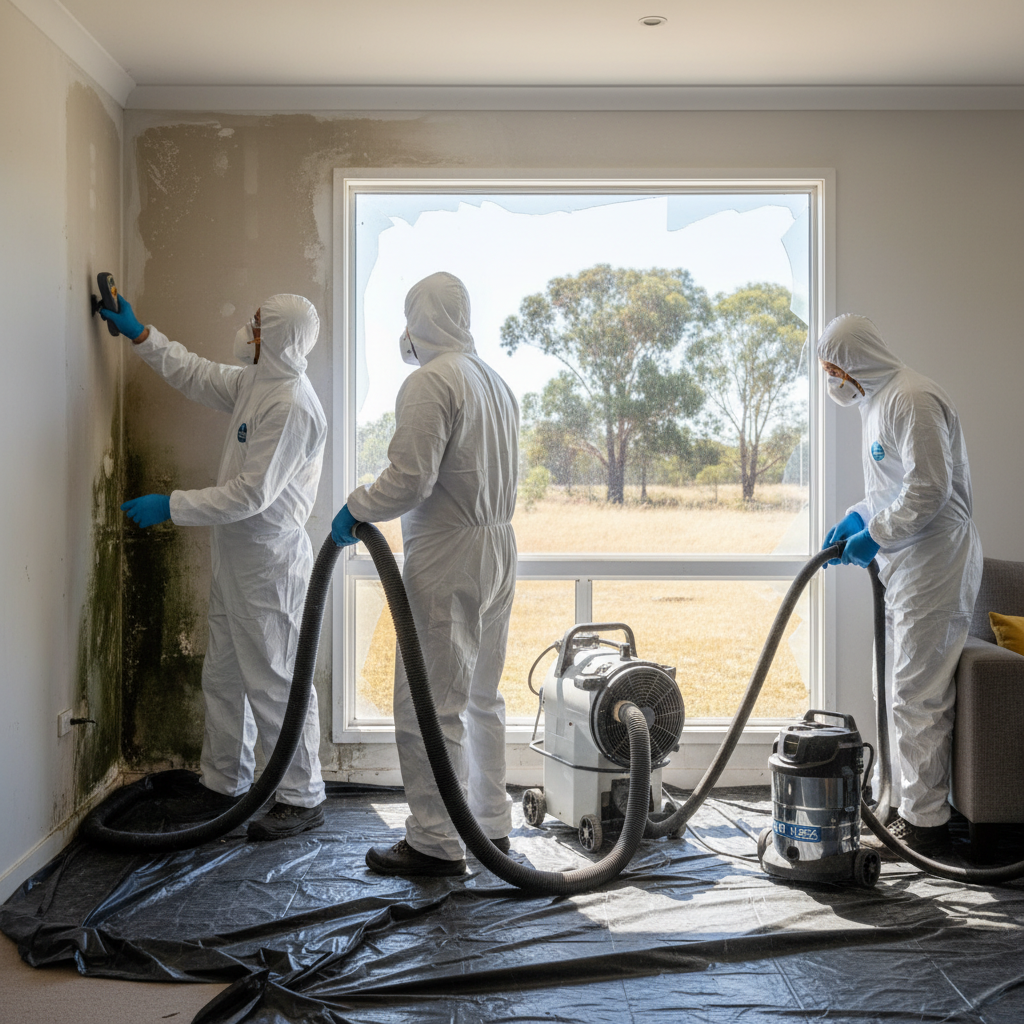
Rapid water damage and mould remediation solutions for Australian properties
- By, National Restoration Network
- 30 May, 2026
Rapid water damage and mould remediation solutions for Australian properties
Australia’s diverse climate, from humid coastal regions to areas prone to severe storms and flash floods, makes properties susceptible to the devastating effects of water damage. Whether it’s a burst pipe, an overflowing appliance, or a major weather event, water can quickly cause extensive harm to homes and businesses. Beyond the immediate structural damage, unchecked moisture creates a perfect breeding ground for mould, posing significant health risks and further compromising property integrity. Addressing these issues promptly and professionally is not just about cleaning up; it's about safeguarding your investment, ensuring a healthy environment, and preventing long-term complications. Understanding the critical steps involved in professional water damage restoration and mould remediation is paramount for any property owner facing such an unfortunate event.
Understanding the Urgency of Water Damage Restoration Australia
When water intrudes into a property, time is of the essence. The longer water sits, the more damage it inflicts. Porous materials like drywall, timber, and insulation absorb water, leading to swelling, warping, and breakdown. Within 24-48 hours, standing water can progress from a minor nuisance to a serious structural threat, creating ideal conditions for microbial growth. This rapid deterioration underscores why immediate intervention is crucial for effective water damage restoration Australia. Professional restoration services are equipped to assess the category and class of water damage, determining the appropriate methods for extraction, drying, and sanitisation. Delaying this process can significantly increase repair costs and lead to more complex problems, including irreversible structural damage and pervasive mould contamination.
When to Seek Emergency Water Damage Restoration
Certain situations demand immediate professional attention. A burst pipe flooding your living room, a severe storm causing water ingress through the roof or walls, or an overflowing hot water system can all lead to significant water damage requiring urgent care. In such scenarios, searching for "water damage restoration near me" and contacting a rapid response team is your best course of action. These professionals offer 24/7 availability because they understand that water emergencies don't adhere to business hours. Their swift arrival can prevent the spread of water, initiate the drying process, and mitigate further damage, saving you significant time, money, and stress in the long run. Immediate action helps contain the problem and prevents secondary issues from taking hold.
Navigating Flood Restoration Australia Challenges
Flood events, whether from heavy rainfall, overflowing rivers, or coastal surges, present unique and often severe challenges. Unlike a clean water leak, floodwaters are frequently contaminated with sewage, chemicals, and other hazardous materials, classifying them as black water. This necessitates a highly specialised approach to flood restoration Australia, focusing not only on drying but also on thorough decontamination and sanitisation. The scale of flooding can also be overwhelming, affecting multiple rooms or even entire properties. Professional flood restoration involves a comprehensive process that begins with a detailed assessment of the damage, followed by powerful water extraction, industrial-grade drying and dehumidification to remove all hidden moisture, and meticulous cleaning and sanitisation of all affected surfaces and contents. Specialized equipment, such as thermal imaging cameras and moisture meters, is used to detect hidden moisture pockets that could otherwise lead to long-term problems, ensuring a complete and effective restoration in varied Australian climates.
The Critical Role of Mould Remediation Australia
One of the most insidious consequences of water damage is the growth of mould. Given Australia's often warm and humid conditions, mould can proliferate rapidly in the presence of moisture, appearing within 24-48 hours after water intrusion. Beyond its unsightly appearance and musty odour, mould poses serious health risks, triggering allergies, asthma attacks, respiratory issues, and other adverse health effects, particularly in vulnerable individuals. Effective mould remediation Australia goes far beyond simple surface cleaning. It involves identifying the source of moisture, containing the affected area to prevent spore spread, safely removing mould-infested materials, and thoroughly cleaning and sanitising the environment. Professionals use HEPA vacuums, air scrubbers, and antimicrobial treatments to ensure all mould spores are eliminated and the air quality is restored to safe levels, preventing recurrence. Without professional intervention, mould can return and continue to compromise both your property and your health.
Signs You Need Professional Mould Remediation
Recognising the signs of mould growth is crucial for timely intervention. Obvious indicators include visible patches of mould on walls, ceilings, floors, or furnishings, which can appear in various colours like black, green, or white. However, mould often hides behind walls, under flooring, or in ceiling cavities, making it less apparent. A persistent musty, earthy odour, even without visible mould, is a strong indicator of hidden growth. Furthermore, if occupants experience unexplained health symptoms such as persistent coughing, sneezing, skin irritation, or difficulty breathing after a water incident, mould could be the underlying cause. In any of these situations, engaging a professional for emergency water damage restoration and mould remediation is vital to accurately diagnose the problem and implement effective solutions.
Choosing the Right Restoration Partner for Australian Conditions
When facing water damage or mould, selecting a reputable and experienced restoration partner is paramount. Look for companies that offer 24/7 emergency services, possess industry certifications (such as IICRC certification), and have a proven track record in both water damage and mould remediation. A comprehensive service provider will have the right equipment, from powerful extractors and industrial dehumidifiers to air scrubbers and thermal imaging cameras, ensuring a thorough and efficient restoration process. They should also understand the specific challenges and building standards relevant to Australian properties. A holistic approach means addressing the initial water damage, preventing secondary issues like mould, and restoring your property to its pre-damage condition, offering peace of mind during a stressful time. The National Restoration Network exemplifies this commitment to comprehensive, professional restoration, providing expert solutions across Australia.
Dealing with water damage and subsequent mould growth can be an overwhelming experience for any property owner. The complexities involved, from assessing contamination levels to executing precise drying protocols and thorough mould removal, require specialised knowledge and equipment. Attempting to manage severe water damage or mould remediation yourself can lead to incomplete drying, persistent mould issues, and potentially greater costs and health risks in the long run. Entrusting the job to certified professionals ensures that your property is restored safely, efficiently, and effectively, protecting your investment and the health of its occupants for years to come.
Conclusion
The threat of water damage and mould is a persistent concern for property owners across Australia, demanding prompt and professional attention. From unexpected leaks requiring emergency water damage restoration to large-scale flood restoration Australia, and the critical need for mould remediation Australia, swift action by experienced specialists is essential. Delaying intervention can lead to escalating damage, significant financial burdens, and serious health implications. By choosing a reputable and comprehensive restoration service, you ensure that your property is not just superficially cleaned, but thoroughly dried, decontaminated, and restored to a safe and healthy environment. For reliable and expert assistance in navigating these challenging situations, the National Restoration Network stands ready to provide professional, timely solutions for all your water damage and mould remediation needs.