
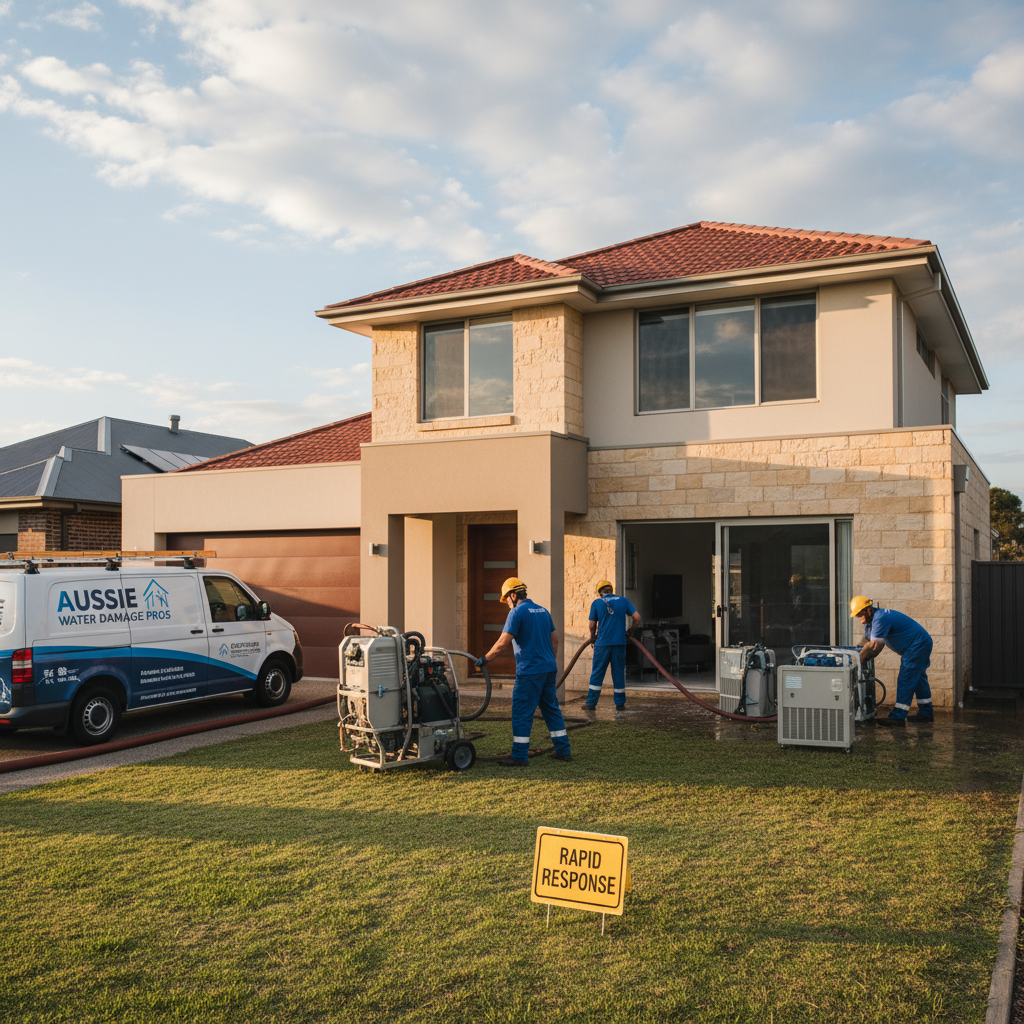
Rapid Water Damage Restoration in Australia Safeguards Your Property
- By, National Restoration Network
- 02 May, 2026
Rapid Water Damage Restoration in Australia Safeguards Your Property
Australia's diverse climate, from tropical north to temperate south, unfortunately means that property owners frequently face the challenges of water damage. Whether it's the sudden burst of an internal pipe, a leaking appliance, or the widespread devastation left by a major flood event, the impact can be swift and severe. Water damage is more than just a visible mess; it penetrates deep into structures, compromises foundations, fosters hazardous mould growth, and can lead to significant financial loss if not addressed promptly and professionally. Understanding the immediate and long-term risks, and knowing how to respond effectively, is crucial for protecting your home or business.
When water intrusion occurs, time is of the essence. The longer water sits, the greater the potential for irreversible damage, structural deterioration, and the proliferation of harmful microorganisms. This is where expert water damage restoration australia services become indispensable. Professionals are equipped with the knowledge, tools, and experience to mitigate the damage, restore affected areas, and safeguard the health and safety of occupants. From emergency water extraction to comprehensive drying and sanitisation, a systematic approach is vital for a successful recovery process across the vast and varied Australian landscape.
The Urgency of Emergency Water Damage Restoration
When unexpected water invades your property, whether from a burst pipe, a leaking roof during a storm, or an overflowing fixture, the immediate aftermath can be overwhelming. This is precisely when National Restoration Network services are not just beneficial, but absolutely critical. The clock starts ticking the moment water makes contact with your property, initiating a chain reaction of potential problems that escalate rapidly without intervention.
Within the first 24-48 hours, standing water can saturate building materials, leading to swelling, warping, and delamination of timber, plasterboard, and flooring. More critically, this moist environment becomes an ideal breeding ground for mould spores, which can begin to germinate in as little as 24 hours. Mould not only causes unpleasant odours and further structural decay but also poses serious health risks, including respiratory issues and allergic reactions, particularly for vulnerable individuals.
Emergency water damage restoration involves a rapid response team arriving on-site to assess the situation, identify the source of the water, and implement immediate mitigation strategies. This often includes stopping the water flow, securing the area, and beginning the critical process of water extraction. Powerful industrial-grade pumps and vacuums are used to remove standing water quickly, preventing further saturation of materials and reducing the overall drying time. A swift response significantly minimises the extent of damage, reduces restoration costs, and accelerates the return to a safe and healthy environment.
Understanding the Comprehensive Water Damage Restoration Process
Effective water damage restoration is a multi-faceted process that goes far beyond simply removing visible water. It requires a systematic approach to ensure all moisture is eradicated and the property is restored to its pre-damage condition. Here’s a breakdown of the key stages:
Initial Assessment and Inspection
The first step involves a thorough inspection to determine the category of water damage (e.g., clean water, grey water, black water) and the extent of saturation. Professionals use specialised moisture detection equipment, such as thermal imaging cameras and hygrometers, to locate hidden moisture within walls, floors, and ceilings. This assessment informs the entire restoration plan.
Water Extraction
Using powerful submersible pumps and industrial wet vacuums, all standing water is quickly removed. This crucial step prevents further absorption into materials, reduces drying time, and inhibits mould growth.
Drying and Dehumidification
Once visible water is extracted, the focus shifts to removing moisture from porous materials and the air. High-capacity air movers circulate air to evaporate moisture, while industrial-grade dehumidifiers draw moisture out of the air, significantly speeding up the drying process and preventing secondary damage like warping and buckling.
Cleaning, Sanitising, and Deodorising
All affected surfaces and contents are cleaned, sanitised, and disinfected to prevent bacterial and fungal growth. Depending on the water category, this might involve antimicrobial treatments. Deodorisation is also performed to eliminate any lingering musty odours associated with water damage.
Structural Drying and Monitoring
Throughout the drying process, technicians continuously monitor moisture levels in affected materials and the ambient air. Adjustments are made to equipment placement and settings to ensure optimal drying conditions are maintained until moisture content returns to normal, safe levels.
Restoration and Repairs
The final stage involves repairing or replacing damaged structural elements and contents. This can range from minor repairs like painting and carpet replacement to major reconstruction efforts, such as replacing drywall, flooring, and cabinetry. The goal is to return the property to its original or even improved state.
Finding "Water Damage Restoration Near Me" The Importance of Local Expertise
When disaster strikes, the immediate thought is often, "Who can provide water damage restoration near me?" While the vastness of Australia might make this search seem daunting, the reality is that local expertise is invaluable. A local restoration team can respond much faster, arriving on-site quickly to mitigate damage and begin the restoration process without delay. This proximity is particularly critical in emergency situations, where every hour counts in preventing further deterioration and mould growth.
Local professionals also possess a nuanced understanding of regional building codes, common construction materials in the area, and the unique environmental factors that can influence water damage and restoration in their specific community. They are familiar with local climate patterns, which can affect drying times and the risk of secondary damage. Choosing a local provider means you're not just getting a service; you're getting a team that understands the specific challenges and nuances of your immediate environment.
Furthermore, local companies often have established relationships with local insurance adjusters, which can streamline the claims process and ensure that all necessary documentation is provided promptly and accurately. While a national network offers consistency and resources, localised branches provide the immediate, tailored attention that properties require in times of crisis. When searching for assistance, prioritising qualified, certified professionals who are readily available in your vicinity can make a significant difference in the outcome of your restoration project.
Special Considerations for Flood Restoration Australia
Australia is no stranger to severe weather events, and extensive flooding can be a devastating consequence. Flood restoration Australia presents unique challenges that go beyond typical water damage scenarios. Floodwaters, particularly those from rivers, oceans, or contaminated sources, are often categorised as "black water," meaning they contain highly unsanitary agents, including sewage, chemicals, and pathogenic bacteria. This level of contamination necessitates a far more rigorous and safety-conscious approach to restoration.
The scale of damage from floods can also be immense, affecting entire communities and leading to widespread saturation of properties. This means that drying and dehumidification processes must be exceptionally thorough, often requiring more extensive equipment and longer durations. Structural integrity becomes a primary concern, as prolonged exposure to floodwaters can compromise foundations, walls, and flooring systems, requiring detailed structural assessments and potentially significant repairs or rebuilding.
Moreover, the aftermath of floods often brings an elevated risk of mould and bacterial growth due to high humidity and organic matter carried by the water. Professionals undertaking flood restoration must employ advanced antimicrobial treatments, comprehensive sanitisation protocols, and potentially discard a wider range of porous materials that cannot be safely cleaned and disinfected. The health and safety of occupants and restoration workers are paramount, requiring strict adherence to safety guidelines and the use of personal protective equipment.
The Importance of Professional Flood Damage Repair Australia
Following a major flood event, the temptation to undertake flood damage repair australia yourself might seem like a cost-saving measure. However, professional intervention is not just recommended; it's often essential for the complete and safe recovery of your property. Flood damage is inherently complex due to the nature of floodwaters, which are typically contaminated with pathogens, chemicals, and debris. Improper handling can lead to serious health risks for anyone coming into contact with the affected areas.
Professionals are equipped with the specialised training, personal protective equipment (PPE), and industrial-grade tools necessary to safely remove contaminated materials, thoroughly clean and sanitise all surfaces, and effectively dry out structures. They understand the nuances of structural drying, ensuring that hidden moisture within walls, subfloors, and insulation is completely eradicated to prevent long-term issues like mould growth, wood rot, and compromised structural integrity. Without proper drying, even seemingly dry surfaces can harbour hidden moisture that leads to ongoing problems.
Beyond the immediate cleanup, professional flood damage repair extends to managing the entire restoration project. This includes identifying and addressing potential long-term issues such as weakened foundations, compromised electrical systems, and damaged HVAC components. Experts can also assist with documentation for insurance claims, providing detailed reports and estimates that accurately reflect the scope of damage and necessary repairs. Entrusting flood damage repair to certified professionals ensures a thorough, safe, and effective restoration, protecting your property's value and the health of its occupants for years to come.
Choosing a National Network for Comprehensive Restoration Services
When facing the aftermath of water damage or a flood, the scale of the problem can often feel overwhelming. This is where the reliability and extensive resources of a national network become an invaluable asset. A company like National Restoration Network offers a significant advantage, providing consistent, high-quality service standards across diverse locations throughout Australia. This means that whether you're in a metropolitan area or a more remote regional community, you can expect the same level of professionalism, expertise, and comprehensive care.
A national network brings together a wealth of experience and resources. They have access to advanced equipment, a wider pool of certified technicians, and established best practices that ensure effective and efficient restoration. Their 24/7 availability is crucial for emergency situations, guaranteeing a rapid response when time is of the essence. Furthermore, a national presence often translates to streamlined processes, better communication, and a more robust support system for clients navigating the complexities of insurance claims and property recovery.
Concluding Thoughts on Water and Flood Damage Restoration
Water damage and flood events are among the most disruptive and potentially destructive challenges a property owner can face. The ability to respond quickly and effectively is paramount in mitigating further damage, preventing health hazards, and ensuring a complete recovery. From an unforeseen burst pipe to the widespread devastation of a major flood, the need for professional, reliable, and comprehensive restoration services cannot be overstated.
Engaging certified experts for emergency water damage restoration, thorough water extraction, meticulous drying, and comprehensive flood damage repair is an investment in the long-term integrity and safety of your property. By choosing a trusted provider like National Restoration Network, you gain access to the expertise and resources necessary to navigate these challenging situations with confidence, restoring your home or business to its pre-damage condition efficiently and effectively. Don't let water damage define your property's future; act swiftly and professionally to safeguard your investment.