
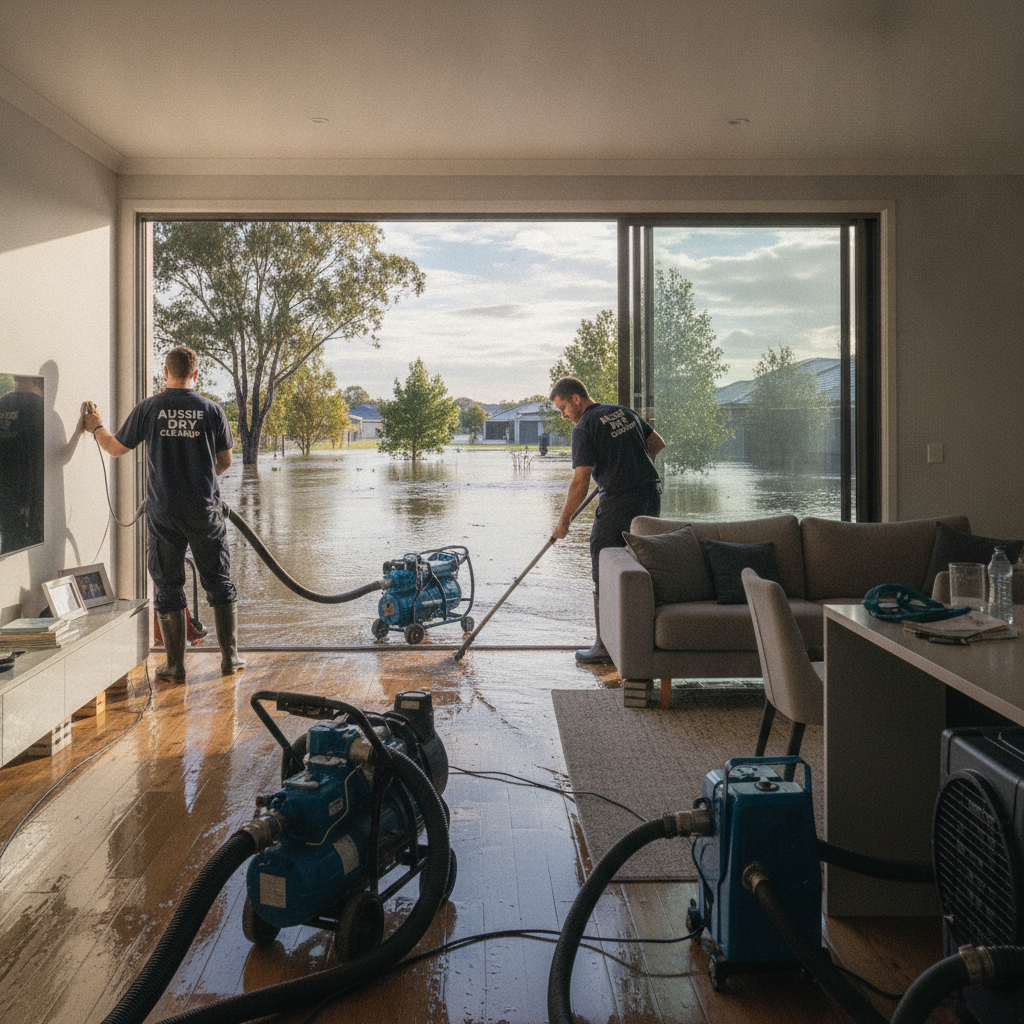
Rapid Water Damage Restoration and Flood Cleanup Across Australian Properties
- By, National Restoration Network
- 20 Jun, 2026
Rapid Water Damage Restoration and Flood Cleanup Across Australian Properties
Water damage can strike unexpectedly, turning a peaceful home or bustling business into a scene of chaos and potential devastation. Whether it's a burst pipe, a leaking appliance, a severe storm, or widespread flooding, the impact of unwanted water can be immediate and long-lasting. In Australia, a continent prone to extreme weather events, understanding and preparing for water damage is not just a precaution; it's a necessity. When disaster strikes, timely and professional intervention is paramount to mitigate loss, prevent secondary damage, and restore your property to its pre-incident condition. This comprehensive guide will explore the critical aspects of water damage and flood restoration, emphasising the urgent need for expert services across Australia, and how to find reliable assistance when you need it most.
Understanding the Scope of Water Damage in Australia
Australia's diverse climate, from arid inland regions to tropical coastlines, presents unique challenges when it comes to water damage. While some areas contend with prolonged droughts, others frequently face torrential rains, flash floods, and cyclones. These natural phenomena, coupled with common household incidents like plumbing failures or appliance malfunctions, mean that virtually any property owner can experience water damage. The severity and type of damage depend on several factors, including the source of the water, the duration of exposure, and the materials affected.
Water damage is often categorised by its source and potential health risks:
- Category 1 (Clean Water): Originates from a sanitary source and poses no immediate health threat. Examples include burst pipes, overflowing sinks, or appliance malfunctions involving tap water. If left untreated, clean water can quickly degrade to Category 2.
- Category 2 (Grey Water): Contains a significant level of chemical, physical, or biological contamination. This includes water from washing machines, dishwashers, or toilet overflows (without faeces). Grey water can cause illness if ingested and should be handled with caution.
- Category 3 (Black Water): Grossly contaminated and can contain pathogenic agents, making it a serious health risk. Sources include sewage, floodwaters from rivers or oceans, and ground surface water entering a property. Black water requires immediate and professional handling due to severe health hazards.
Regardless of the category, prolonged exposure to moisture can lead to structural damage, electrical hazards, and the rapid growth of mould and mildew, which can cause respiratory issues and further property deterioration. This is why prompt action for water damage restoration australia is always recommended.
The Critical Need for Emergency Water Damage Restoration
When water infiltrates your property, every minute counts. The longer water sits, the more extensive and costly the damage becomes. This is where emergency water damage restoration services become indispensable. Acting swiftly can mean the difference between minor repairs and a complete structural overhaul, or between a quick clean-up and a pervasive mould infestation.
Preventing Secondary Damage and Health Risks
The primary goal of emergency response is to stop the source of water, extract standing water, and begin the drying process as quickly as possible. This immediate action helps to:
- Mitigate Structural Damage: Water can weaken foundations, warp wooden structures, swell drywall, and corrode metal. Rapid drying prevents these materials from deteriorating beyond repair.
- Inhibit Mould Growth: Mould can begin to grow within 24-48 hours of water exposure. It thrives in damp environments and can spread quickly, causing health problems (allergies, asthma, respiratory issues) and further damaging property. Prompt drying is the most effective way to prevent its onset.
- Protect Valuables: Furniture, documents, electronics, and personal belongings can often be salvaged if they are dried and treated quickly.
- Eliminate Odours: Stagnant water and mould growth can produce unpleasant, persistent odours that permeate a property.
- Reduce Restoration Costs: Addressing the problem immediately minimises the scope of damage, thereby significantly reducing the overall cost of repairs and restoration.
For properties affected by large-scale incidents such as overflowing rivers or storm surges, emergency flood cleanup australia services are specifically designed to tackle the unique challenges posed by contaminated water and extensive saturation. These situations often require specialised equipment and techniques to ensure thorough decontamination and drying.
The Professional Water Damage Restoration Process
Professional water damage restoration australia follows a systematic approach to ensure every aspect of the damage is addressed, from initial assessment to final restoration. While specific steps may vary based on the extent and category of damage, the core process typically includes:
1. Emergency Contact and Assessment
The first step is contacting a professional restoration service. Upon arrival, technicians will conduct a thorough assessment to determine the source of water, the category of water, the extent of the damage, and the materials affected. They use advanced moisture detection equipment to identify hidden pockets of water.
2. Water Extraction
Using powerful pumps and vacuums, technicians will quickly remove standing water from the property. This is a crucial step, as the more water removed mechanically, the less time and energy is required for the drying phase.
3. Drying and Dehumidification
After water extraction, the focus shifts to drying the remaining moisture from structures and contents. Industrial-grade air movers and dehumidifiers are strategically placed to circulate air and extract moisture from the environment and materials. This precise process prevents warping, swelling, and mould growth.
4. Cleaning, Sanitising, and Deodorising
All affected surfaces and salvageable items are cleaned, sanitised, and deodorised to remove contaminants, prevent mould, and eliminate odours. For black water incidents, this step is particularly rigorous to ensure the property is safe and healthy for occupants.
5. Monitoring and Moisture Mapping
Throughout the drying process, technicians continuously monitor moisture levels in affected areas, using thermal imaging and moisture meters to ensure complete drying. This data-driven approach guarantees that no hidden moisture remains to cause future problems.
6. Restoration and Repairs
Once the property is thoroughly dry and sanitised, the restoration phase begins. This can range from minor repairs, such as replacing damaged drywall or flooring, to major structural rebuilds. The goal is to restore the property to its pre-damage condition, making it safe, functional, and aesthetically pleasing once more.
Finding Reliable Water Damage Restoration Near You
When an unexpected water event occurs, the immediate thought is often, "Where can I find water damage restoration near me?" The urgency of water damage means you need a local, responsive, and trustworthy service provider. While a quick online search can provide many options, it's essential to choose a company that is not only geographically close but also possesses the necessary expertise, equipment, and certifications.
Key factors to consider when selecting a restoration service:
- 24/7 Emergency Availability: Water damage doesn't adhere to business hours. A reliable service will offer round-the-clock emergency response.
- Certified Technicians: Look for companies whose technicians are certified by industry bodies like the Institute of Inspection, Cleaning and Restoration Certification (IICRC). This ensures they adhere to strict industry standards and best practices.
- Advanced Equipment: Professional restorers utilise industrial-grade equipment for water extraction, drying, dehumidification, and moisture detection, which homeowners typically don't have access to.
- Insurance Assistance: Reputable companies often have experience working with insurance providers and can help navigate the claims process, making a stressful situation a little easier.
- Comprehensive Services: Choose a provider that offers end-to-end solutions, from initial cleanup to final restoration, to avoid coordinating multiple contractors.
For consistent quality and broad coverage across the continent, a network like the National Restoration Network can provide peace of mind, connecting you with qualified local professionals who meet stringent standards. This ensures that whether you're in a major city or a regional town, expert help is within reach.
Flood Restoration Australia: Specific Challenges and Solutions
Flooding presents a unique set of challenges that often exceed those of typical internal water leaks. Floodwaters, by their very nature, are almost always Category 3 (black water), carrying a cocktail of contaminants including sewage, chemicals, and biological hazards. This means that flood restoration australia requires an even higher level of caution, expertise, and specialised equipment.
Key Considerations for Flood Cleanup:
- Safety First: Floodwaters can hide electrical hazards, sharp debris, and dangerous pathogens. Professionals prioritise safety with personal protective equipment (PPE) and careful assessment.
- Extensive Contamination: All porous materials exposed to floodwater, such as drywall, insulation, carpets, and upholstered furniture, typically need to be removed and disposed of to prevent mould and bacterial growth. Hard surfaces require thorough cleaning and disinfection.
- Structural Integrity: Prolonged saturation from floodwaters can severely compromise a building’s structural integrity. Expert assessment is crucial to determine if the foundation, walls, and subflooring are safe and can be salvaged.
- Odour Control: Flood damage often leaves behind strong, persistent odours from decay and contamination. Professional deodorisation techniques are essential for making the property habitable again.
- Drying Large Areas: Flood events typically affect larger areas and penetrate deeper into materials, requiring more extensive and longer drying times with powerful industrial-grade equipment.
Given these complexities, attempting DIY emergency flood cleanup australia is not only ineffective but potentially dangerous. Professional flood restoration services have the training, tools, and protocols to safely and effectively manage these challenging situations, ensuring your property is restored to a safe and healthy condition.
Why Choose a National Restoration Network for Water Damage
When facing the aftermath of water damage or a flood, the choice of restoration partner is critical. Opting for a reputable entity like the National Restoration Network offers significant advantages. Such networks bring together highly skilled, certified professionals from across Australia, ensuring a consistent standard of excellence and rapid response capabilities, regardless of your location. They provide a unified approach to complex problems, leveraging collective experience and resources to deliver efficient, effective, and reliable water damage restoration australia.
Benefits of a national network include:
- Widespread Coverage: Access to qualified technicians across a vast geographical area.
- Standardised Quality: Assurance that services meet rigorous industry benchmarks and best practices.
- Rapid Response: Local teams are ready to deploy swiftly for emergency water damage restoration.
- Comprehensive Solutions: From initial assessment to final repairs, all needs are met under one umbrella.
- Advanced Technology: Utilisation of the latest equipment and techniques for optimal results in flood restoration australia.
Conclusion
Water damage, whether from a leaking tap or a devastating flood, demands immediate and expert attention. The longer water sits, the greater the risk of structural damage, mould growth, and health hazards. In Australia, where environmental conditions can be unpredictable, having access to reliable and rapid water damage restoration australia services is essential for protecting your property and well-being. By understanding the restoration process and knowing how to find qualified professionals for emergency water damage restoration or emergency flood cleanup australia, you can minimise the impact of such unfortunate events. When disaster strikes, don't delay – contact a trusted professional network to ensure a swift, thorough, and effective restoration of your property.