
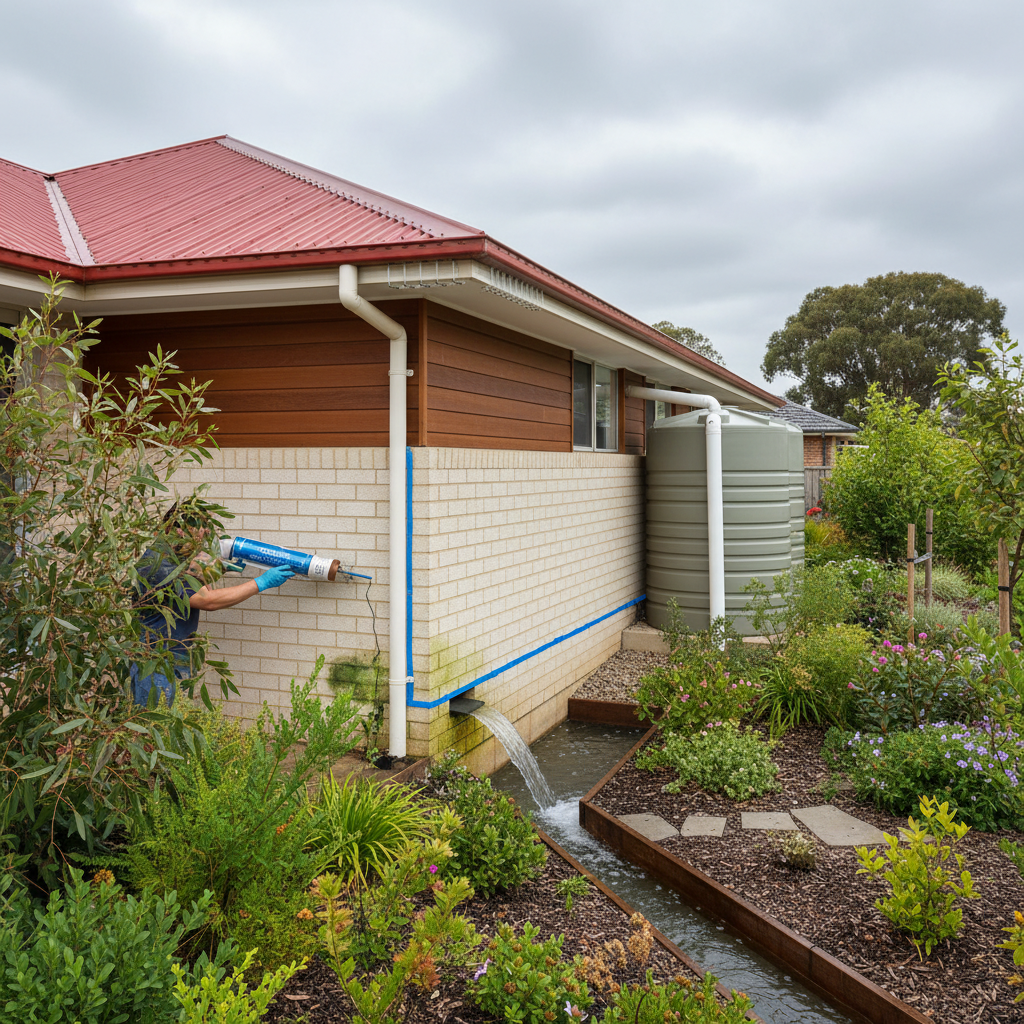
Protecting Australian Homes from Water Damage and Harmful Mould
- By, National Restoration Network
- 20 May, 2026
Protecting Australian Homes from Water Damage and Harmful Mould
Few experiences are as disruptive and disheartening for a property owner as discovering water damage. Whether it stems from a burst pipe, an overflowing appliance, a severe storm, or a widespread natural flood, water can wreak havoc on your home or business, often leading to costly repairs and potential health risks if not addressed swiftly and correctly. The immediate aftermath requires a rapid, professional response to mitigate the damage, prevent further deterioration, and safeguard the structural integrity and indoor air quality of your property. Across Australia, from the bustling cities to the remote outback, understanding the critical importance of timely and effective water damage restoration is paramount for every property owner.
Understanding the Immediate and Long-Term Threats of Water Damage
Water, while essential for life, becomes a formidable enemy when it infiltrates structures. The sources of water damage are varied and can strike without warning. Common culprits include plumbing failures such as burst pipes, leaking hot water systems, or overflowing toilets and washing machines. Environmental factors also play a significant role, with heavy rainfall leading to roof leaks, basement flooding, or stormwater inundation. Natural disasters, particularly the widespread floods that have impacted numerous regions across Australia, present some of the most challenging water damage scenarios.
The consequences of water ingress extend far beyond surface-level dampness. Immediately, water can saturate carpets, flooring, drywall, and furniture, leading to swelling, warping, and irreversible damage. Electrical systems become compromised, posing serious safety hazards. Over time, if moisture is left unchecked, the structural components of a building, including timber frames and foundations, can weaken, leading to long-term stability issues. Beyond the physical damage, a damp environment creates the perfect breeding ground for mould, a secondary threat that can emerge within 24 to 48 hours and poses significant health risks.
The Critical Need for Emergency Water Damage Restoration
When water damage strikes, time is of the essence. Every hour that passes increases the extent of the damage and the potential for secondary problems like mould growth and structural decay. This is why emergency water damage restoration is not just a convenience, but a necessity. A rapid response from a professional team can drastically reduce the overall cost of repairs and the duration of the disruption.
Emergency restoration involves several critical initial steps. Firstly, a rapid assessment helps identify the source of the water, the category of water (clean, grey, or black), and the extent of contamination. Secondly, immediate water extraction using powerful pumps and vacuums removes standing water quickly. This is crucial for preventing further absorption into materials. Finally, professional drying and dehumidification equipment is deployed to thoroughly dry affected areas and reduce humidity levels, halting the conditions favourable for mould growth. For anyone searching for "water damage restoration near me" in an emergency, finding a service that offers 24/7 availability is non-negotiable, ensuring help arrives when it's needed most, day or night.
Comprehensive Water Damage Restoration Australia Services
Effective water damage restoration Australia requires a systematic and comprehensive approach executed by certified professionals. The process typically follows a structured plan to ensure all aspects of the damage are addressed and the property is returned to its pre-loss condition.
Initial Assessment and Inspection
The first step involves a thorough inspection to determine the scope of the damage, identify the type of water, and assess potential hazards. This often includes moisture mapping using specialised equipment to detect hidden pockets of moisture within walls, floors, and ceilings.
Water Extraction
Using powerful industrial-grade pumps and wet/dry vacuums, technicians efficiently remove all standing water. This step is vital in preventing further saturation and kick-starting the drying process.
Drying and Dehumidification
Once standing water is removed, the focus shifts to drying out the remaining moisture. High-capacity air movers circulate air, while industrial dehumidifiers remove moisture from the air and materials. This precise process is monitored closely with moisture meters to ensure complete drying and prevent future issues.
Cleaning, Sanitisation, and Deodorisation
Water-damaged areas can harbour bacteria, viruses, and other contaminants, especially if the water was from a grey or black water source. Professional cleaning and sanitisation protocols are essential to eliminate these threats. Specialised deodorisers are used to remove any lingering damp or musty odours.
Restoration and Repairs
The final stage involves restoring the property to its pre-damage condition. This can range from minor repairs like replacing drywall and flooring to more extensive structural work. A reputable restoration company manages the entire process, coordinating with other trades as needed.
Special Considerations for Flood Restoration Australia
Flood damage presents a unique set of challenges that differentiate it from typical water damage. Floods, often caused by natural disasters, introduce a higher risk of contamination. Floodwaters are typically classified as Category 3 (black water), meaning they are highly unsanitary and can contain raw sewage, hazardous chemicals, and pathogenic microorganisms.
For flood restoration Australia, safety protocols are paramount. Technicians must wear appropriate personal protective equipment (PPE) to protect against exposure to contaminants. The restoration process for flood-affected properties often involves more aggressive cleaning and sanitisation techniques, including the disposal of highly porous materials that cannot be effectively decontaminated, such as carpets, upholstered furniture, and some types of drywall. Structural drying may also take longer due to the extensive saturation. Expert flood restoration services are equipped with specialised tools and expertise to handle these complex situations, ensuring the property is not only dry but also safe and healthy for re-occupancy.
The Insidious Threat of Mould and Mould Remediation Australia
Perhaps one of the most insidious consequences of unaddressed water damage is the growth of mould. Mould spores are ubiquitous in the environment, but they only thrive and multiply in the presence of moisture and an organic food source – both of which are plentiful after water damage. Mould can begin to grow within 24 to 48 hours of water intrusion, often in hidden areas like behind walls, under floors, or within ceiling cavities.
Mould not only causes structural damage and unpleasant odours, but it also poses significant health risks. Exposure to mould can trigger allergic reactions, respiratory problems, asthma attacks, skin irritation, and other health issues, particularly in vulnerable individuals such as children, the elderly, and those with compromised immune systems. This is why professional mould remediation Australia is crucial once it has taken hold.
Professional Mould Remediation Process
Attempting DIY mould removal often proves ineffective and can even spread spores, exacerbating the problem. Professional mould remediation follows a strict protocol to ensure complete eradication and prevention of recurrence:
- Containment: The affected area is sealed off using plastic sheeting and negative air pressure to prevent spores from spreading to uncontaminated parts of the property.
- Air Filtration: High-Efficiency Particulate Air (HEPA) filters and air scrubbers are used to remove airborne mould spores from the environment.
- Removal of Contaminated Materials: Porous materials heavily contaminated with mould, such as drywall, insulation, and carpets, are carefully removed and safely disposed of.
- Cleaning and Sanitisation: Non-porous surfaces are meticulously cleaned with antimicrobial agents to kill mould and prevent its return.
- Drying and Prevention: The area is thoroughly dried to eliminate any remaining moisture, and preventative measures may be applied to inhibit future growth.
Choosing the Right Restoration Partner: National Restoration Network
When faced with water damage, flood, or mould, selecting the right restoration company is paramount. You need a team that is not only highly skilled and experienced but also responsive, reliable, and equipped with the latest technology. For comprehensive and dependable services across the country, the National Restoration Network stands out as a leading provider.
What should you look for in a professional restoration partner?
- 24/7 Emergency Response: Disasters don't wait, and neither should your restoration team.
- Certified Technicians: Look for certifications from industry bodies like the Institute of Inspection, Cleaning and Restoration Certification (IICRC).
- Advanced Equipment: The right tools make a significant difference in efficiency and effectiveness.
- Comprehensive Services: From water extraction to drying, sanitisation, mould remediation, and reconstruction, a full-service provider simplifies the process.
- Insurance Liaison: A good company can assist with insurance claims, making a stressful situation a little easier.
- Proven Track Record: Look for testimonials and case studies demonstrating successful past projects.
Preventative Measures and What to Do When Disaster Strikes
While professional restoration services are vital after an incident, there are steps you can take to minimise risk and respond effectively:
- Regular Maintenance: Periodically inspect pipes, hoses, and appliances for leaks or wear. Clean gutters and downspouts regularly.
- Know Your Shut-Offs: Locate your main water shut-off valve and know how to turn it off quickly in an emergency.
- Emergency Plan: Keep a list of emergency contacts, including your insurance provider and a reputable restoration company.
If water damage occurs:
- Ensure Safety: Turn off electricity if safe to do so. Avoid entering areas with standing water if electrical hazards are present.
- Stop the Source: If possible and safe, turn off the water supply to prevent further damage.
- Document the Damage: Take photos and videos for insurance purposes.
- Contact Professionals Immediately: Do not delay. The quicker professionals like the National Restoration Network can respond, the better the outcome.
Restore Your Peace of Mind
Water damage, floods, and mould can be overwhelming, but you don't have to face them alone. By understanding the risks, knowing the importance of rapid intervention, and choosing a trusted partner for water damage restoration Australia, you can protect your property and health. Whether you require emergency water extraction, comprehensive flood restoration, or expert mould remediation, professional assistance is just a call away. Don't let water damage define your property's future; act swiftly and wisely to restore it to its pristine condition.