
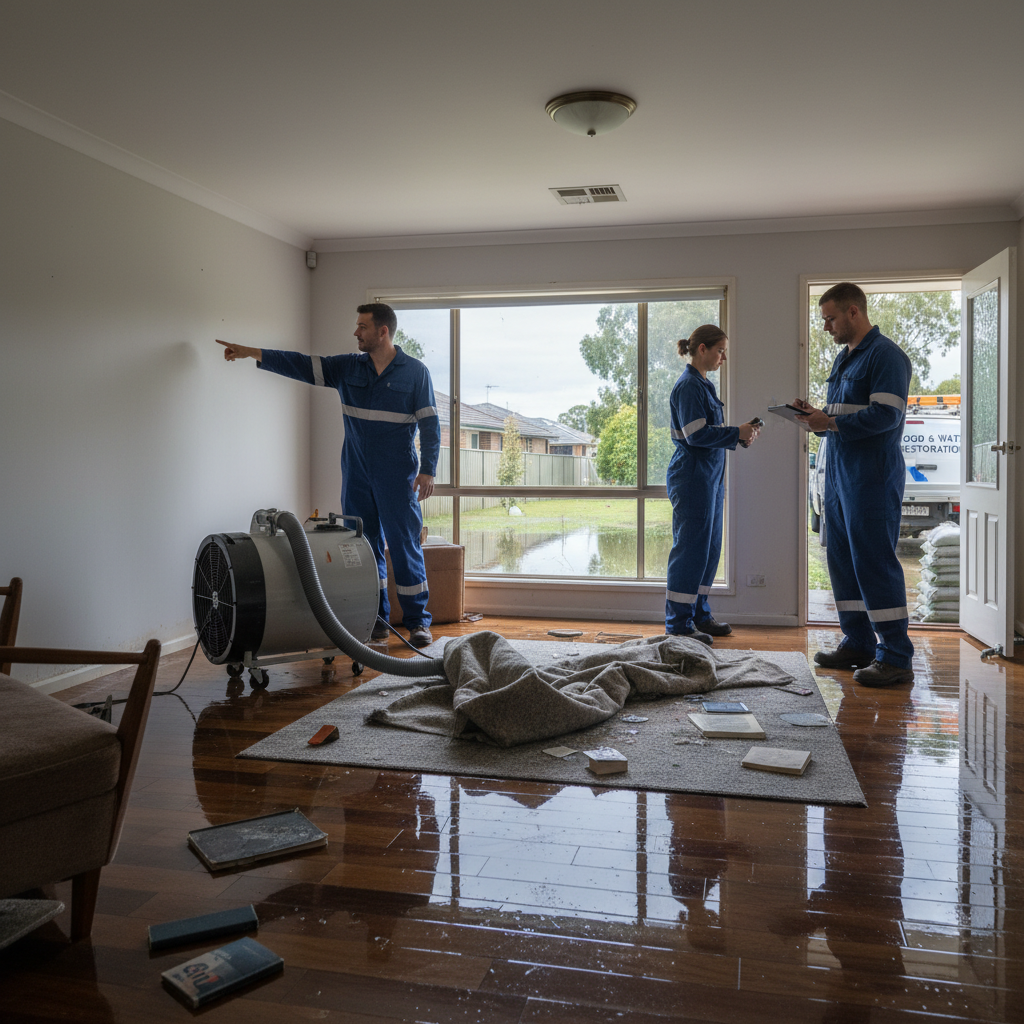
Prompt Water Damage and Flood Restoration Experts for Australian Properties
- By, National Restoration Network
- 02 Jun, 2026
Prompt Water Damage and Flood Restoration Experts for Australian Properties
Australia, with its vast landscapes and diverse climate, is no stranger to the unpredictable forces of nature. From torrential downpours and devastating floods to powerful cyclones and severe thunderstorms, properties across the continent are frequently exposed to the risk of water damage. Whether it’s a burst pipe in a suburban home, an overflowing appliance in a commercial establishment, or the widespread devastation left by a major weather event, the impact of water intrusion can be swift, severe, and incredibly disruptive. The consequences extend far beyond mere cosmetic damage, often leading to structural compromise, hazardous mould growth, and significant financial loss if not addressed promptly and professionally. Understanding the unique challenges of water damage in the Australian context and knowing where to turn for expert assistance is crucial for every property owner.
This comprehensive guide delves into the critical aspects of professional water damage and flood restoration, specifically tailored to the Australian environment. We will explore the common causes, the urgency required for effective remediation, and the specialised services available to help homes and businesses recover. From the immediate response needed for emergency situations to the intricate processes involved in full structural drying and sanitisation, you’ll gain valuable insights into protecting your property and ensuring a swift, thorough recovery when disaster strikes. Discover why engaging experienced professionals for water damage restoration Australia is not just a service, but a vital investment in your property’s future and safety.
Understanding Water Damage in Australia's Unique Climate
Australia’s geography and climate create a distinct set of circumstances when it comes to water damage. While internal issues like leaking appliances, burst pipes, or plumbing failures are common culprits everywhere, external factors often play a much larger role here. The continent experiences everything from prolonged droughts to intense periods of rainfall, often exacerbated by La Niña weather patterns. This means that properties must contend with both sudden, localised incidents and widespread, catastrophic events.
Common Causes of Water Damage Down Under
Beyond the everyday leaks, Australian properties face unique vulnerabilities. Ageing infrastructure in some areas can lead to pipe bursts, while modern construction sometimes contends with plumbing mishaps. However, the most significant threats often come from the skies and seas. Coastal regions are prone to storm surges, and inland areas can experience flash flooding from intense rain. Even seemingly minor events like blocked gutters can lead to significant water ingress during a downpour, demonstrating that vigilance is always key.
The Australian Context Flooding and Storms
When heavy rains persist, rivers overflow, and drainage systems become overwhelmed, leading to extensive flooding. This is where the need for professional flood restoration Australia becomes paramount. Floodwaters often carry contaminants, posing serious health risks and requiring thorough sanitisation. Similarly, Australia's storm season, particularly in the northern states, brings cyclones and severe thunderstorms that can cause widespread damage. High winds can tear off roofs, hail can puncture external structures, and torrential rain can then pour into unprotected interiors. This combination of forces often necessitates expert storm damage restoration Australia services to address both water infiltration and structural integrity.
The Critical Importance of Emergency Water Damage Restoration
When water damage occurs, time is of the essence. Every minute that passes increases the potential for secondary damage, escalating costs, and health risks. This is why emergency water damage restoration is not just a convenience, but a critical necessity.
Why Speed Matters
Within 24-48 hours of water exposure, mould can begin to grow, posing health risks and requiring extensive remediation. Structural materials like timber, plasterboard, and insulation can swell, warp, and weaken, compromising the integrity of your property. Furniture, electronics, and personal belongings can be permanently damaged. Swift action minimises these risks, limits the scope of damage, and ultimately reduces the overall restoration cost. Rapid water extraction and drying are key to salvaging more items and preventing irreversible harm.
The "Near Me" Factor
In an emergency, you need help immediately. Searching for "water damage restoration near me" ensures that you connect with local professionals who can respond quickly. A fast response team means less waiting time, quicker assessment, and a faster start to the restoration process. Local experts also often have a better understanding of regional building codes, typical weather patterns, and common issues specific to your area, making their service more effective and tailored.
What an Emergency Service Entails
An emergency water damage restoration service typically begins with a rapid, on-site assessment to identify the source of the water, categorise the type of water (clean, grey, or black), and evaluate the extent of the damage. This is followed by immediate water extraction using powerful pumps and vacuums to remove standing water. Once the bulk of the water is removed, the focus shifts to structural drying using industrial-grade dehumidifiers and air movers to thoroughly dry affected areas, preventing mould growth and further damage. Throughout this process, safety protocols are strictly adhered to, ensuring the well-being of occupants and restoration technicians alike.
A Comprehensive Approach to Water Damage Restoration
Effective water damage restoration involves a multi-stage process designed to return your property to its pre-damage condition. It’s a science-backed approach that goes beyond simply drying visible surfaces.
Initial Assessment and Safety
The first step is a thorough assessment by certified technicians. They identify the water source, determine the water category (which dictates the necessary sanitation protocols), and create a detailed action plan. Safety is paramount, involving power shut-offs, securing hazardous areas, and wearing appropriate personal protective equipment, especially when dealing with contaminated water.
Water Extraction and Drying
Using powerful submersible pumps and commercial-grade wet vacuums, standing water is rapidly removed. This is the most critical step to prevent water from saturating materials further. Following extraction, specialised drying equipment, including high-speed air movers and industrial dehumidifiers, is strategically placed to dry affected structures and contents. Moisture meters and thermal imaging cameras are used to monitor moisture levels, ensuring complete drying, even in hidden areas within walls and subfloors.
Dehumidification and Moisture Control
Even after visible water is removed, significant moisture can remain trapped in materials and the air. Dehumidifiers work to pull this moisture out, preventing secondary damage like warping, swelling, and mould growth. Controlling humidity levels is crucial for creating an environment unsuitable for microbial proliferation and ensuring long-term structural integrity.
Cleaning, Sanitisation, and Restoration
Depending on the water category, thorough cleaning and sanitisation are essential. This involves removing debris, cleaning salvageable items, and applying antimicrobial treatments to prevent mould and bacterial growth. For severe cases, mould remediation may be required. Finally, the restoration phase involves repairing or replacing damaged structural elements, such as plasterboard, flooring, and insulation, to bring the property back to its original state. This holistic approach ensures not just a dry property, but a safe and healthy one.
Specialised Flood and Storm Damage Restoration in Australia
When dealing with natural disasters, the scale and complexity of water damage often require a highly specialised approach, particularly for flood restoration Australia and storm damage restoration Australia.
Tackling the Aftermath of Australian Floods
Floodwaters in Australia, whether from overflowing rivers or flash floods, often contain silt, mud, sewage, and other contaminants. This makes flood restoration a biohazard cleanup operation. Professionals must safely remove contaminated materials, thoroughly clean and disinfect all affected surfaces, and manage the significant drying challenges posed by widespread saturation. The process demands expert knowledge of decontamination protocols and specialised equipment to ensure a hygienic and safe environment post-flood.
Recovering from Storm Damage
Storms, especially cyclones and severe thunderstorms prevalent in Australia, can cause a multitude of issues beyond just water ingress. High winds can lead to structural damage such as compromised roofs, shattered windows, and collapsed walls. Hail can create punctures and breaches, allowing water to enter. Storm damage restoration Australia services integrate emergency board-ups and tarping to secure the property, alongside expert water extraction and drying. They also assess and repair structural integrity, ensuring the building is safe and secure. For comprehensive assistance with storm-related issues, visiting National Restoration Network offers detailed information on their specialised services.
The Role of Expert Restoration Networks
In the face of widespread disasters, a network of restoration professionals becomes invaluable. Organisations like the National Restoration Network are equipped to handle large-scale events, deploying teams and resources quickly across affected regions. Their coordinated effort ensures that more properties receive timely assistance, facilitating a faster community-wide recovery. These networks bring together certified experts, advanced equipment, and streamlined processes to manage complex restoration projects efficiently.
Choosing the Right Water Damage Restoration Partner
Selecting the appropriate professional for water damage restoration Australia is critical for a successful outcome. It’s an investment in your property’s health and your peace of mind.
Key Qualities to Look For
When searching for "water damage restoration near me", prioritise companies with industry certifications (e.g., IICRC), demonstrating their adherence to professional standards and best practices. Look for teams that offer 24/7 emergency response, as water damage doesn't adhere to business hours. Extensive experience with Australian weather conditions and building types is also a significant advantage. A reputable firm will also be fully insured, providing peace of mind during the restoration process.
Ensuring a Seamless Process
A top-tier restoration company will provide a transparent process, from the initial assessment and detailed quote to regular progress updates. They should also be adept at liaising with insurance companies, helping to navigate the claims process and ensuring all necessary documentation is provided. Choosing a partner like the National Restoration Network ensures a comprehensive, hassle-free experience, from initial water extraction to final repairs and mould prevention. Their expertise covers all aspects of water damage, flood, and storm recovery, providing a single point of contact for complex restoration needs across Australia.
Dealing with water damage can be a stressful and overwhelming experience, but with the right professional support, your property can be fully restored. The key lies in prompt action, expert assessment, and a comprehensive approach to drying, cleaning, and repair. By understanding the unique challenges of water damage in Australia and knowing what to look for in a restoration partner, you can safeguard your property against future issues and ensure a swift, effective recovery from any water-related incident.