
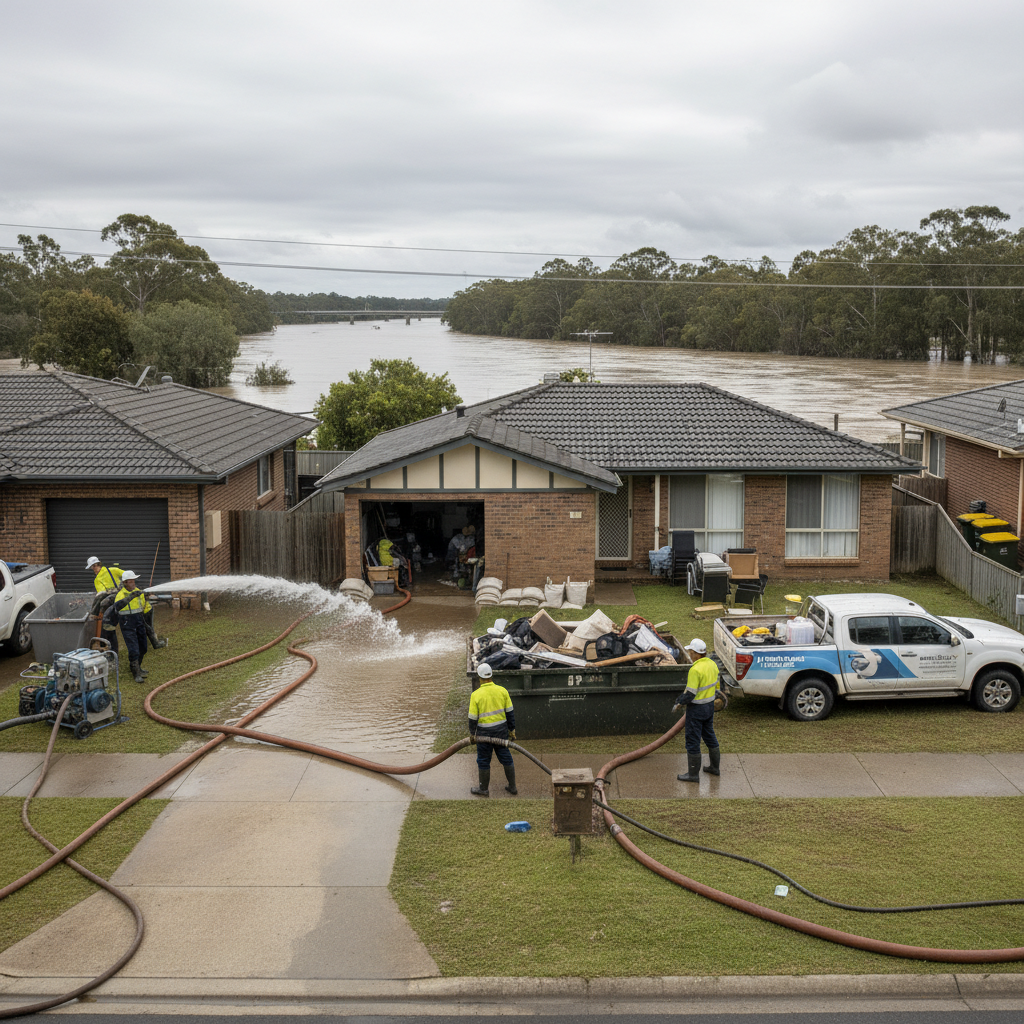
Navigating Water Damage Restoration and Flood Cleanup in Australia
- By, National Restoration Network
- 15 May, 2026
Navigating Water Damage Restoration and Flood Cleanup in Australia
Water damage, whether from a burst pipe, an overflowing appliance, or a devastating natural flood event, can strike swiftly and indiscriminately. For homeowners and businesses across Australia, the aftermath can be overwhelming, leading to significant structural damage, health hazards, and financial strain. Immediate and professional intervention is not just a recommendation; it's a critical necessity to mitigate long-term issues and restore your property safely. This comprehensive guide explores the complexities of water damage and flood restoration in the Australian context, emphasising the vital role of expert services like the National Restoration Network in safeguarding your property and peace of mind.
Understanding the Urgency of Emergency Water Damage Restoration
When water infiltrates your property, time is of the essence. Every hour that passes increases the risk of irreversible damage. This is why emergency water damage restoration is not merely a convenience but a crucial first line of defence. Within minutes, water can spread rapidly, soaking into carpets, walls, and furniture. Within hours, materials can swell, warp, and discolour. Within days, the insidious threat of mould growth begins, posing serious health risks and further compromising structural integrity.
The Australian climate, with its diverse weather patterns ranging from torrential rains and cyclones in the north to flash floods in urban centres, makes properties particularly susceptible. A rapid response from a qualified team can mean the difference between minor repairs and extensive, costly reconstruction. Professionals are equipped to assess the situation immediately, halt the source of the water if safe to do so, and begin the extraction process, thereby preventing secondary damage and significantly reducing overall restoration costs. When you search for "water damage restoration near me," you're looking for this exact level of rapid, professional response that can turn the tide in your favour.
The Comprehensive Process of Water Damage Restoration Australia
Effective water damage restoration Australia involves a multi-stage process, meticulously carried out by trained technicians. It goes far beyond simply drying out a wet area. Here’s a breakdown of the typical steps:
Initial Assessment and Inspection
The first critical step is a thorough assessment. Restoration experts will identify the source of the water, determine the category of water (clean, grey, or black, each with different contamination levels), and evaluate the extent of the damage. This includes identifying affected materials, structural components, and potential hazards. This initial phase dictates the entire restoration strategy.
Water Extraction
Using powerful industrial-grade pumps and vacuums, technicians will remove standing water quickly and efficiently. This step is paramount, as the more water extracted in liquid form, the less moisture needs to be evaporated later, speeding up the drying process and reducing the risk of mould and mildew.
Drying and Dehumidification
After extraction, the focus shifts to drying out residual moisture from porous materials and the air itself. Specialised equipment like air movers, axial fans, and commercial dehumidifiers are strategically placed to circulate air and draw moisture out of affected areas. Monitoring moisture levels in walls, floors, and other structural elements is continuous to ensure thorough drying and prevent hidden moisture pockets.
Cleaning, Sanitising, and Deodorising
Depending on the water category, cleaning and sanitisation are crucial. For grey and black water damage, disinfectants and antimicrobial treatments are applied to prevent the growth of bacteria, mould, and other harmful microorganisms. Contents are cleaned, and odours are neutralised using professional-grade products and techniques, restoring a healthy indoor environment.
Restoration and Repair
The final phase involves repairing or replacing damaged structural elements and contents. This could range from minor repairs like patching drywall and repainting to major reconstruction, such as replacing flooring, cabinetry, or even structural beams. The goal is to return your property to its pre-damage condition, or even better.
Specialised Flood Restoration Australia and Emergency Flood Cleanup
While general water damage can be severe, flood events present unique and often more challenging circumstances. Flood restoration Australia requires an even higher level of expertise due to the nature of floodwaters. Floodwaters are typically category 3 (black water), meaning they are highly contaminated with sewage, chemicals, and other hazardous substances. This significantly elevates the health risks and necessitates stringent safety protocols during cleanup.
When an emergency flood cleanup Australia is needed, the scope of work often expands to include extensive debris removal, meticulous sanitisation of all affected surfaces, and often, the removal and disposal of highly contaminated porous materials like carpets, drywall, and insulation that cannot be safely restored. Structural drying becomes even more critical due to the sheer volume of water involved, and comprehensive moisture mapping is essential to ensure no hidden moisture remains to foster future problems.
The National Restoration Network understands these distinctions, deploying teams specially trained in flood recovery. They possess the necessary personal protective equipment (PPE), advanced drying technologies, and decontamination procedures to handle even the most severe flood damage safely and effectively, minimising health risks for occupants and ensuring a thorough restoration.
Why Professional Restoration is Indispensable
Attempting to handle significant water damage or flood cleanup yourself can be dangerous, ineffective, and ultimately more costly. Professional restoration services offer several key advantages:
- Expertise and Experience: Certified technicians have the knowledge to correctly identify water categories, assess damage, and implement the most effective restoration strategies. They understand the science of drying and mould remediation.
- Specialised Equipment: Professionals utilise industrial-grade equipment – from powerful extractors and high-capacity dehumidifiers to thermal imaging cameras and moisture meters – that is far superior to standard consumer tools.
- Safety First: Dealing with contaminated water and structural instability poses significant health and safety risks. Professionals are trained to work safely, adhering to industry standards and regulations, protecting both themselves and property occupants.
- Mould Prevention and Remediation: Preventing mould is a primary concern. If mould has already begun to grow, professionals have the expertise and equipment for safe and effective mould remediation, preventing its spread and recurrence.
- Insurance Claim Assistance: A reputable restoration company can help document the damage, provide detailed reports, and communicate directly with your insurance provider, streamlining the claims process and ensuring you receive the coverage you're entitled to.
- Faster Recovery: With efficient processes and powerful equipment, professionals can restore your property much faster than DIY attempts, allowing you to return to normalcy sooner.
Finding "Water Damage Restoration Near Me" Across Australia
The vastness of Australia means that while a local response is critical, the backing of a national network is invaluable. When you search for "water damage restoration near me," you're looking for a service that combines immediate local availability with the resources and standards of a large, experienced organisation. The National Restoration Network is designed precisely for this purpose. With a presence across Australia, they ensure that expert help is always within reach, regardless of your location. Their network of certified professionals means that whether you're in a major metropolitan area or a regional town, you can access consistent, high-quality emergency water damage and flood restoration services.
Concluding Thoughts on Protecting Your Property
Water damage and flood events are unpredictable and can be devastating. However, with the right response, the impact can be significantly minimised. The key to successful recovery lies in immediate action and engaging professional water damage restoration Australia experts. From emergency water damage restoration to comprehensive flood restoration Australia, a professional team can navigate the complexities, mitigate risks, and restore your property efficiently and safely.
Do not underestimate the power of swift, expert intervention. If your property has been affected by water, contact the National Restoration Network immediately. Their dedicated teams are ready 24/7 to provide the urgent, professional assistance you need to get your life back on track.