
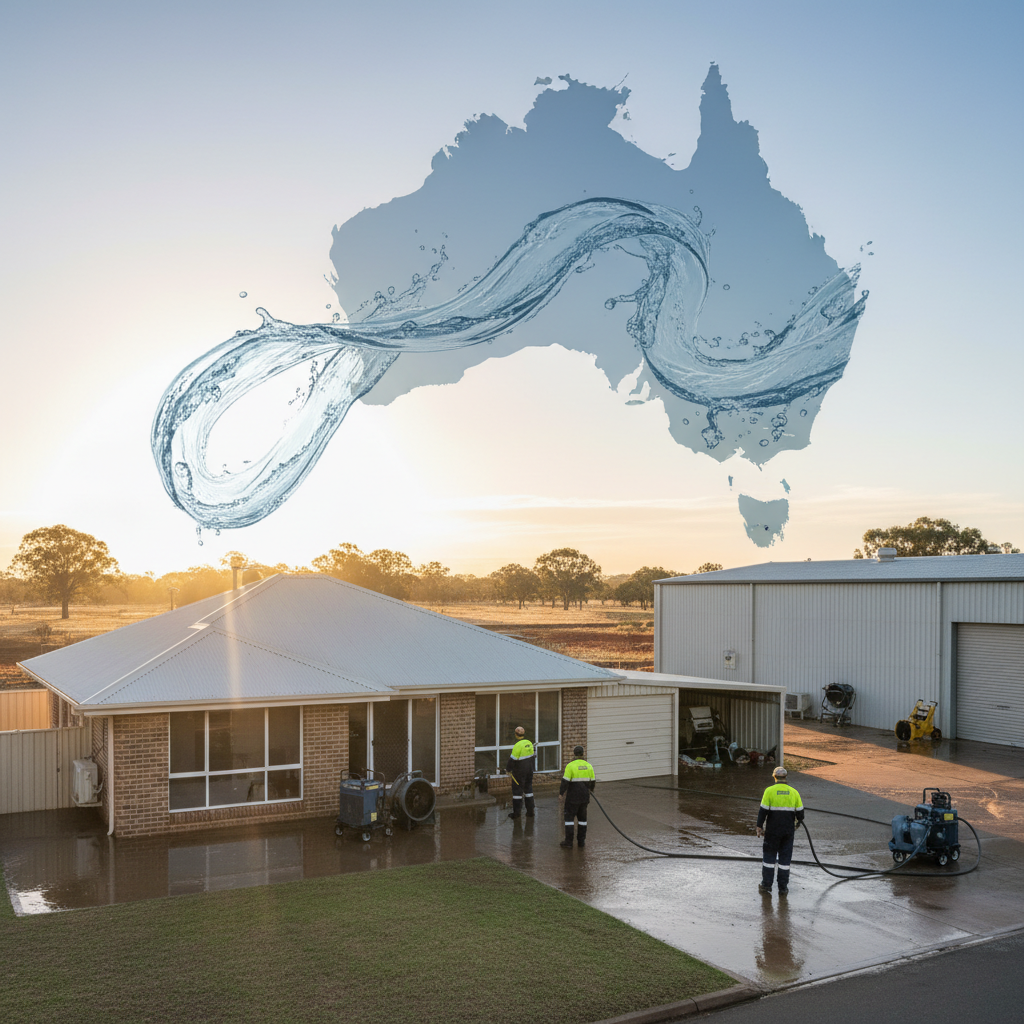
Expert Water Damage Restoration Services Across Australia Protecting Homes and Businesses
- By, National Restoration Network
- 08 May, 2026
Expert Water Damage Restoration Services Across Australia Protecting Homes and Businesses
Water damage is a pervasive and often devastating problem faced by homeowners and businesses across Australia. From sudden burst pipes and appliance overflows to severe weather events like floods and storms, the destructive potential of water cannot be underestimated. When water infiltrates a property, it doesn't just create a mess; it initiates a rapid chain of events that can compromise structural integrity, foster hazardous mould growth, and destroy personal belongings. Swift and professional intervention is not merely a convenience, but an absolute necessity to mitigate damage, protect health, and restore properties to their pre-loss condition. Understanding the nuances of water damage, the urgency of emergency response, and the comprehensive process of restoration is crucial for anyone living or operating a business in Australia.
The Urgent Need for Water Damage Restoration in Australia
Australia's diverse climate, while beautiful, presents significant challenges regarding water damage. Coastal regions are prone to storm surges and heavy rainfall, while inland areas can experience flash flooding. Beyond natural disasters, everyday incidents like plumbing failures, overflowing washing machines, or leaking roofs are common culprits. Unaddressed water can quickly lead to irreversible damage. Within hours, porous materials like drywall, timber, and insulation begin to swell and deteriorate. Within 24-48 hours, the risk of mould and mildew growth skyrockets, posing serious health risks to occupants and causing further structural decay. The longer water sits, the more extensive and costly the restoration becomes, making timely professional water damage restoration Australia an indispensable service.
Understanding Different Types of Water Damage and Their Impact
Not all water damage is created equal. Professionals categorise water based on its contamination level, which dictates the restoration approach and safety precautions required.
Category 1 Clean Water Damage
This category involves water that originates from a sanitary source, such as a burst pipe, overflowing sink, or appliance malfunction (e.g., washing machine, dishwasher). While initially clean, it can quickly become contaminated if left untreated, especially when it comes into contact with building materials and surfaces.
Category 2 Grey Water Damage
Grey water contains a significant level of chemical, physical, or biological contamination. Examples include water from a toilet bowl with urine (no faeces), sump pump failures, or discharge from washing machines and dishwashers. This water can cause illness if ingested and requires prompt removal and thorough cleaning.
Category 3 Black Water Damage
This is the most dangerous category, involving highly contaminated water that could contain pathogenic agents from sewage, floodwaters, or toilet backflows with faeces. Black water poses severe health risks and requires specialised handling, immediate containment, and extensive decontamination by trained professionals. This is particularly relevant for flood restoration Australia scenarios.
Why Immediate Action Matters for Emergency Water Damage Restoration
When water damage occurs, every minute counts. The window to prevent escalating damage, particularly mould growth and structural compromise, is often as short as 24 to 48 hours. This is why emergency water damage restoration services are vital. A rapid response team can arrive on-site quickly, assess the situation, and immediately begin the critical first steps of water extraction and drying. Delaying this process can transform a manageable clean water issue into a hazardous black water problem, leading to exponentially higher repair costs, prolonged displacement, and potential health complications for residents or employees. Emergency services are equipped with industrial-grade pumps and drying equipment to rapidly remove standing water and begin the dehumidification process.
Navigating Flood and Storm Damage Restoration in Australia
Australia is no stranger to severe weather events, with floods and storms regularly impacting communities. Flood restoration Australia presents unique challenges, as floodwaters are typically Category 3 black water, heavily contaminated with sewage, chemicals, and debris. This necessitates a highly specialised approach to ensure thorough sanitisation and safety. Similarly, storm damage restoration Australia often involves not only water intrusion but also structural damage from high winds, fallen trees, and flying debris. Restoring properties after a storm requires a comprehensive strategy that addresses both the immediate water damage and any structural repairs needed. Professionals are adept at navigating these complex scenarios, ensuring all aspects of the damage are identified and remediated safely and effectively.
The Comprehensive Process of Professional Water Damage Restoration
Professional water damage restoration follows a systematic approach designed to thoroughly dry, clean, and restore your property.
Rapid Assessment and Damage Categorisation
The first step involves a thorough inspection to determine the source of the water, the extent of the damage, and the category of water involved. This assessment guides the entire restoration plan.
Water Extraction and Dehumidification
High-powered pumps and wet vacuums are used to remove standing water. Following extraction, industrial-strength dehumidifiers and air movers are strategically placed to dry out saturated materials and reduce humidity levels, preventing secondary damage like warping and mould growth.
Cleaning, Sanitising, and Deodorising
All affected areas are meticulously cleaned, sanitised, and disinfected, especially in cases of grey or black water. Odour removal treatments are also applied to eliminate any lingering musty smells associated with water damage.
Structural Drying and Moisture Monitoring
Specialised moisture meters and thermal imaging cameras are used to detect hidden moisture within walls, floors, and ceilings. This ensures all areas are thoroughly dried, preventing long-term issues. The drying process is continuously monitored and adjusted.
Restoration and Repair
Once the property is completely dry and sanitised, the final stage involves repairing or replacing damaged structural elements, such as drywall, flooring, and insulation. This brings your property back to its pre-loss condition, or even better.
Finding Reliable Water Damage Restoration Near You
When disaster strikes, you need a reliable team that can respond quickly and efficiently. Searching for "water damage restoration near me" is often the first instinct, and for good reason. A local restoration company can offer a faster response time, which is critical in mitigating damage. However, proximity alone isn't enough. It's essential to choose a service provider that is not only local but also reputable, certified, and experienced in handling the specific type of water damage you're facing. Look for companies that offer 24/7 emergency services, have certified technicians, and are transparent about their processes and pricing. For comprehensive and reliable water damage restoration Australia wide, a trusted network of professionals is often the best choice.
Choosing the Right Partner for Restoration Services
Selecting the right restoration partner can make a significant difference in the outcome of your water damage event. Key factors to consider include:
- 24/7 Availability: Water damage doesn't adhere to business hours, so your restoration partner shouldn't either.
- Certified Technicians: Ensure the team holds certifications from recognised industry bodies like the IICRC (Institute of Inspection, Cleaning and Restoration Certification).
- Advanced Equipment: A professional company invests in state-of-the-art water extraction, drying, and moisture detection equipment.
- Insurance Liaison: A good restoration company will assist you with the insurance claims process, making a stressful situation a little easier.
- Comprehensive Service: From initial assessment to final repairs, they should offer a full suite of services.
For Australians facing the aftermath of water damage, seeking a trusted and experienced provider is paramount. Companies like National Restoration Network offer extensive experience and a commitment to quality, ensuring properties are restored efficiently and effectively. Their expertise covers all aspects of water, storm, and flood damage, providing peace of mind during challenging times.
Dealing with water damage can be overwhelming, but with the right professional help, your property can be fully restored. Acting quickly, understanding the nature of the damage, and partnering with experienced restoration specialists are the most crucial steps to safeguard your property and health. Don't let water damage escalate; reach out to a professional like National Restoration Network at the first sign of trouble to ensure a swift and effective recovery.