
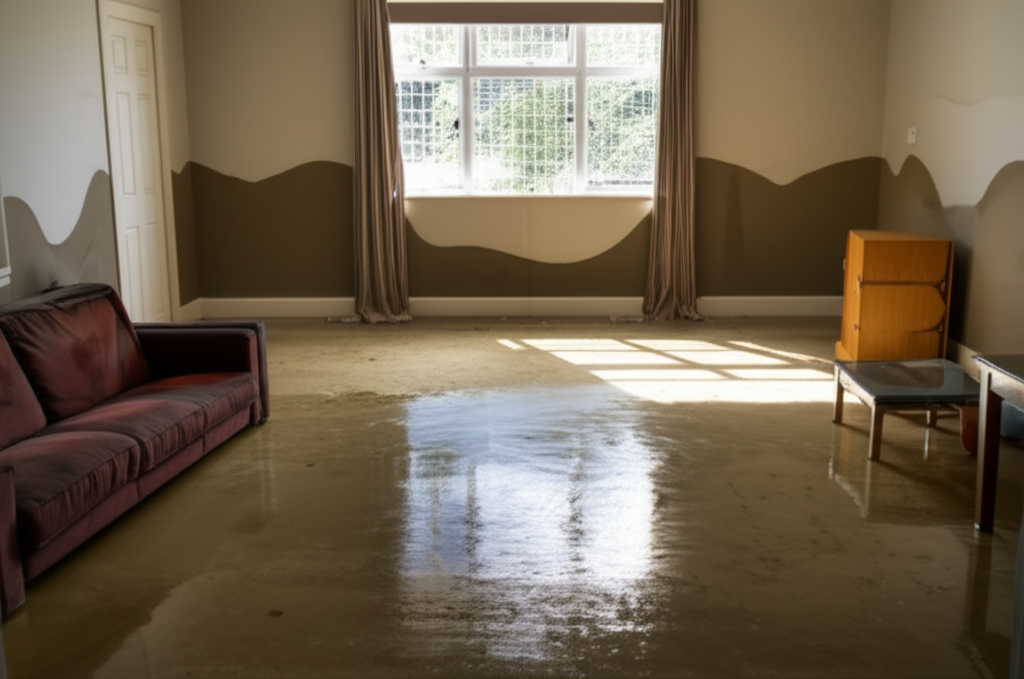
Expert Water Damage Restoration Across Australia
- By, National Restoration Network
- 27 Feb, 2026
Expert Water Damage Restoration Across Australia
Water damage is an insidious threat that can strike any property at any time, leaving a trail of destruction, health hazards, and significant financial burdens. From a burst pipe under the sink to the devastating aftermath of a major flood or storm, the impact can be immediate and long-lasting. In a country as vast and climatically diverse as Australia, understanding the nuances of water damage and knowing how to respond effectively is not just beneficial – it's crucial. This comprehensive guide will delve into the critical aspects of professional water damage restoration Australia, highlighting the urgency of expert intervention and what to look for when disaster strikes.
Understanding Water Damage in Australia's Unique Climate
Australia's environment presents a unique set of challenges when it comes to water damage. Our continent experiences everything from prolonged droughts to sudden, intense rainfall, tropical cyclones, and widespread flooding. This means properties are constantly at risk from various sources:
- Natural Disasters: Cyclones in the north, flash floods in urban and regional areas, and severe thunderstorms across the country frequently lead to overwhelming water intrusion.
- Plumbing Failures: Burst pipes, overflowing toilets, leaking water heaters, and faulty appliances (dishwashers, washing machines) are common culprits, often causing damage that goes unnoticed until it's significant.
- Structural Issues: Leaky roofs, compromised foundations, and inadequate drainage can allow rainwater to penetrate a property, leading to slow but persistent damage.
- Sewage Backups: A particularly hazardous form of water damage, sewage backups introduce serious health risks due to contaminants.
Regardless of the source, water damage requires immediate attention. The longer water sits, the greater the potential for structural compromise, the growth of mould and mildew, and the destruction of personal belongings. This is where professional water damage restoration Australia services become indispensable, offering rapid, effective solutions tailored to the specific challenges faced by Australian homeowners and businesses.
The Urgency of Emergency Water Damage Restoration
When water damage occurs, time is of the essence. The difference between minor damage and a catastrophic loss often hinges on the speed of the response. This is why emergency water damage restoration services are so vital. Within the first 24-48 hours, standing water can rapidly transform from an inconvenience into a serious threat:
- Structural Degradation: Water saturates building materials like drywall, timber, and insulation, causing them to swell, warp, and weaken. This can compromise the structural integrity of your property.
- Mould Growth: Given the right conditions (moisture, warmth, organic material), mould can begin to grow within 24-48 hours. Mould not only causes unpleasant odours and further property damage but also poses significant health risks, especially for individuals with allergies or respiratory conditions.
- Electrical Hazards: Water near electrical outlets, wiring, or appliances creates a severe risk of electrocution and fire.
- Contamination: Depending on the water source (e.g., floodwaters, sewage), the property can become contaminated with bacteria, viruses, and other pathogens, making it unsafe for occupation.
- Personal Property Loss: Furniture, documents, electronics, and sentimental items can be irreparably damaged if not dried and treated promptly.
An emergency response team can arrive quickly, assess the situation, and begin the critical process of water extraction and mitigation, minimising the spread of damage and setting the stage for a successful restoration.
What to Expect from Professional Water Damage Restoration
Professional water damage restoration is a multi-stage process designed to return your property to its pre-damage condition safely and efficiently. While every situation is unique, the core steps remain consistent:
Initial Assessment and Damage Classification
Upon arrival, certified technicians will conduct a thorough assessment of the damage. This involves identifying the source of the water, stopping it if safe to do so, and classifying the water into one of three categories:
- Category 1 (Clean Water): From a burst pipe, overflowing sink, etc. Poses no immediate health threat.
- Category 2 (Grey Water): Contains some contaminants (e.g., washing machine overflow, toilet bowl water with urine). Can cause illness if ingested.
- Category 3 (Black Water): Highly contaminated (e.g., sewage backup, floodwaters). Poses severe health risks.
Water Extraction and Drying
The first critical step is to remove all standing water. High-powered pumps and industrial-strength wet vacuums are used to extract water from carpets, subflooring, and other affected areas. Following extraction, the drying process begins. This involves strategic placement of air movers and dehumidifiers to remove residual moisture from the air and building materials, preventing secondary damage like warping and mould growth. Moisture meters and thermal imaging cameras are used to monitor humidity levels and ensure all hidden moisture is detected and addressed.
Dehumidification and Moisture Control
Simply removing visible water isn't enough. Lingering humidity and moisture trapped within walls, floors, and structural elements can lead to long-term problems. Professional dehumidifiers draw moisture from the air, while specialised drying equipment targets specific areas. Continuous monitoring ensures that relative humidity levels are brought back to normal, creating an environment unsuitable for mould and bacteria.
Cleaning, Sanitizing, and Deodorizing
Depending on the water category, thorough cleaning and sanitization are paramount. Contaminated materials may need to be safely removed and disposed of. All salvageable items and surfaces are cleaned, disinfected, and deodorized using professional-grade products. This step is crucial for eliminating odours, preventing mould, and ensuring the property is safe and healthy for re-occupation.
Restoration and Repairs
Once the property is dry, clean, and sanitised, the final stage involves repairing or rebuilding damaged sections. This can range from minor repairs like replacing drywall or insulation to major structural work, re-flooring, and painting. The goal is to restore your property to its pre-damage condition, making it safe, functional, and aesthetically pleasing once again.
Specialised Restoration: Floods and Storms in Australia
Australia's vulnerability to extreme weather events means that flood restoration Australia and storm damage restoration Australia are critical services. These types of water damage often present unique challenges:
- Flood Restoration: Floodwaters are typically Category 3 (black water), meaning they are heavily contaminated with sewage, chemicals, and other hazardous materials. This necessitates rigorous safety protocols, extensive sanitization, and often the removal of porous materials that cannot be safely cleaned. Flood restoration also frequently involves large-scale water extraction and drying due to the sheer volume of water involved.
- Storm Damage Restoration: Storms can cause damage through direct water ingress (e.g., leaking roofs, broken windows) and secondary issues like fallen trees, structural compromise, and widespread debris. Storm damage restoration Australia often requires a multi-faceted approach, combining water removal with structural repairs, debris clearance, and sometimes even temporary boarding up to secure the property. The scope can be extensive, requiring coordination of various trades.
Specialised restoration companies have the expertise, equipment, and trained personnel to handle the complexities of these large-scale and often hazardous situations, ensuring a comprehensive and safe recovery.
Finding Reliable "Water Damage Restoration Near Me"
When faced with water damage, finding a trustworthy and efficient restoration service quickly is paramount. Searching for "water damage restoration near me" will yield many results, but it's essential to choose a provider that meets specific criteria:
- 24/7 Emergency Service: Water damage doesn't adhere to business hours. Look for companies that offer round-the-clock emergency response.
- Certified Technicians: Ensure technicians are certified by industry bodies like the IICRC (Institute of Inspection, Cleaning and Restoration Certification), indicating they have the knowledge and skills to perform the work correctly and safely.
- Advanced Equipment: A reputable company will invest in state-of-the-art water extraction, drying, and moisture detection equipment.
- Insurance Knowledge: A good restoration company will be experienced in working with insurance companies, helping to streamline the claims process.
- Comprehensive Services: From initial assessment to final repairs, choose a company that can handle the entire restoration process.
- Reputation and Reviews: Check online reviews and testimonials to gauge customer satisfaction and reliability.
For Australians seeking consistent, high-quality service across the continent, a national network like the National Restoration Network offers peace of mind. They connect you with certified professionals who understand local conditions and are committed to delivering exceptional results, ensuring that whether you're in a major city or a regional town, expert help is never far away. The National Restoration Network prides itself on rapid response and adherence to industry best practices, making them a reliable choice for any water damage emergency.
Conclusion
Water damage is a disruptive and potentially destructive force, but with prompt and professional intervention, its impact can be significantly mitigated. From understanding the unique risks posed by Australia's climate to recognising the urgency of emergency response, choosing the right water damage restoration Australia service is the most critical step in protecting your property and health. Don't underestimate the power of swift action and expert knowledge. By partnering with certified and experienced professionals, you can ensure your property is restored safely, thoroughly, and efficiently, allowing you to return to normalcy with confidence.