
Expert Water Damage & Flood Restoration Across Australia
- By, National Restoration Network
- 26 Feb, 2026
Expert Water Damage & Flood Restoration Across Australia
Water damage, whether from a burst pipe, a leaking appliance, or a catastrophic flood, is a homeowner's worst nightmare. In a country as diverse and often unpredictable as Australia, dealing with water-related disasters is a common yet profoundly stressful experience. From the sudden downpours in Queensland to the flash floods in regional Victoria, the need for swift and effective water damage restoration Australia is paramount. Ignoring water damage, even seemingly minor incidents, can lead to severe structural issues, hazardous mould growth, and significant financial burdens down the line. This is where professional restoration services become indispensable, offering a lifeline when your property is at its most vulnerable.
When disaster strikes, the immediate aftermath can be overwhelming. The sight of your home or business submerged or soaked can feel insurmountable. However, understanding that expert help is readily available can bring immense relief. Companies specializing in water damage restoration Australia provide comprehensive solutions, from emergency water extraction to complete structural drying and mould remediation. They are equipped with the knowledge, tools, and experience to mitigate damage, prevent secondary issues, and restore your property to its pre-damage condition. This guide will delve into the critical aspects of water and flood restoration, highlighting why professional intervention is crucial and how to navigate these challenging times effectively across the vast Australian landscape.
The Critical Urgency of Emergency Water Damage Restoration
When water invades your property, time is not just money; it's the difference between minor repairs and extensive, costly reconstruction. This is why emergency water damage restoration is not merely a service but a critical, immediate response. Within minutes, water begins to penetrate porous materials like drywall, wood, and insulation. Within hours, swelling and warping become evident. And within 24-48 hours, the conditions become ripe for mould and mildew growth, which can pose significant health risks and further compromise structural integrity. The urgency cannot be overstated; every minute counts in preventing irreversible damage.
An emergency response team is typically available 24/7, ready to dispatch technicians at a moment's notice, regardless of the time of day or night. Their primary goal is to stabilize the situation as quickly as possible. This often involves identifying the source of the water and stopping it, followed by rapid water extraction using powerful pumps and vacuums. This initial phase is crucial for minimizing saturation and preventing water from spreading to unaffected areas. Beyond mere extraction, emergency services also focus on immediate drying and dehumidification to halt the progression of damage and inhibit mould formation. By acting swiftly, these professionals can significantly reduce the overall scope of the damage, protect your valuables, and accelerate the entire restoration process, making a profound difference in the recovery of your property.
Understanding Flood Restoration Australia: Beyond Simple Water Damage
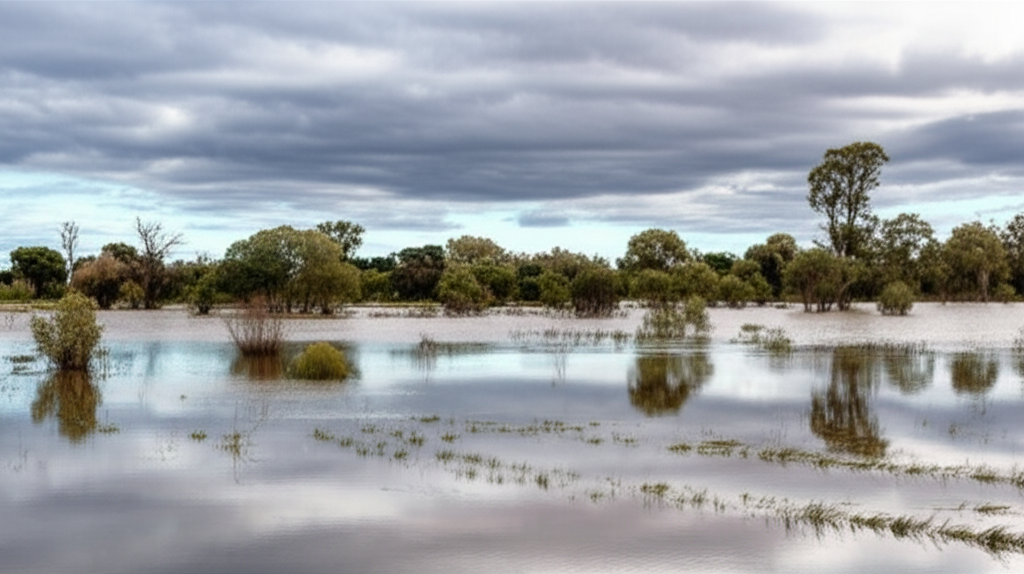
While all floods involve water damage, not all water damage is caused by floods. Flood restoration Australia typically refers to situations where water ingress is extensive, often originating from external sources like overflowing rivers, flash floods, or severe storms. This type of damage is often more severe and complex than a burst pipe, primarily due to the volume of water involved and the potential for contamination. Floodwaters can carry sewage, chemicals, pesticides, and other hazardous materials, classifying them as Category 3 (black water) incidents, which require specialized handling and sanitization protocols to protect health and safety.
The process of flood restoration in Australia involves several distinct and rigorous steps. First, safety is paramount; technicians must assess for electrical hazards and structural instability. Then comes the monumental task of water extraction, often requiring industrial-grade equipment to remove thousands of litres of water. Following extraction, comprehensive drying and dehumidification are critical to eliminate all residual moisture from structures and contents, preventing mould and further deterioration. Due to the high risk of contamination, extensive cleaning, sanitization, and deodorization are mandatory to ensure the property is safe and habitable again. This meticulous approach is what differentiates professional flood restoration from a simple cleanup, ensuring long-term safety and structural integrity.
Finding "Water Damage Restoration Near Me" Across the Continent
In a country as vast as Australia, the concept of "near me" can vary significantly. Whether you're in a bustling city like Sydney or a remote regional town, when water damage strikes, your immediate thought is often, "Where can I find water damage restoration near me?" The good news is that reputable restoration networks like National Restoration Network have established a broad reach, ensuring that professional help is accessible across metropolitan and many regional areas. This network approach means that even if a local, independent operator isn't immediately available, a trusted and certified team from within the network can be dispatched promptly.
When searching for local services, it's crucial to look for companies that offer 24/7 emergency response, are IICRC certified (Institute of Inspection, Cleaning and Restoration Certification), and have a strong reputation for reliability and effectiveness. While "near me" implies geographical proximity, a truly effective service is one that can respond quickly, has the right equipment, and possesses the expertise to handle your specific situation, regardless of your location within Australia. The National Restoration Network prides itself on connecting clients with qualified technicians who understand local conditions and can provide timely, efficient, and comprehensive water damage solutions, making them a practical choice for "water damage restoration near me" no matter where you are.
The Comprehensive Process of Flood Damage Repair Australia
The journey of flood damage repair Australia is a multi-faceted process designed to systematically bring a property back from the brink of disaster. It requires not only specialized equipment but also a deep understanding of building science, material properties, and health and safety regulations. The process typically unfolds in several critical stages, each vital for a successful outcome.
Initial Assessment and Safety Protocols
Upon arrival, technicians conduct a thorough assessment of the damage, identifying the water source, determining the category of water (clean, grey, or black), and evaluating the extent of structural and contents damage. Safety is the top priority, involving checks for electrical hazards, gas leaks, and structural instability. Personal protective equipment (PPE) is donned, and necessary precautions are taken to secure the site.
Water Extraction and Removal
Using powerful submersible pumps and industrial-grade wet vacuums, standing water is rapidly removed from the property. This step is crucial for minimizing saturation and preventing water from migrating further into walls, floors, and subfloors. The faster water is extracted, the less time it has to cause secondary damage like swelling and mould growth.
Drying and Dehumidification
Once visible water is removed, the focus shifts to extracting moisture hidden within structural materials and the air. High-powered air movers are strategically placed to promote evaporation, while industrial dehumidifiers remove moisture from the air, preventing further absorption by dry materials and inhibiting mould. Moisture meters and thermal imaging cameras are used to monitor drying progress and ensure all hidden moisture pockets are addressed.
Cleaning, Sanitizing, and Deodorizing
Especially in flood scenarios involving contaminated water, thorough cleaning and sanitization are non-negotiable. All affected surfaces and salvageable contents are cleaned, disinfected, and deodorized using specialized antimicrobial agents. This eliminates bacteria, viruses, and mould spores, ensuring a healthy and safe environment. Odour removal is also critical, as lingering musty smells can indicate unresolved moisture or microbial growth.
Restoration and Repair
The final stage involves restoring the property to its pre-damage condition. This can range from minor repairs like replacing drywall and flooring to more extensive structural reconstruction. Salvageable items are cleaned and restored, and unsalvageable items are safely removed. The goal is to make the property look and feel as if the flood never happened, ensuring all repairs meet current building codes and standards. Throughout this entire process, skilled technicians maintain open communication with property owners and insurance companies, streamlining what can often be a complex and emotionally taxing experience.
Why Choose National Restoration Network for Your Water Damage Needs?
When facing the aftermath of water damage or a flood, choosing the right restoration partner is critical. The National Restoration Network stands out as a premier provider of water damage restoration Australia, offering a comprehensive suite of services designed for efficiency, effectiveness, and peace of mind. Our extensive network of certified professionals ensures that expert help is always within reach, providing consistent, high-quality service across the continent.
Our commitment begins with rapid response times. We understand that emergencies don't wait, which is why our teams are available 24/7 for emergency water damage restoration. This immediate action is crucial for mitigating damage and preventing costly secondary issues like mould. We employ state-of-the-art equipment and advanced techniques, adhering to industry best practices and IICRC standards for water extraction, drying, dehumidification, and sanitization. Our technicians are not just skilled; they are continuously trained and certified, ensuring they are at the forefront of restoration technology and methodology.
Beyond the technical expertise, we prioritize customer service and clear communication. Dealing with flood damage repair Australia can be incredibly stressful, and our goal is to alleviate that burden. We work closely with insurance companies, simplifying the claims process and providing detailed documentation to ensure a smooth and efficient resolution. Whether it's a small leak or a major flood, our holistic approach ensures that every aspect of the damage is addressed, from initial assessment to final restoration, delivering a thorough and reliable service that restores not just your property, but also your peace of mind.
Conclusion
Water damage and floods pose a significant threat to properties across Australia, demanding an immediate and professional response. From minor leaks to catastrophic inundations, the need for expert water damage restoration Australia is undeniable. Acting swiftly with emergency water damage restoration services is paramount to preventing escalating damage, inhibiting mould growth, and protecting the structural integrity of your home or business. When facing the complexities of flood restoration Australia or extensive flood damage repair Australia, relying on certified professionals ensures a thorough, safe, and effective recovery.
The National Restoration Network stands ready to be your trusted partner in these challenging times. With a nationwide presence, 24/7 availability, and a team of highly trained and IICRC-certified technicians, we provide comprehensive solutions that address every facet of water and flood damage. Don't let water damage compromise your property or your well-being. For reliable, efficient, and professional water damage restoration near me, contact the National Restoration Network today and experience the peace of mind that comes with expert care.