
Essential strategies for effective water and storm damage restoration in Australia
- By, National Restoration Network
- 27 May, 2026
Essential strategies for effective water and storm damage restoration in Australia
Australia’s diverse climate, from arid interiors to tropical coasts, unfortunately makes properties across the continent vulnerable to an array of water-related hazards. Whether it’s a sudden burst pipe, an overflowing appliance, or the devastating impact of a major storm or flood, water damage can strike unexpectedly, causing significant disruption and potential long-term harm to homes and businesses. The urgency of addressing such incidents cannot be overstated, as standing water and excessive moisture quickly lead to secondary issues like mould growth, structural deterioration, and compromised indoor air quality. Understanding the importance of prompt and professional water damage restoration Australia is the first step towards safeguarding your property and ensuring a swift, thorough recovery.
This comprehensive guide delves into the critical aspects of water damage and storm damage restoration, outlining why immediate action is paramount and what constitutes effective, professional intervention. We will explore the various causes of water ingress, the specific challenges posed by Australia's unique weather patterns, and the meticulous process involved in returning a damaged property to its pre-loss condition, highlighting the invaluable role of expert restorers.
Understanding the Widespread Impact of Water Damage Across Australia
Water damage isn't a singular event; it encompasses a spectrum of scenarios, each demanding a tailored response. In Australia, the causes are as varied as the landscape itself. Internally, problems like leaking roofs, faulty plumbing, burst hot water systems, or overflowing washing machines can quickly saturate carpets, walls, and subflooring. Externally, however, the threat is often magnified by the country's susceptibility to extreme weather events. Tropical cyclones bring torrential rains and powerful winds to northern regions, while intense low-pressure systems can cause widespread flash flooding in urban and rural areas across the southern states. Bushfires, too, often precede heavy rainfall, leading to devastating post-fire floods as denuded landscapes struggle to absorb water.
The scale of damage can range from a minor inconvenience to a catastrophic event that renders a property uninhabitable. Regardless of the source or severity, the common thread is the need for rapid intervention. Lingering moisture creates a breeding ground for mould within 24-48 hours, significantly increasing restoration costs and posing health risks. Structural integrity can be compromised as timber warps, plasterboard deteriorates, and metal components corrode. For businesses, the interruption to operations can lead to substantial financial losses, emphasizing why swift and effective water damage restoration Australia is not just a convenience, but a necessity.
The Critical Importance of Emergency Water Damage Restoration
When water damage strikes, time is of the essence. Every hour that passes with water saturating materials increases the potential for irreversible damage and escalates the overall cost of restoration. This is where emergency water damage restoration services become indispensable. These services are designed for rapid deployment, often available 24/7, because disasters don't adhere to business hours. The immediate goal is to mitigate further damage, stabilize the environment, and begin the drying process as quickly as possible.
An emergency response typically begins with a thorough assessment of the situation, identifying the water source, categorising the water (clean, grey, or black, each with different contamination risks), and determining the extent of saturation. Following this, powerful industrial-grade equipment is deployed for water extraction. This critical first step removes the bulk of standing water from carpets, flooring, and other surfaces, significantly reducing drying times and inhibiting microbial growth. For anyone searching for "water damage restoration near me" in a crisis, the ability of a professional service to mobilise quickly with the right equipment can make all the difference in salvaging property and preventing long-term issues.
The Comprehensive Process of Professional Water Damage Restoration
Effective water damage restoration is a multi-stage process that goes far beyond simply drying out a wet area. It requires a systematic approach, specialised equipment, and expert knowledge to ensure thorough drying, sanitisation, and repair. Professionals follow industry-best practices to achieve optimal results:
Initial Assessment and Inspection
Upon arrival, certified technicians conduct a detailed inspection using moisture meters, thermal imaging cameras, and other diagnostic tools to accurately map the extent of water penetration, even in hidden areas within walls and subfloors. This assessment is crucial for developing a precise restoration plan and providing an accurate scope of work.
Water Extraction
Using powerful pumps and vacuums, all standing water is removed. This step is vital to prevent further saturation, reduce drying time, and prepare the area for the next phase. Efficient extraction can remove up to 90% of the moisture from affected materials.
Drying and Dehumidification
Once the bulk water is extracted, the focus shifts to removing residual moisture from structural materials and the air. High-velocity air movers are strategically placed to promote evaporation, while industrial-grade dehumidifiers extract moisture from the air, creating an optimal drying environment. This prevents secondary damage like warping, swelling, and mould growth.
Cleaning, Sanitisation, and Deodorisation
Depending on the water category, affected areas and contents may require thorough cleaning and sanitisation to remove contaminants and prevent mould and bacterial growth. Anti-microbial treatments are often applied. Deodorisation is also crucial to eliminate any musty odours left by water damage.
Restoration and Repairs
The final stage involves restoring the property to its pre-damage condition. This can range from minor repairs like carpet re-laying and plasterboard patching to more extensive structural rebuilds. Professional restorers can manage this entire process, ensuring a seamless transition from mitigation to complete recovery.
Specialised Restoration Services for Australia's Unique Challenges
Australia's climate often necessitates specialised approaches to water-related disasters, requiring expertise beyond standard water damage protocols.
Flood Restoration Australia
Flooding, whether from overflowing rivers, storm surges, or urban flash floods, presents unique challenges. Floodwaters are often highly contaminated (Category 3 or "black water"), carrying bacteria, viruses, chemicals, and sewage. This means that flood restoration requires stringent sanitisation protocols, removal of porous materials that cannot be safely cleaned (like carpet and plasterboard), and aggressive drying techniques to combat widespread saturation. Expert flood restoration Australia services understand the health risks involved and deploy advanced personal protective equipment and decontamination procedures to ensure the safety of both occupants and technicians.
Storm Damage Restoration Australia
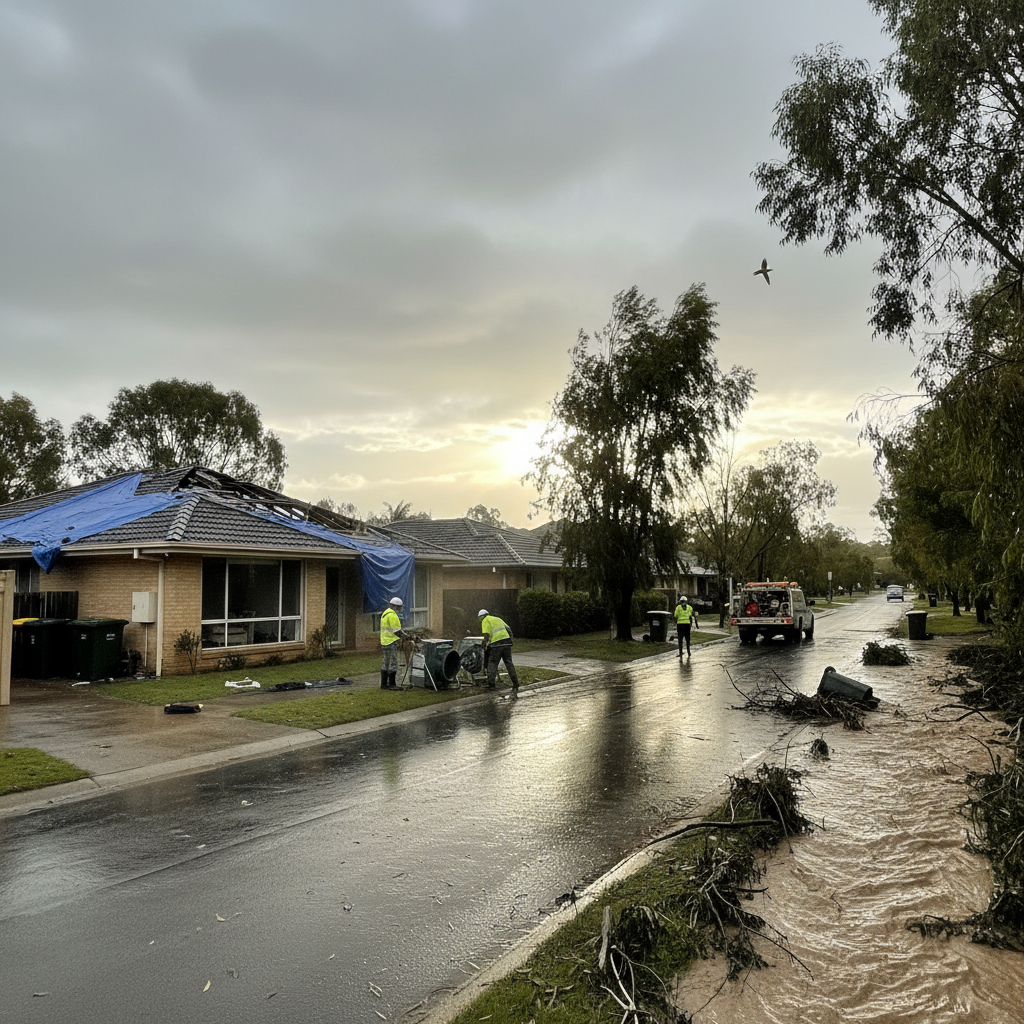
Storms in Australia can be incredibly destructive, involving not just heavy rain but also high winds, hail, and lightning. Storm damage restoration Australia often involves a multi-faceted approach, addressing immediate water ingress from damaged roofs, broken windows, or structural breaches, concurrently with repairs to the storm-damaged elements themselves. This might include emergency board-ups, tarping of damaged roofs, debris removal, and then proceeding with comprehensive water extraction and drying. The coordination of these efforts is crucial to prevent further damage and streamline the recovery process, often working closely with insurance providers to manage complex claims.
Why Choose Professional Restoration Services
While DIY attempts might seem cost-effective initially, the complexities of water and storm damage often lead to incomplete drying, missed moisture pockets, and subsequent mould growth or structural issues, ultimately costing more in the long run. Professional restoration services offer:
- **Expertise and Experience:** Certified technicians possess the knowledge to assess damage accurately, identify hidden moisture, and apply the most effective restoration techniques.
- **Specialised Equipment:** Access to industrial-grade pumps, air movers, dehumidifiers, moisture meters, and thermal imaging cameras that homeowners typically do not have.
- **Safety Protocols:** Professionals are trained to handle contaminated water safely, mitigating health risks associated with mould, bacteria, and other hazards.
- **Mould Remediation:** If mould has already begun to grow, professionals are equipped to safely and effectively contain and remove it.
- **Insurance Claim Assistance:** Reputable firms, like those part of the National Restoration Network, can help document the damage, provide detailed reports, and communicate directly with your insurance company, simplifying the claims process.
- **Rapid Response:** For emergency situations, the ability of a professional service to provide prompt and efficient action can significantly reduce the scope of damage and recovery time.
Preparing for the Unexpected
While professional restoration services are vital after an incident, proactive measures can significantly reduce the impact of water damage. Regular property maintenance, including checking plumbing for leaks, cleaning gutters, and ensuring proper drainage, can prevent many common issues. For those in flood or storm-prone areas, having an emergency plan and knowing who to call for "water damage restoration near me" is invaluable. Being prepared means you can react swiftly when disaster strikes, minimizing the disruption and cost.
Conclusion
Water damage, in all its forms, poses a significant threat to properties across Australia. From internal plumbing failures to devastating floods and storms, the potential for extensive and costly damage is ever-present. The key to mitigating these risks and ensuring a successful recovery lies in understanding the critical importance of immediate, professional intervention. Engaging expert water damage restoration Australia services not only addresses the immediate crisis but also safeguards your property against long-term issues like mould and structural deterioration. By choosing experienced and well-equipped professionals, such as those within the National Restoration Network, property owners can navigate the complexities of restoration with confidence, knowing their property is in capable hands and on the path to full recovery.