
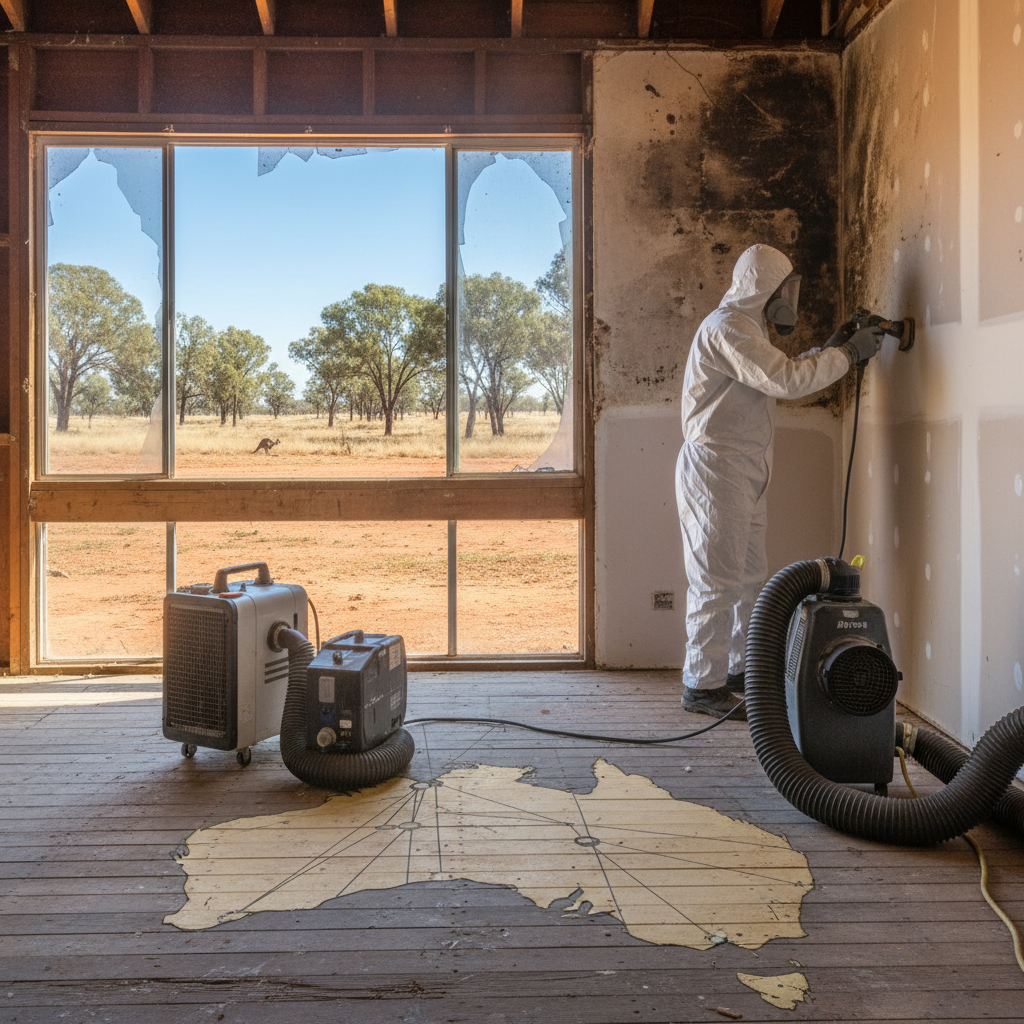
Comprehensive water damage and mould restoration solutions throughout Australia
- By, National Restoration Network
- 10 May, 2026
Comprehensive water damage and mould restoration solutions throughout Australia
Water damage is an insidious threat that can strike any property, from a family home to a large commercial establishment, often with little to no warning. Whether it's the result of a burst pipe, a leaking appliance, a severe storm, or extensive flooding, the aftermath can be devastating. Beyond the immediate visible destruction, water infiltration initiates a cascade of problems, including structural compromise, health hazards from mould growth, and significant financial strain. When disaster strikes, the immediate priority is to find reliable, professional help, which is why services for water damage restoration near me are often urgently sought. For properties across this vast continent, understanding the critical need for prompt and effective water damage restoration Australia-wide is paramount.
The Australian climate, with its diverse weather patterns ranging from torrential rains and cyclones to flash floods, makes properties particularly vulnerable. This environmental reality underscores the importance of having access to expert emergency water damage restoration services that can respond swiftly and efficiently. Ignoring or delaying professional intervention can escalate initial damage into more severe, costly, and potentially dangerous issues, especially the rapid proliferation of mould. This article explores the multifaceted challenges of water and flood damage, the crucial role of professional restoration, and how specialist networks provide comprehensive solutions, including vital mould remediation Australia needs.
The Immediate Impact of Water Damage and Urgent Restoration Needs
When water invades a property, time becomes the most critical factor. The longer water sits, the deeper it penetrates, and the more extensive the damage becomes. Materials like timber, plasterboard, carpets, and insulation absorb water, leading to swelling, warping, discolouration, and structural weakening. Electrical systems can be compromised, posing serious safety risks. Within a mere 24-48 hours, the damp, dark conditions created by water intrusion become an ideal breeding ground for mould, transforming a simple water issue into a complex mould remediation project.
This is where the expertise of emergency water damage restoration professionals becomes indispensable. Their rapid response is crucial for mitigating further damage and initiating the recovery process. A professional team assesses the extent of the damage, categorises the water (e.g., clean, grey, or black water, each requiring different handling protocols), and deploys specialised equipment for water extraction. High-powered pumps and industrial-grade wet vacuums are used to remove standing water quickly, preventing it from soaking deeper into structural elements and contents. Following extraction, the focus shifts to drying and dehumidification, using air movers, dehumidifiers, and heaters to thoroughly dry out the affected areas, preventing secondary damage like mould growth and material degradation.
For comprehensive support in these critical moments, a dedicated resource like water damage restoration Australia provides crucial information and access to expert services, ensuring that properties receive the urgent care they need to recover effectively from water-related incidents.
Addressing Flood Restoration Australia's Unique Challenges
Australia is no stranger to floods, from localised flash flooding to widespread inundation caused by severe weather events. Flood damage presents unique and often more complex challenges than typical internal water leaks. Floodwaters are rarely clean; they often contain contaminants like sewage, chemicals, pesticides, and biological hazards, categorising them as "black water." This level of contamination necessitates advanced cleaning and sanitisation protocols to ensure the affected areas are not only dry but also safe and hygienic for occupancy.
Flood restoration Australia services involve a more intensive process. After water extraction and initial drying, thorough sanitisation and decontamination are performed. All porous materials that have come into contact with floodwater, such as carpets, underlay, plasterboard, and insulation, often need to be removed and disposed of to prevent the spread of contaminants and mould. Structural elements must be cleaned, disinfected, and thoroughly dried. Odour removal is also a critical component, as floodwaters can leave lingering, unpleasant smells. Professional flood restoration teams are equipped with personal protective equipment (PPE), specialised cleaning agents, and advanced techniques to safely and effectively tackle these hazardous conditions, restoring properties to a pre-loss state while prioritising health and safety.
The Pervasive Threat of Mould and Expert Remediation
Even after water has been removed and surfaces appear dry, the threat of mould persists if moisture has been allowed to linger. Mould spores are ubiquitous in the environment, and they only need a source of moisture, a food source (like timber, plaster, or fabric), and a suitable temperature to proliferate. Once mould takes hold, it can spread rapidly, often within 48-72 hours of water intrusion, becoming a significant health hazard and causing further property damage.
Mould can trigger allergic reactions, respiratory problems, asthma attacks, skin irritation, and other health issues, particularly in vulnerable individuals such as children, the elderly, and those with compromised immune systems. Beyond health concerns, mould visibly discolours surfaces, emits musty odours, and can gradually degrade structural materials, compromising the integrity of a building over time. This makes effective mould remediation Australia a critical service following any water damage event.
The Professional Mould Remediation Process
Professional mould remediation goes far beyond simply cleaning visible mould with bleach. It involves a systematic approach to safely and thoroughly remove mould and prevent its return. The process typically includes:
- Assessment: Identifying the extent of mould growth, its source, and determining the appropriate remediation strategy.
- Containment: Setting up physical barriers and negative air pressure to prevent mould spores from spreading to unaffected areas during the remediation process.
- Air Filtration: Using HEPA air scrubbers and air purifiers to capture airborne mould spores.
- Mould Removal: Safely removing mould-contaminated materials, often involving specialised cleaning agents and techniques for non-porous surfaces. Porous materials like drywall or insulation may need to be removed and replaced.
- Drying and Dehumidification: Ensuring all treated areas are thoroughly dried to eliminate moisture sources that could promote future mould growth.
- Cleaning and Sanitisation: Cleaning and sanitising all affected surfaces to remove any remaining mould spores and prevent recurrence.
- Restoration: Repairing or replacing damaged structural elements and contents.
For detailed information and expert services in addressing mould issues, visit mould remediation Australia, where comprehensive solutions are provided to protect health and property.
Why Professional Restoration Services Are Indispensable Across Australia
While the urge to tackle water damage yourself might be strong, professional water damage restoration services offer unparalleled benefits that ensure a thorough, safe, and effective recovery. Specialists bring a wealth of experience, advanced equipment, and industry-best practices to every job, regardless of its scale or complexity. When you search for "water damage restoration near me" in Australia, you're not just looking for proximity; you're seeking competence, reliability, and comprehensive service.
Key Advantages of Expert Restoration
- Rapid Response and Mitigation: Professionals are equipped for immediate deployment, reducing the window for secondary damage.
- Advanced Equipment: Industrial-grade water extractors, desiccants, dehumidifiers, air movers, and specialised cleaning agents are far more effective than standard household tools.
- Expertise and Experience: Trained technicians understand different types of water damage, potential hazards, and the most effective restoration techniques for various materials.
- Mould Prevention and Remediation: Beyond just drying, professionals implement strategies to prevent mould growth and, if already present, perform safe and thorough mould remediation.
- Health and Safety: Handling contaminated water or mould requires proper PPE and protocols to protect occupants and workers from health risks.
- Insurance Liaison: Many restoration companies work directly with insurance providers, simplifying the claims process and ensuring all necessary documentation is handled correctly.
- Comprehensive Solutions: From initial assessment and water extraction to drying, cleaning, sanitisation, and final repairs, a professional service manages the entire restoration lifecycle.
Across Australia, a robust network of professionals ensures that no matter where you are, expert help is available. The National Restoration Network exemplifies this, connecting property owners with certified and experienced specialists who can respond to emergencies and provide comprehensive restoration services.
The National Restoration Network Advantage
In a country as vast and geographically diverse as Australia, having a reliable and widespread network for emergency services is paramount. The National Restoration Network offers precisely this, providing a unified approach to disaster recovery services across the continent. By connecting clients with qualified and vetted restoration professionals, the network ensures that whether you're dealing with a burst pipe in Sydney, flood damage in Queensland, or mould issues in Perth, you have access to top-tier expertise.
Their commitment to excellence means that every affiliated service provider adheres to stringent industry standards, utilising the latest technology and techniques in water damage restoration, flood recovery, and mould remediation. This integrated approach not only streamlines the restoration process but also provides peace of mind, knowing that a trusted and professional team is on hand to navigate the complexities of property recovery.
Conclusion
Water damage, flood devastation, and mould proliferation pose significant threats to properties and health across Australia. The urgency of addressing these issues cannot be overstated, as prompt and professional intervention is the key to mitigating damage, preventing further complications, and ensuring a complete recovery. From the immediate need for emergency water damage restoration to the meticulous process of flood restoration Australia-wide, and the critical importance of effective mould remediation Australia, expert services are indispensable.
Choosing a reputable and comprehensive service provider means entrusting your property to skilled professionals who understand the nuances of disaster recovery. They not only restore your physical property but also help restore your peace of mind. For reliable, efficient, and professional water damage and mould restoration services anywhere in Australia, consider reaching out to a trusted network like the National Restoration Network. Investing in expert restoration is an investment in the long-term safety, integrity, and value of your property.