
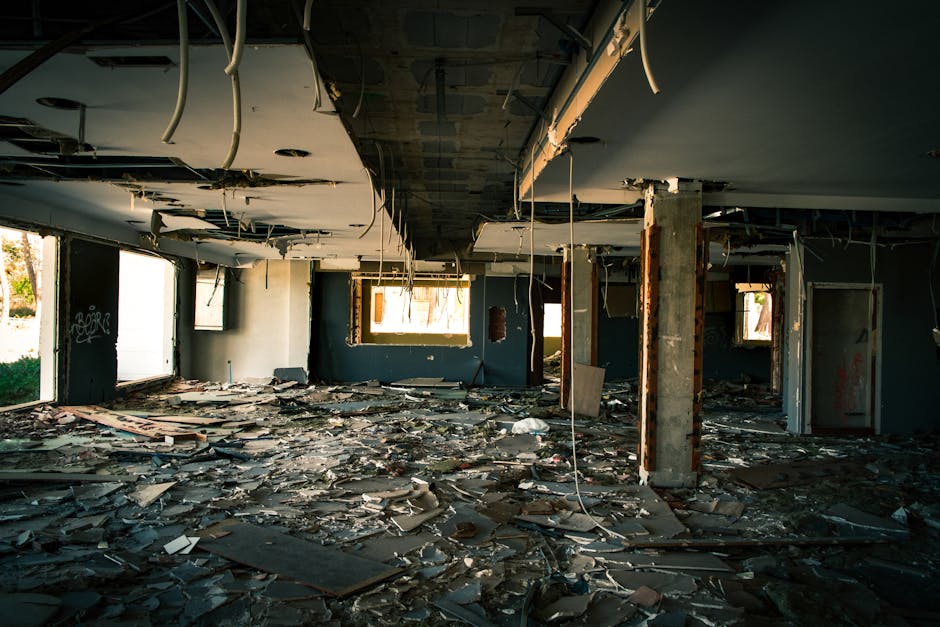
Comprehensive Water Damage Restoration Across Australia
- By, National Restoration Network
- 18 Mar, 2026
Comprehensive Water Damage Restoration Across Australia
Water damage can strike unexpectedly, turning a peaceful home or thriving business into a scene of chaos and potential devastation. Whether it's a burst pipe, an overflowing appliance, or the widespread destruction of a natural flood, the impact is immediate and often overwhelming. The insidious nature of water means that without swift and professional intervention, what starts as a minor inconvenience can quickly escalate into significant structural damage, mould growth, and costly repairs. When facing such an emergency, knowing where to turn for reliable water damage restoration Australia is paramount. This guide will explore the critical aspects of professional water damage and flood restoration, from emergency response to comprehensive repair, ensuring you understand the steps to take and why expert help is non-negotiable for protecting your property and health across the vast continent of Australia.
Understanding the Threat: The Many Faces of Water Damage
Water damage isn't a monolithic problem; it comes in various forms, each presenting its own set of challenges and risks. Recognising the type and source of water is the first crucial step in effective restoration. Ignoring the nuances can lead to improper treatment, lingering issues, and even health hazards.
Types of Water Damage: Clean, Grey, and Black
Professionals categorise water damage into three main types, based on the level of contamination:
- Category 1 (Clean Water): This originates from a sanitary source, such as a burst pipe, overflowing sink, or appliance malfunction (e.g., washing machine, hot water heater). While initially clean, it can quickly degrade to Category 2 if left untreated, especially when coming into contact with building materials and surfaces.
- Category 2 (Grey Water): This water contains a significant level of chemical, biological, or physical contaminants. Examples include overflow from a toilet bowl with urine (but no faeces), discharge from a dishwasher or washing machine, or a broken aquarium. Grey water poses a greater health risk than clean water and requires more thorough cleaning and sanitisation.
- Category 3 (Black Water): This is grossly contaminated water containing pathogenic agents and is highly unsanitary. Sources include sewage backups, rising floodwaters from rivers or oceans, and any water that has been stagnant for an extended period, allowing microbial growth. Black water is extremely dangerous and requires specialised handling, protective gear, and often the removal of porous materials it has affected.
Understanding these categories helps restoration experts determine the appropriate safety protocols, cleaning methods, and disposal procedures, ensuring a safe and effective restoration process.
Common Causes of Water Damage in Australia
Australia's diverse climate and infrastructure contribute to a wide array of water damage causes:
- Plumbing Failures: Burst pipes, leaky fittings, malfunctioning hot water systems, and overflowing toilets are frequent culprits, often occurring within walls or under floors, leading to hidden damage.
- Appliance Malfunctions: Dishwashers, washing machines, and refrigerators can leak or overflow, causing significant damage to flooring and surrounding structures.
- Roof Leaks and Structural Issues: Damaged roofing, blocked gutters, or compromised foundations can allow rainwater to penetrate the building envelope, especially during heavy downpours.
- Natural Disasters: Australia is no stranger to severe weather events. Flash floods, riverine flooding, and storm surges from cyclones or intense rainfall are major contributors to widespread flood damage, impacting homes and businesses across vast regions.
Regardless of the cause, the common thread is the need for immediate action to minimise long-term consequences.
The Urgency of Emergency Water Damage Restoration
When water damage occurs, every second counts. Delaying action by even a few hours can dramatically increase the extent of the damage, the complexity of the restoration, and the overall cost. This is where emergency water damage restoration services become indispensable.
Why Time is Critical for Mitigation
The immediate aftermath of water intrusion is a race against time:
- Preventing Secondary Damage: Within 24-48 hours, standing water and high humidity create a perfect breeding ground for mould and mildew. These not only pose health risks but can also cause irreversible damage to porous materials like drywall, insulation, and timber.
- Limiting Structural Deterioration: Prolonged exposure to water can weaken structural components, warp wooden floors, swell cabinetry, and corrode metal fixtures, compromising the integrity of your property.
- Reducing Restoration Costs: Quick water extraction and drying can salvage many items that would otherwise need to be replaced, significantly cutting down on repair expenses.
- Health and Safety: Contaminated water can introduce bacteria, viruses, and other pathogens. Rapid response helps mitigate these health risks for occupants.
The Role of 24/7 Emergency Services
Professional emergency restoration companies understand this urgency. They offer round-the-clock availability, ensuring that help is dispatched immediately, day or night, weekends or holidays. Their rapid response typically involves:
- Immediate Assessment: Technicians quickly assess the source of the water, the category of water, and the extent of the damage to formulate an action plan.
- Water Extraction: High-powered pumps and industrial-strength wet vacuums are deployed to remove standing water quickly and efficiently.
- Moisture Mapping and Drying: Advanced equipment like thermal imaging cameras and moisture meters are used to locate hidden pockets of moisture, followed by strategic placement of industrial dehumidifiers and air movers to thoroughly dry affected areas.
For critical situations demanding immediate attention, companies like National Restoration Network provide the rapid, expert response needed to mitigate damage and begin the recovery process.
Comprehensive Water Damage Restoration Australia: A Step-by-Step Process
Effective water damage restoration Australia involves a meticulous, multi-stage process designed to not only remove water but also to restore your property to its pre-damage condition, ensuring long-term safety and integrity.
1. Detailed Assessment and Inspection
The restoration journey begins with a thorough inspection. Certified technicians use specialised tools, including moisture detectors, hygrometers, and thermal imaging cameras, to accurately map the extent of water intrusion, even in areas not visible to the naked eye. This allows for a precise understanding of what materials are affected and how deeply.
2. Water Extraction and Structural Drying
Following assessment, powerful submersible pumps and industrial-grade wet vacuums are used for rapid water extraction. Once standing water is removed, the focus shifts to structural drying. This involves the strategic placement of high-volume air movers and commercial dehumidifiers to reduce ambient moisture and dry out structural components and contents. Monitoring moisture levels continuously ensures complete drying and prevents secondary issues.
3. Cleaning, Sanitisation, and Odour Removal
Depending on the water category, affected areas and contents undergo thorough cleaning and sanitisation. This stage is crucial for eliminating contaminants, bacteria, and potential mould spores. Anti-microbial treatments are applied to prevent mould growth. Professional odour removal techniques, such as air scrubbers and thermal fogging, are employed to neutralise unpleasant smells caused by dampness or microbial activity.
4. Repair, Restoration, and Reconstruction
The final phase involves repairing or replacing damaged materials and restoring your property to its original state. This can range from minor repairs like painting and carpet replacement to major reconstruction projects involving drywall, flooring, cabinetry, and structural elements. Professional restoration services manage the entire process, ensuring quality workmanship and adherence to building codes.
Flood Restoration Australia: Tackling Catastrophic Water Damage
Floods represent the most severe form of water damage, often involving large volumes of highly contaminated water and extensive destruction. Flood restoration Australia requires a specialised approach, robust equipment, and experienced personnel to safely and effectively manage the aftermath.
The Unique Challenges of Floodwaters
Floodwaters are typically Category 3 (black water), meaning they are heavily contaminated with sewage, chemicals, debris, and microorganisms. This poses significant health risks to anyone coming into contact with them. The sheer volume of water often saturates entire structures, affecting foundations, electrical systems, and virtually all contents. The clean-up is not just about drying; it's about decontamination and rebuilding.
Specialised Flood Damage Repair Australia
Effective flood damage repair Australia goes beyond standard water damage protocols:
- Extensive Debris Removal: Flood-affected properties often contain mud, silt, and various types of debris that must be safely removed before drying can begin.
- Aggressive Decontamination: Due to the high level of contamination, a more aggressive approach to cleaning and sanitisation is necessary. This often involves removing and disposing of all porous materials (carpets, drywall, insulation) that have come into contact with floodwaters.
- Structural Drying on a Large Scale: Industrial-grade drying equipment is deployed on a massive scale to tackle the extensive saturation of structural elements.
- Mould Remediation: Given the conditions, mould growth is almost inevitable after a flood. Professional mould remediation is a critical component, involving containment, removal, and air purification.
- Electrical and HVAC System Checks: Floodwaters can severely compromise electrical systems and HVAC ducting, requiring expert inspection and repair or replacement to ensure safety and functionality.
Navigating Insurance Claims After a Flood
Dealing with insurance companies after a flood can be complex and stressful. Reputable flood restoration companies often assist property owners by documenting the damage, providing detailed estimates, and communicating directly with insurance adjusters. This support can significantly streamline the claims process, helping you receive fair compensation for your losses.
Finding "Water Damage Restoration Near Me": The Importance of Local Expertise
When disaster strikes, the immediate thought is often, "Who can provide water damage restoration near me?" Opting for a local, reputable service provider offers numerous advantages, ensuring a faster, more effective, and personalised response.
Benefits of Choosing Local Water Damage Professionals
- Rapid Response Times: A local company can dispatch a team to your property much faster, which is crucial for mitigating damage and preventing secondary issues. Their proximity means less travel time and quicker deployment of equipment.
- Knowledge of Local Conditions: Local restoration experts are familiar with regional climate patterns, common building materials, and local regulations. This knowledge helps them anticipate specific challenges and apply the most effective restoration techniques for your area.
- Community Trust and Accountability: Local businesses often rely on their reputation within the community. They are more likely to provide exceptional service and stand by their work, fostering trust and long-term relationships.
How to Choose the Right Water Damage Restoration Company
When searching for "water damage restoration near me," consider these factors:
- Certifications: Look for companies with certifications from industry bodies like the Institute of Inspection, Cleaning and Restoration Certification (IICRC). This ensures their technicians are trained to the highest standards.
- Experience: Choose a company with a proven track record in handling various types and scales of water damage, including emergency and flood situations.
- 24/7 Availability: Water emergencies don't adhere to business hours. Ensure the company offers round-the-clock service.
- Comprehensive Services: A full-service company that handles everything from water extraction and drying to mould remediation and reconstruction will simplify the restoration process.
- Transparent Pricing and Insurance Assistance: Request a detailed estimate and inquire about their experience working with insurance companies.
- Customer Reviews and Testimonials: Check online reviews and ask for references to gauge their professionalism and quality of service.
For Australians seeking reliable, expert assistance, the National Restoration Network connects you with certified professionals across the country, ensuring you receive prompt and effective service no matter where you are.
Preventative Measures and Future Preparedness
While professional restoration services are vital after an incident, proactive measures can significantly reduce the risk and severity of water damage.
Regular Maintenance is Key
- Inspect Plumbing: Periodically check pipes, hoses for appliances (washing machines, dishwashers), and water heaters for leaks or signs of wear. Replace old hoses every 3-5 years.
- Maintain Your Roof and Gutters: Clear gutters and downspouts regularly to prevent blockages and ensure proper drainage away from your foundation. Inspect your roof for damaged shingles or flashing.
- Check Your Foundation: Look for cracks or signs of water penetration in your basement or crawl space. Ensure proper grading around your home directs water away from the foundation.
- Know Your Shut-Off Valve: Locate your main water shut-off valve and ensure everyone in your household knows how to turn it off in an emergency.
Emergency Preparedness
- Create an Emergency Kit: Include essential documents (insurance policies), basic tools, and a list of emergency contacts, including your chosen water damage restoration provider.
- Understand Your Insurance Policy: Review your home or business insurance policy annually to understand what types of water damage (e.g., burst pipes vs. flood) are covered and what your deductibles are.
Conclusion
Water damage, whether from a sudden burst pipe or a devastating flood, demands immediate and professional attention. The consequences of delayed action can be severe, leading to escalating repair costs, irreversible structural damage, and significant health risks from mould and contamination. Across Australia, having access to reliable water damage restoration Australia and specialised flood damage repair Australia is not just a convenience, but a necessity.
By understanding the different types of water damage, recognising the urgency of emergency response, and knowing how to select a certified local professional, you can protect your property and peace of mind. When disaster strikes, don't hesitate. For expert, rapid, and comprehensive water damage restoration near me, trust the professionals connected through the National Restoration Network to restore your property safely and efficiently. Contact them immediately to mitigate damage and begin your journey back to normalcy.