
Choosing Australian Damage Restoration: A Buyer's Guide for Property Owners
- By, National Restoration Network
- 30 May, 2026
Choosing Australian Damage Restoration: A Buyer's Guide for Property Owners
When disaster strikes, whether it's a burst pipe, an overflowing river, a devastating fire, or a destructive storm, the aftermath can be overwhelming. Property owners across Australia often find themselves facing significant damage, from compromised structures to hidden hazards like mould growth. In these stressful times, the immediate impulse is to find a reliable solution quickly. However, making an informed decision about who to trust with your property's recovery is paramount to ensure a thorough, safe, and lasting restoration.
This comprehensive guide is designed to empower Australian property owners with the knowledge needed to navigate the complex world of damage restoration. We'll delve into the specifics of various restoration services, from urgent water damage restoration near me to extensive flood damage repair across Australia, and detail the critical factors you must consider before hiring a restoration company. By understanding what to look for, what questions to ask, and what standards to expect, you can ensure your property is returned to its pre-loss condition efficiently and effectively, safeguarding your investment and your peace of mind.
National Restoration Network stands as a beacon of expertise in this field, offering a broad spectrum of services tailored to the diverse needs of Australian properties. From initial assessment to final repairs, partnering with a competent and reputable restoration provider is the first crucial step towards a successful recovery. This guide will help you identify what defines such a partner.
Understanding the Scope of Damage Restoration in Australia
Damage to property can manifest in various forms, each requiring a specialised approach. A truly capable restoration network understands the nuances of these challenges and possesses the specific equipment, training, and protocols for each scenario. Here's a breakdown of the key types of restoration services:
Water Damage Restoration: Beyond the Visible
Water damage is one of the most common and insidious forms of property damage. It can stem from anything from a leaking roof or plumbing malfunction to major internal flooding. Effective water damage restoration isn't just about drying out visible puddles; it's about identifying hidden moisture within walls, ceilings, and subflooring that can lead to structural compromise and mould growth. Experts use advanced moisture detection tools, industrial-grade dehumidifiers, and air movers to ensure thorough drying and prevent secondary damage. Rapid response for water damage restoration near me is critical, as every hour significantly impacts the extent of damage and the potential for successful remediation.
Flood Damage Repair: Comprehensive Solutions for Submersion
Flooding, whether from heavy rainfall, overflowing rivers, or coastal surges, presents a more severe challenge than typical water damage. Floodwaters often carry contaminants, necessitating not just drying but also extensive sanitation and decontamination. Flood damage repair in Australia involves meticulous extraction of water, removal of unsalvageable materials, thorough cleaning and disinfection, and structural drying. The process must address potential biohazards and ensure the property is safe for re-occupancy, often involving specialised techniques to mitigate long-term structural issues caused by prolonged saturation.
Fire Damage Restoration: Tackling Smoke, Soot, and Structural Integrity
A fire can be devastating, leaving behind not only structural damage but also pervasive smoke odour and corrosive soot. Fire damage restoration in Australia is a multi-faceted process that goes beyond simple cleanup. It involves securing the property, assessing structural integrity, removing charred debris, and meticulously cleaning all surfaces to eliminate soot and smoke residues. Specialised techniques are employed for odour neutralisation, often using ozone generators or thermal foggers, to ensure that the lingering smell of smoke is completely eradicated. Corrosion control on metal surfaces is also vital to prevent further deterioration after a fire incident. For more information on expert fire damage recovery, visit National Restoration Network's fire damage page.
Mould Remediation: Essential for Health and Property Value
Mould often arises as a secondary issue following water or flood damage, especially if drying is not thorough or timely. It can also develop in humid environments or due to persistent leaks. Mould remediation in Australia is crucial not only for preserving property value but, more importantly, for safeguarding the health of occupants. Professional remediation involves isolating the contaminated area, containing mould spores to prevent spread, safely removing mould-infested materials, and thoroughly cleaning and sanitising affected surfaces. Without proper containment and removal by certified specialists, mould can quickly return and exacerbate health issues. Learn more about professional mould solutions at National Restoration Network's mould damage page.
Storm Damage Restoration: From Debris to Structural Repairs
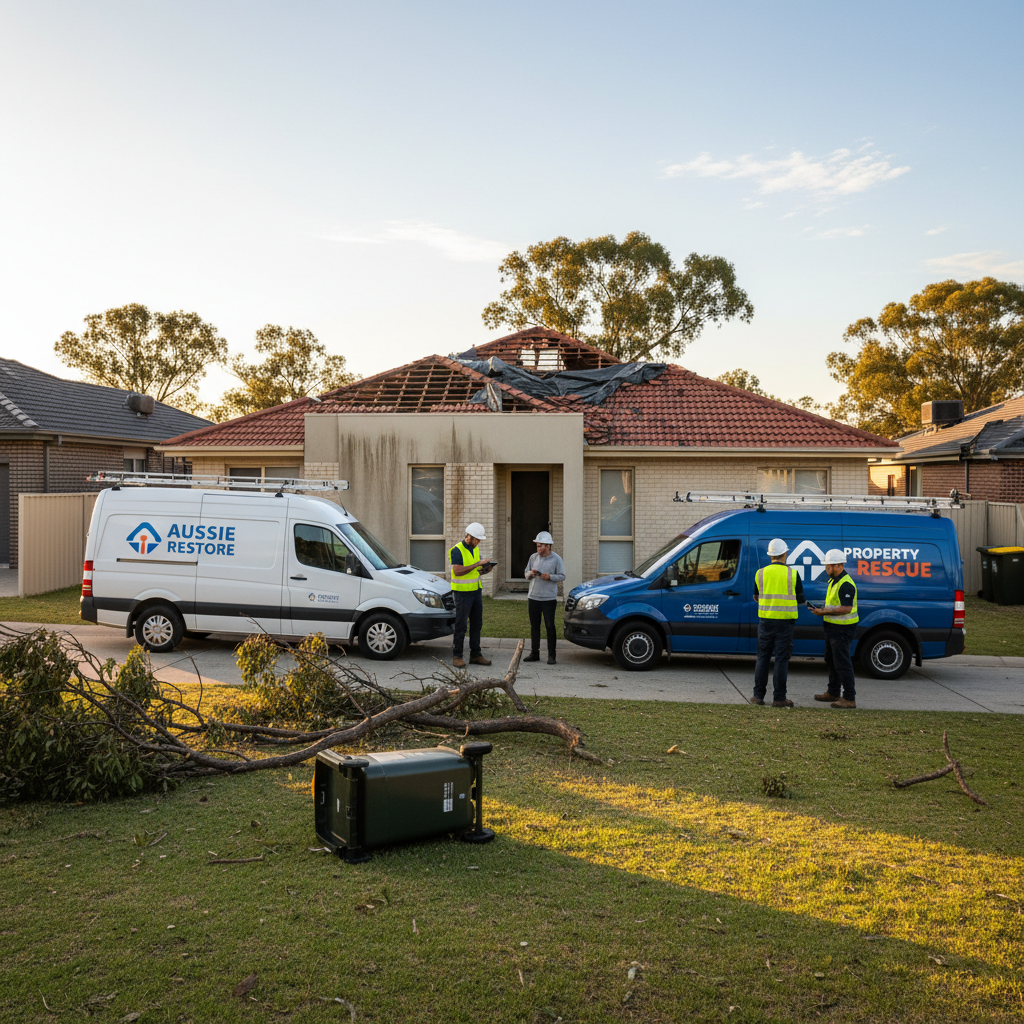
Australia is no stranger to severe weather events, from cyclones and hailstorms to torrential rains and high winds. Storm damage restoration in Australia encompasses a wide range of services, including emergency board-up and tarping, debris removal, water extraction and drying (if water ingress occurred), and comprehensive structural repairs. This can involve roof repair, window replacement, siding repair, and addressing any internal damage caused by the storm. A rapid response is vital to prevent further damage from exposure to the elements and to secure the property from potential hazards. For detailed storm recovery services, visit National Restoration Network's storm damage page.
Key Considerations Before Hiring a Restoration Company
Choosing the right restoration partner is the most critical decision you'll make in your property's recovery journey. Not all companies are created equal, and understanding what differentiates a truly professional service from an inadequate one is key to a successful outcome. Here are the essential factors to evaluate:
Certification and Qualifications: What to Look For
The restoration industry has specific certifications that denote a company's commitment to best practices and ongoing training. The Institute of Inspection, Cleaning and Restoration Certification (IICRC) is the most widely recognised body globally. Look for companies whose technicians hold IICRC certifications in areas relevant to your damage, such as Water Damage Restoration Technician (WRT), Applied Structural Drying (ASD), Fire & Smoke Restoration Technician (FSRT), or Applied Microbial Remediation Technician (AMRT). These certifications indicate that technicians have undergone rigorous training and adhere to industry-approved standards, ensuring a high level of competency and safety.
Experience and Specialisation: Matching Expertise to Your Need
An experienced restoration company will have a proven track record of successfully handling various types and scales of damage. Inquire about their experience with situations similar to yours. Do they specialise in residential, commercial, or industrial properties? While a generalist might be able to handle basic water extraction, complex scenarios like large-scale flood damage repair, extensive fire damage restoration, or intricate mould remediation require specialists with deep knowledge and specific equipment. A company with specialised teams for each damage type is often a stronger choice.
Insurance Liaison: Streamlining Your Claim Process
Dealing with property damage is stressful enough without the added burden of navigating complex insurance claims. A reputable restoration company should be adept at working with insurance providers. They should be able to assist with documentation, provide detailed estimates that align with insurance requirements, and communicate directly with your adjuster. This streamlines the claims process, reduces your administrative burden, and helps ensure you receive the appropriate coverage for the restoration work.
Emergency Response Capabilities: Time is Critical
Many forms of property damage, especially water and fire, require immediate attention to mitigate further loss. A professional restoration company should offer 24/7 emergency services and demonstrate rapid response capabilities. Ask about their typical response time for urgent calls. Delays in water extraction can lead to irreversible structural damage and extensive mould growth. Similarly, prompt action after a fire can prevent corrosive soot from causing permanent damage to sensitive materials.
Comprehensive Service Offering: One-Stop Solutions
Ideally, you want a restoration company that can handle the entire recovery process from start to finish. This includes initial assessment, emergency mitigation, structural drying, cleaning, decontamination, mould remediation, and reconstruction services. A company that offers a comprehensive suite of services, like National Restoration Network, reduces the need to coordinate multiple contractors, ensuring a more seamless and efficient restoration timeline. This holistic approach is especially beneficial for complex storm damage restoration or extensive flood damage repair.
The Due Diligence Checklist: Questions to Ask Potential Providers
To make the most informed decision, treat the hiring process like you would any significant investment. Prepare a list of questions to ask each potential restoration provider. By comparing their responses, you can gain clarity on their capabilities, professionalism, and suitability for your specific needs. Consider these key questions to evaluate:
- "Are you licensed and insured for restoration work in Australia?" – This is non-negotiable. Proper licensing ensures they meet regulatory standards, and comprehensive insurance (liability and workers' compensation) protects you from potential financial responsibility in case of accidents or damage during the project.
- "What specific IICRC certifications do your technicians hold, and how recent is their training?" – Beyond general experience, specific, up-to-date certifications for water, fire, mould, or applied structural drying demonstrate a commitment to current industry best practices and safety protocols.
- "Can you provide references or case studies for similar restoration projects you’ve completed?" – A reputable company should be proud to showcase their work and connect you with satisfied clients. This provides tangible evidence of their expertise and reliability.
- "What is your estimated timeline for assessment, mitigation, and full restoration?" – While exact timelines can vary, a professional will provide a realistic estimate and explain the factors that might influence it. This helps you manage expectations and plan your recovery.
- "How do you handle hazardous waste, contaminated materials, or biohazards, especially in flood or sewage-related incidents?" – Proper disposal and handling of contaminated materials are crucial for safety and environmental compliance. Their answer should demonstrate adherence to Australian health and safety regulations.
- "What is your communication process throughout the project, and who will be my primary point of contact?" – Clear, consistent communication is vital. You want to know you'll be kept informed of progress, challenges, and next steps, with a direct line to a project manager.
- "Do you assist with insurance claims, and what is your relationship with local insurance adjusters?" – Companies that regularly work with insurance companies can significantly ease the claims process, often having established relationships that facilitate smoother approvals and payments.
- "What guarantees or warranties do you offer on your restoration work?" – A confident company will stand behind their work. Understand what their guarantees cover and for how long, especially regarding mould recurrence or structural integrity.
By systematically asking these questions, you can effectively compare potential providers and identify the one that best aligns with your expectations for professionalism, quality, and comprehensive service for your water damage restoration, flood damage repair, fire damage restoration, mould remediation, or storm damage restoration needs across Australia.
Why a National Network Matters for Australian Property Owners
When facing property damage, whether it's a localised issue requiring immediate water damage restoration near me or a broader crisis demanding extensive flood damage repair, the support of a robust, national network offers distinct advantages.
Local Expertise, National Standards
A national network like National Restoration Network combines the best of both worlds: local teams with intimate knowledge of regional conditions, building codes, and community needs, backed by the standardised training, resources, and quality control of a larger organisation. This means you benefit from personalised, on-the-ground service coupled with consistent, high-level restoration practices.
Rapid Deployment Across Regions
In Australia, geographical distances can be vast. A national network ensures that no matter where your property is located, expert assistance is within reach. Their ability to deploy resources rapidly across different states and territories is invaluable during widespread disasters, ensuring quicker response times and more efficient recovery efforts for services like storm damage restoration Australia-wide.
Consistent Quality and Professionalism
Opting for a national network provides reassurance regarding the quality and professionalism you can expect. They typically adhere to stringent internal standards, employ certified technicians, and leverage cutting-edge equipment uniformly across all their operations. This consistency is crucial for complex tasks such as fire damage restoration Australia or mould remediation Australia, where adherence to strict protocols directly impacts the safety and longevity of the restoration.
Conclusion
Recovering from property damage is a challenging journey, but with the right partnership, it can be managed effectively and efficiently. This buyer's guide has aimed to equip you with the essential knowledge to make an informed decision when seeking water damage restoration, flood damage repair, fire damage restoration, mould remediation, or storm damage restoration services across Australia. From understanding the specific demands of each damage type to conducting thorough due diligence before hiring, your proactive choices are the bedrock of a successful property recovery.
Prioritising certified professionals, comprehensive service offerings, and a proven track record ensures not only that your property is restored to its pre-loss condition but also that the process is as stress-free as possible. For property owners seeking reliable, expert, and nationally supported restoration services, we invite you to explore the capabilities of National Restoration Network. Our commitment to excellence, rapid response, and adherence to the highest industry standards makes us a trusted partner in safeguarding your property investment and restoring your peace of mind.