
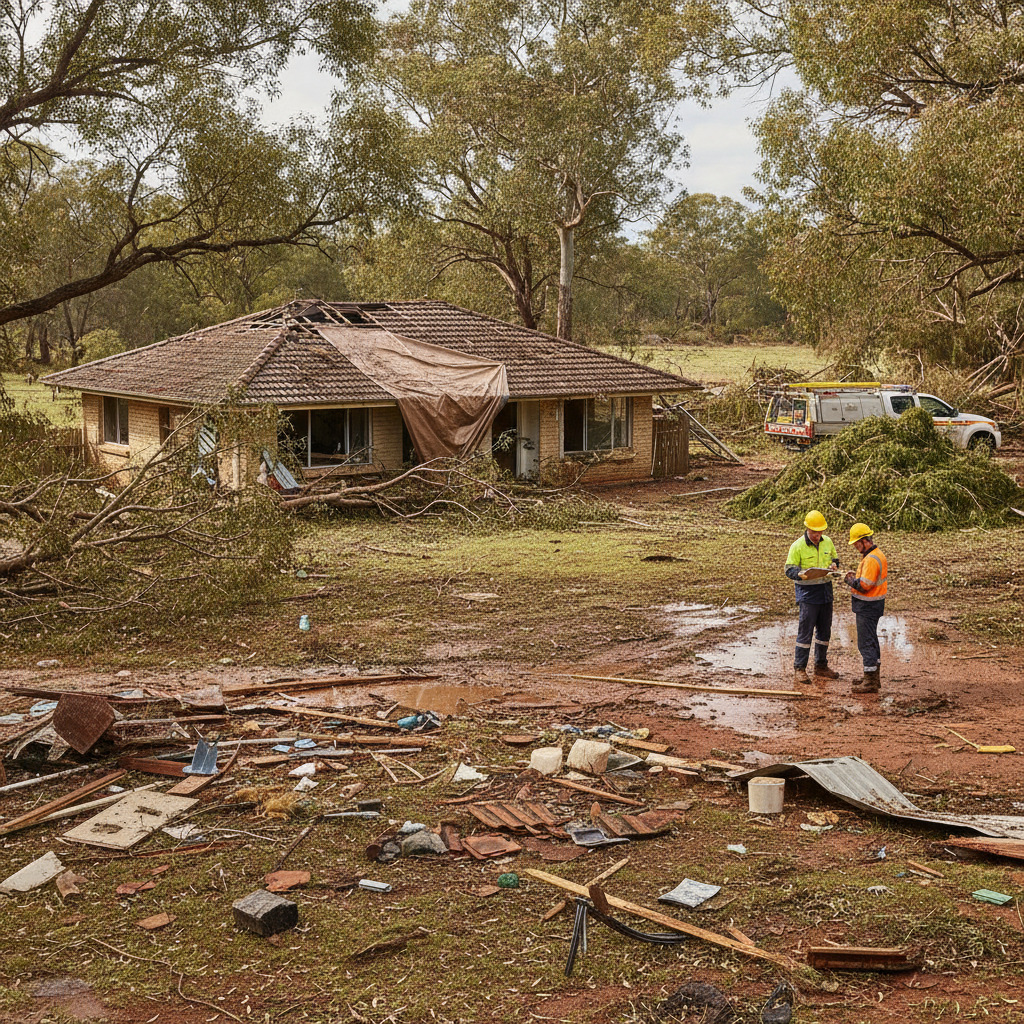
Australian Property Damage: Your Pre-Service Checklist for Restoration
- By, National Restoration Network
- 09 Jun, 2026
Australian Property Damage: Your Pre-Service Checklist for Restoration
Experiencing property damage, whether from a burst pipe, a fierce bushfire, a hidden mould infestation, or a severe storm, is an incredibly stressful and disruptive event. Beyond the immediate shock, property owners in Australia face a daunting task: how to effectively and efficiently restore their homes or businesses to their pre-damage condition. The complexity of damage, the urgency of mitigation, and the potential for secondary issues like structural compromise or health risks necessitate expert intervention.
Choosing the right restoration partner is critical, not just for the immediate cleanup, but for ensuring the long-term health and safety of your property and its occupants. This guide is designed to empower you with the essential knowledge you need before you hire a restoration company. We’ll delve into the nuances of various damage types, outline what constitutes a comprehensive service, and provide a clear checklist of considerations to help you make an informed decision when facing water, fire, mould, or storm damage anywhere in Australia.
Understanding the specific challenges each type of damage presents, and knowing what to expect from a professional service, will ensure you select a provider equipped to deliver thorough, lasting results. With National Restoration Network, you gain access to a team committed to precision, efficiency, and restoring your peace of mind.
Understanding the Scope of Damage Restoration Services
Property damage is rarely a simple issue; it often involves multiple layers of impact requiring specialised knowledge and equipment. Before engaging a restoration company, it’s vital to understand the distinct services they should offer to address specific types of damage comprehensively.
Water Damage Restoration & Flood Damage Repair Australia
Water can be incredibly destructive, whether from a leaking appliance, plumbing failure, or severe weather event leading to widespread flooding. Effective water damage restoration isn't merely about drying; it's a multi-stage process that demands speed and precision. The longer water sits, the greater the risk of structural damage, mould growth, and pervasive odours. When seeking "water damage restoration near me" in an emergency, look for a provider that offers immediate response.
The process typically includes:
- Emergency Water Extraction: Rapid removal of standing water using powerful pumps and vacuums.
- Moisture Mapping and Assessment: Utilising thermal imaging and hygrometers to identify hidden pockets of moisture in walls, floors, and ceilings.
- Drying and Dehumidification: Strategic placement of air movers and industrial dehumidifiers to thoroughly dry affected areas, preventing secondary damage.
- Sanitisation and Deodorisation: Cleaning and disinfecting all affected surfaces to prevent bacterial growth and eliminate odours.
- Structural Drying: Addressing moisture within structural components to prevent rot and deterioration.
Fire Damage Restoration Australia: Beyond the Flames
Fire damage extends far beyond charred surfaces. Smoke, soot, and corrosive by-products can permeate every surface, creating long-lasting odours and potential health hazards. Choosing a specialist for fire damage restoration Australia is paramount, as improper cleaning can exacerbate damage.
Key aspects of fire damage recovery include:
- Emergency Board-Up & Tarping: Securing the property to prevent further damage and theft.
- Soot & Smoke Removal: Specialised cleaning techniques and equipment to remove stubborn soot from various surfaces without causing further abrasion.
- Odour Elimination: Utilising advanced methods like ozone generators, thermal foggers, and air scrubbers to neutralise pervasive smoke odours at a molecular level.
- Content Cleaning & Restoration: Carefully cleaning, deodorising, and restoring salvageable items.
- Structural Repair & Reconstruction: Repairing or rebuilding compromised structural elements.
Mould Remediation Australia: A Hidden Threat
Mould growth is often a secondary effect of water damage, but it can also stem from persistent humidity or leaks. Mould poses significant health risks, from respiratory issues to allergic reactions, and can severely degrade property value. Effective mould remediation Australia is not just about cleaning visible mould; it's about addressing the underlying moisture source.
A professional mould remediation process involves:
- Assessment & Identification: Locating the source of moisture and identifying the type and extent of mould growth.
- Containment: Isolating the affected area using physical barriers and negative air pressure to prevent mould spores from spreading.
- Air Filtration: Using HEPA air scrubbers to capture airborne mould spores.
- Mould Removal: Physically removing mould from surfaces using specialised antimicrobial agents and techniques.
- Drying & Dehumidification: Ensuring all affected areas are thoroughly dried to prevent recurrence.
- Restoration: Repairing or replacing materials damaged by mould.
Storm Damage Restoration Australia: Comprehensive Recovery
Australia's climate can be unforgiving, with cyclones, hailstorms, severe winds, and torrential rains causing extensive property damage. Storm damage restoration Australia encompasses a broad range of services, from immediate emergency response to extensive repairs.
Typical storm damage services include:
- Emergency Services: Tarping damaged roofs, boarding up broken windows, and securing compromised structures to prevent further intrusion.
- Debris Removal: Clearing fallen trees, shattered glass, and other hazardous materials.
- Water Extraction & Drying: Addressing water ingress from rain and flooding, similar to standard water damage protocols.
- Structural Repairs: Repairing or replacing damaged roofs, siding, windows, and other structural components.
- Reconstruction: Rebuilding severely damaged sections of a property.
Key Considerations Before Hiring a Restoration Company
With so much at stake, making an informed choice about your restoration partner is paramount. Here’s a checklist of critical factors to consider:
Certification and Expertise
Restoration is a specialised field. Look for companies whose technicians hold certifications from reputable industry bodies, such as the IICRC (Institute of Inspection, Cleaning and Restoration Certification). These certifications indicate that technicians have undergone rigorous training in areas like water damage restoration, applied structural drying, mould remediation, and fire and smoke restoration. This expertise ensures they understand the science behind property damage and the most effective, safe methods for remediation.
Response Time and Availability
Damage, especially water or fire, doesn't wait for business hours. The speed of response directly impacts the extent of secondary damage. A company offering 24/7 emergency services and a rapid deployment capability is crucial. Ask about their typical response times and their capacity to handle urgent situations across various locations in Australia. Minimising the time between damage occurrence and professional intervention can save thousands in additional repairs.
Comprehensive Service Offerings
Damage often cascades. Water damage can lead to mould, fire can cause water damage from firefighting efforts, and storms can bring both. When evaluating potential restoration partners, consider their service breadth. A provider like National Restoration Network offers end-to-end solutions, encompassing everything from initial damage assessment and mitigation to full-scale repairs and reconstruction. Contrast this with smaller, niche providers who might excel in one area, like water extraction, but require you to source separate contractors for mould remediation or structural repairs, potentially leading to delays and coordination headaches. A single point of contact for diverse needs often streamlines the entire recovery process, saving you time, stress, and potentially money by avoiding multiple contractor mark-ups and scheduling conflicts.
Insurance Claim Assistance
Navigating insurance claims can be complex and frustrating. A reputable restoration company should have experience working with insurance providers. They can assist with documentation, provide accurate estimates, and communicate directly with your insurer, streamlining the claims process and ensuring all eligible damages are covered. This support can significantly reduce your administrative burden during a stressful time.
Transparent Pricing and Communication
Before any work begins, you should receive a clear, detailed estimate outlining all services, costs, and timelines. Be wary of companies that provide vague quotes or demand large upfront payments without a clear scope of work. A professional company will maintain open lines of communication throughout the project, providing regular updates on progress and any unforeseen issues.
Equipment and Technology
Effective restoration relies heavily on advanced equipment. Ask about the technology they use: industrial-grade water extractors, high-capacity dehumidifiers, air scrubbers, thermal imaging cameras, moisture meters, and specialised cleaning agents. The right tools ensure thorough drying, effective mould spore removal, and complete odour elimination, leading to better, more lasting results.
The National Restoration Network Advantage
At National Restoration Network, we understand the profound impact property damage has on individuals and businesses. Our commitment is to provide prompt, professional, and comprehensive restoration services across Australia. With a team of IICRC-certified technicians, state-of-the-art equipment, and a rapid 24/7 response capability, we are equipped to handle any scale of water damage restoration, flood damage repair, fire damage restoration, mould remediation, and storm damage restoration.
We pride ourselves on our holistic approach, managing every aspect of the recovery process from initial assessment and mitigation through to final reconstruction. Our experience working seamlessly with insurance companies further simplifies the journey for our clients, ensuring a smooth and stress-free restoration. When you choose National Restoration Network, you’re not just hiring a service; you’re partnering with a dedicated team committed to restoring your property and your peace of mind with unparalleled expertise and care.
Conclusion
Facing property damage in Australia demands a swift, informed response. By understanding the specific requirements of water damage, fire damage, mould, and storm damage, and by carefully vetting potential restoration partners against a clear set of criteria, you can ensure a successful and lasting recovery. Prioritising certified expertise, rapid response, comprehensive service offerings, transparent communication, and advanced technology will safeguard your property and your investment.
Don't let the stress of property damage overwhelm you. Make an informed decision that will lead to a thorough and professional restoration. For reliable, professional, and comprehensive restoration services across Australia, trust the experts. Visit the National Restoration Network website today to learn more about our services or request an urgent assessment for your property.