
Swift Water Damage Restoration and Mould Remediation Expertise Safeguarding Australian Properties
- By, National Restoration Network
- 07 May, 2026
Swift Water Damage Restoration and Mould Remediation Expertise Safeguarding Australian Properties
Australia’s diverse climate, from its sun-drenched coasts to its storm-prone interiors, unfortunately means that homes and businesses across the continent are frequently exposed to the devastating impact of water damage. Whether it stems from a sudden burst pipe, an overflowing appliance, or the widespread destruction of a major flood event, water intrusion demands immediate and professional attention. Failing to address water damage swiftly and effectively can lead to more extensive structural problems, compromised indoor air quality, and the insidious growth of mould, turning a manageable problem into a costly and dangerous ordeal. This comprehensive guide explores the critical aspects of water damage restoration, emergency response, flood recovery, and mould remediation tailored for the unique challenges faced by Australian properties.
The Urgent Need for Professional Water Damage Restoration Australia
Water damage is a pervasive threat, impacting countless properties each year. In Australia, the causes are as varied as the landscape itself. Domestic incidents like faulty plumbing, leaking roofs, or appliance malfunctions are common culprits, often leading to localised but significant damage. However, the country's susceptibility to severe weather events – from torrential downpours and cyclones in the north to flash floods and storm surges in coastal regions – means that large-scale water damage is a frequent and devastating reality. When water invades a property, the clock starts ticking. Within hours, porous materials like drywall, timber, and insulation begin to absorb water, swelling, warping, and losing structural integrity. Prolonged moisture creates an ideal breeding ground for bacteria and mould, further compounding the damage and posing significant health risks.
The immediate aftermath of water intrusion often leaves property owners scrambling for solutions, searching for "water damage restoration near me" in a moment of crisis. The availability of local, rapid-response services is paramount. Professional water damage restoration Australia involves a meticulous multi-step process. It begins with a thorough assessment of the damage, identifying the source of the water, categorising the type of water (clean, grey, or black), and determining the extent of saturation. Following this, powerful industrial-grade pumps and vacuum systems are deployed for efficient water extraction, removing standing water and moisture from carpets, floors, and other affected surfaces. This crucial first step significantly reduces drying times and mitigates the potential for secondary damage. Without expert intervention, what might seem like a minor leak can quickly escalate into a catastrophic problem, compromising the safety and habitability of your property.
Emergency Water Damage Restoration – When Every Second Counts
Certain water damage scenarios transcend the realm of routine repairs and demand immediate, emergency water damage restoration. A burst main pipe, severe storm flooding, or a major sewage backup are not just inconveniences; they are immediate threats to property structure, electrical systems, and occupant health. In these critical situations, the speed of response directly correlates with the success of the restoration effort and the minimisation of overall costs. Every hour that passes without professional intervention allows water to penetrate deeper into materials, increases the risk of structural compromise, and significantly accelerates mould growth.
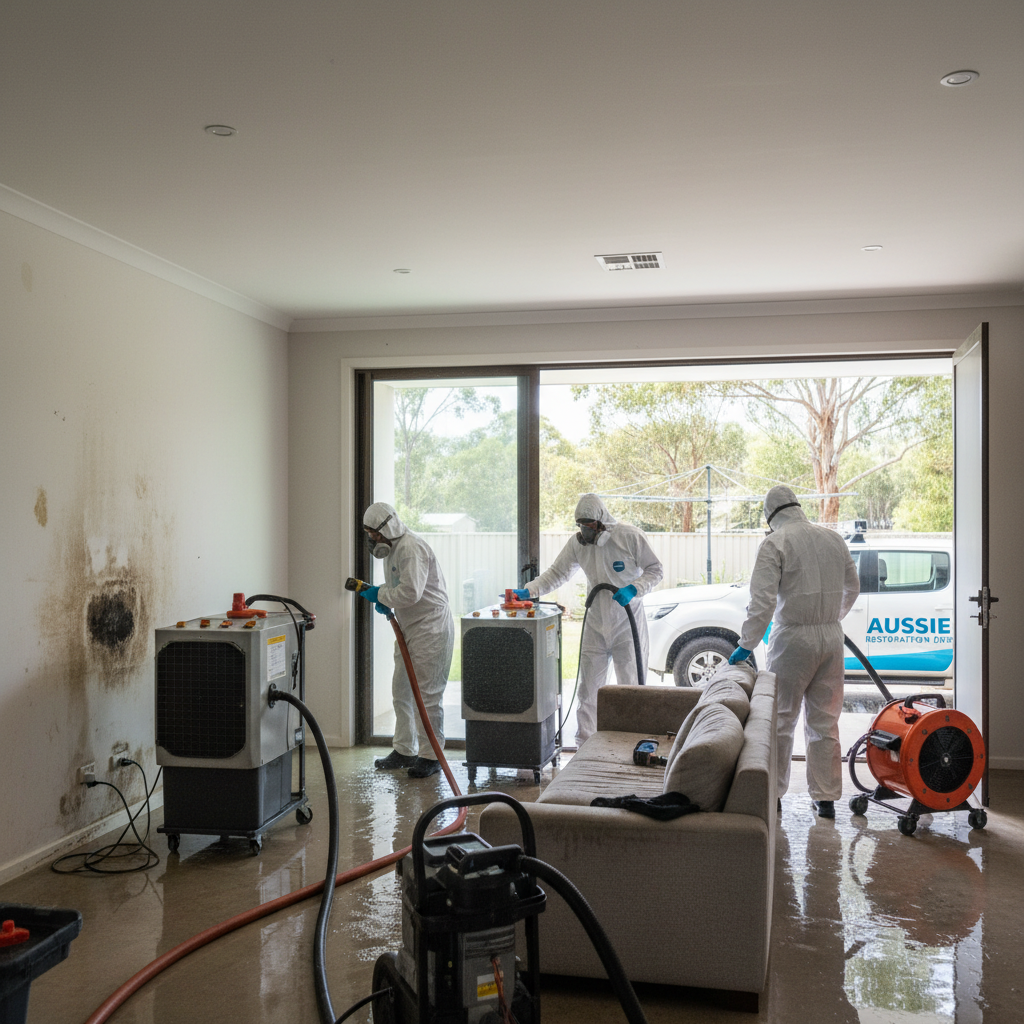
Emergency restoration teams are equipped to respond 24/7, arriving on-site with advanced tools and expertise. Their initial focus is on containing the damage, stopping the water source if possible, and ensuring the safety of the occupants. This often involves shutting off power, identifying potential hazards, and implementing immediate water extraction. High-powered dehumidifiers, air movers, and specialised drying equipment are then strategically placed to create optimal drying conditions, targeting hidden pockets of moisture that might otherwise lead to long-term issues. The goal of emergency water damage restoration is not just to remove water, but to restore the affected environment to its pre-damage condition as quickly and safely as possible, preventing further deterioration and enabling a smoother, more efficient overall recovery process.
Navigating the Complexities of Flood Restoration Australia
Australia's geography and climate make it particularly vulnerable to severe flooding, from flash floods in urban areas to widespread riverine flooding in regional communities. Unlike other forms of water damage, floodwaters often carry significant contaminants, including sewage, chemicals, and debris, classifying them as "black water." This necessitates a far more rigorous and specialised approach to restoration. National Restoration Network understands that proper flood restoration Australia requires not only extensive drying but also thorough sanitisation and decontamination to ensure the property is safe for re-occupation.
The flood restoration process typically involves several critical stages. After the initial water extraction, affected porous materials that cannot be salvaged, such as carpets, underlay, drywall, and insulation, must be carefully removed and disposed of according to strict health and safety protocols. The remaining structural elements are then deep cleaned and disinfected using powerful antimicrobial agents to eradicate bacteria, viruses, and other pathogens carried by floodwaters. Following this, industrial-grade drying equipment is used for comprehensive structural drying, carefully monitoring moisture levels in walls, floors, and subfloors. Finally, deodorisation treatments are applied to eliminate lingering odours. The complexities of flood damage, coupled with the potential for widespread devastation, underscore the absolute necessity of engaging highly experienced and certified professionals who can manage the entire restoration process, including liaising with insurance companies, to ensure a complete and safe recovery.
Tackling the Insidious Threat of Mould Remediation Australia
One of the most insidious and damaging consequences of unresolved water intrusion is the growth of mould. Mould spores are ubiquitous in our environment, but they only thrive when provided with moisture and an organic food source – conditions that are perfectly met in a water-damaged property. If water damage is not thoroughly dried within 24-48 hours, mould colonies can begin to proliferate, often in hidden areas like inside wall cavities, under flooring, or within ceilings. The presence of mould is not just an aesthetic problem; it poses significant health risks, particularly for individuals with allergies, asthma, or compromised immune systems. Symptoms can range from respiratory issues, skin irritation, and headaches to more severe allergic reactions.
Furthermore, mould actively degrades the materials it grows on, leading to structural damage and a pervasive musty odour that can permeate an entire property. DIY mould removal is often ineffective and can even exacerbate the problem by spreading spores. Professional mould remediation Australia involves a comprehensive approach that goes beyond surface cleaning. It starts with identifying and rectifying the moisture source to prevent recurrence. Containment measures are then put in place to prevent the spread of spores during removal. Using specialised equipment and techniques, trained technicians safely remove mould-contaminated materials, clean and sanitise affected areas, and utilise HEPA air scrubbers to filter airborne mould spores. Post-remediation verification testing ensures that the mould has been effectively eradicated, restoring a healthy and safe indoor environment.
Why Choose Professional Restoration Services?
When faced with water damage, flood devastation, or mould infestation, the temptation to handle the problem yourself or delay action can be strong. However, the complexities and potential long-term consequences far outweigh any perceived short-term savings. Professional restoration services offer unparalleled expertise, equipment, and efficiency that are simply not available to the average property owner. Experts possess a deep understanding of water damage categories, drying science, and mould growth patterns, allowing them to formulate the most effective and safest remediation strategies.
They utilise state-of-the-art equipment, including industrial-strength extractors, high-volume air movers, low-grain refrigerant dehumidifiers, thermal imaging cameras, and moisture meters, to thoroughly dry properties and detect hidden moisture. This advanced technology ensures that every trace of moisture is removed, preventing secondary damage and future mould growth. Moreover, professional teams adhere to strict health and safety protocols, protecting both themselves and the occupants from contaminated water, mould spores, and structural hazards. They can also provide invaluable assistance with insurance claims, documenting the damage and the restoration process to facilitate a smoother and more successful outcome. Ultimately, investing in professional restoration is an investment in the long-term health, safety, and value of your property.
Safeguarding Your Australian Property with Expert Restoration
The challenges presented by water damage, floods, and mould are significant, but they are not insurmountable. Across Australia, property owners have a reliable partner in professional restoration services, ready to respond with urgency, expertise, and advanced technology. Whether it’s an unexpected leak, a major flooding event, or the discovery of mould, swift and decisive action is the key to mitigating damage, protecting health, and restoring peace of mind.
By understanding the critical importance of emergency response, specialised flood restoration techniques, and comprehensive mould remediation protocols, you can ensure that your home or business receives the highest standard of care. Don't let water damage compromise your property or your health. For comprehensive and reliable water damage, flood, and mould remediation services anywhere in Australia, trust the experts. Contact National Restoration Network today to safeguard your property and secure a swift, effective recovery.