
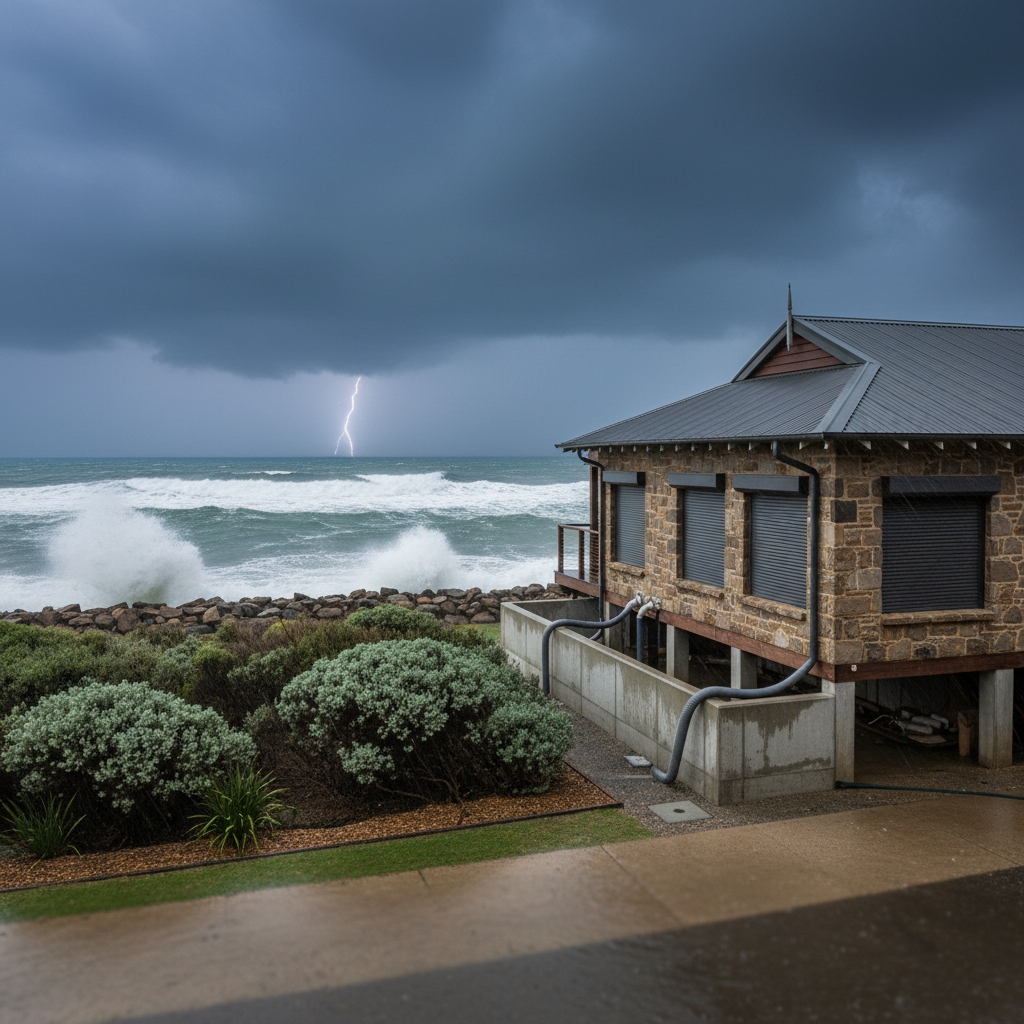
Safeguarding Australian Properties from Water Damage and Storm Devastation
- By, National Restoration Network
- 27 Apr, 2026
Safeguarding Australian Properties from Water Damage and Storm Devastation
Australia, a land of stunning natural beauty, is also a continent prone to extreme weather events. From the devastating impacts of cyclones and severe thunderstorms to the insidious threat of burst pipes and hidden leaks, water damage poses a significant risk to homes and businesses nationwide. When water intrudes, the clock starts ticking, and the need for prompt, professional intervention becomes paramount. Understanding the intricacies of water damage restoration Australia-wide is not just about cleaning up; it's about protecting property, health, and peace of mind from the immediate and long-term consequences of water intrusion.
Whether you're facing the aftermath of a widespread flood or a localised plumbing emergency, the principles of effective water damage restoration remain critical. This comprehensive guide delves into the challenges presented by water damage in Australia, the urgency of emergency response, and what to look for when seeking reliable restoration services to protect your property against moisture-related devastation.
The Pervasive Threat of Water Damage Across Australia
Water damage isn't a singular event; it manifests in various forms, each presenting unique challenges. In Australia, the causes can range from common household accidents to large-scale natural disasters:
- Plumbing Failures: Burst pipes, leaking hot water systems, overflowing toilets, and faulty appliances are common culprits that can cause significant damage in a short period.
- Roof Leaks: Damaged roofing, blocked gutters, or deteriorated flashing can allow rainwater to seep into ceilings, walls, and insulation.
- Groundwater Seepage: Heavy rainfall can saturate the ground, leading to water penetrating foundations and basements.
- Natural Disasters: Cyclones, severe thunderstorms, and prolonged periods of heavy rain frequently lead to widespread flooding, making flood restoration Australia a critical service. These events can cause extensive property damage, contaminate interiors with stormwater, and create hazardous conditions.
The unique climatic conditions across Australia, including tropical wet seasons, intense storms, and unpredictable weather patterns, mean that properties are constantly at risk. Addressing water damage promptly is crucial, not only to prevent immediate structural harm but also to mitigate the risk of secondary damage like mould growth, which can develop within 24-48 hours and pose serious health risks.
The Immediate Threat: Why Emergency Water Damage Restoration is Critical
When water damage strikes, time is of the essence. The longer water sits, the more extensive and costly the damage becomes. This is why emergency water damage restoration services are non-negotiable. A rapid response can make the difference between minor repairs and major reconstruction.
Here’s why immediate action is vital:
- Preventing Further Damage: Standing water quickly compromises building materials, weakens structures, and can lead to electrical hazards. Rapid extraction minimises this deterioration.
- Mould Prevention: Mould thrives in damp environments. Professional drying and dehumidification within the first 24-48 hours are crucial to prevent mould spores from taking hold and spreading, protecting both property and occupant health.
- Mitigating Contamination: Floodwaters, sewage backups, and even prolonged exposure to clean water can introduce contaminants and pathogens into a property. Emergency response includes sanitation protocols to make the environment safe again.
- Saving Valuables: Quick action can save furniture, documents, electronics, and sentimental items from irreversible damage.
When faced with water intrusion, the immediate thought is often “who can provide water damage restoration near me?” The proximity and availability of a professional service can significantly impact the outcome, ensuring that help arrives when it’s needed most.
Finding Reliable Water Damage Restoration Near You
In a crisis, the ability to find dependable water damage restoration near me is a top priority. While proximity is important for a quick response, it’s equally vital to choose a service that offers comprehensive, professional, and certified restoration. Look for providers who meet the following criteria:
- 24/7 Availability: Water emergencies don't adhere to business hours. A reliable restorer will offer round-the-clock service.
- Rapid Response Time: The best companies understand the urgency and aim to be on-site quickly, often within hours of your call.
- Certified Technicians: Ensure technicians are certified by industry bodies like the Institute of Inspection, Cleaning and Restoration Certification (IICRC). This guarantees they follow industry best practices.
- Advanced Equipment: Professional restoration requires specialised tools for water extraction, drying, dehumidification, and moisture detection.
- Insurance Expertise: A good restoration company will assist with the insurance claims process, making a stressful situation a little easier.
For those in Australia, a network like National Restoration Network can connect you with qualified local experts, ensuring that you receive consistent, high-quality service regardless of your location, backed by national standards and resources.
The Professional Water Damage Restoration Process Explained
Effective water damage restoration is a multi-step process that goes far beyond simple drying. It requires a systematic approach to ensure thorough remediation and prevent future issues. Here’s a typical breakdown:
Assessment and Inspection
The first step involves a detailed assessment of the damage. Technicians use advanced moisture detection equipment to identify the extent of water intrusion, including hidden pockets of moisture within walls, ceilings, and flooring. They classify the water category (clean, grey, or black) and the severity of the damage, which dictates the restoration protocols.
Water Extraction
Using powerful pumps and vacuums, all standing water is quickly removed from the property. This step is critical in preventing further saturation of materials and speeding up the drying process. The efficiency of water extraction directly impacts the success of subsequent drying efforts.
Drying and Dehumidification
Once visible water is removed, the focus shifts to thoroughly drying the affected areas and materials. Industrial-strength air movers and dehumidifiers are strategically placed to circulate dry air and pull moisture from structural elements. Monitoring humidity levels and moisture content is continuous to ensure materials are dried back to safe, pre-damage levels, crucial for preventing mould.
Cleaning and Sanitizing
Depending on the water source, cleaning and sanitisation are often necessary. This involves cleaning salvageable items and surfaces, as well as applying antimicrobial treatments to prevent mould and bacterial growth. Odour removal treatments may also be employed.
Restoration and Repairs
The final phase involves restoring the property to its pre-damage condition. This can range from minor repairs like replacing drywall and flooring to more extensive reconstruction work. A comprehensive restoration service will manage this entire process, ensuring a seamless transition from disaster to recovery.
Specialised Restoration Services for Australia’s Unique Challenges
Australia faces specific large-scale water challenges that demand specialised expertise, particularly in the wake of natural disasters. Flood restoration Australia and storm damage restoration Australia are critical services that require a deeper level of intervention due to the nature of the water and the extent of the damage.
Flood Restoration Australia
Flooding, whether from overflowing rivers or torrential downpours, often involves highly contaminated "black water" which carries pathogens, chemicals, and debris. Flood restoration requires stringent safety protocols, extensive sanitisation, and often the removal of porous materials that cannot be safely cleaned. This is a complex process best handled by professionals equipped to deal with biohazards and widespread saturation.
Storm Damage Restoration Australia
Storms bring a combination of wind, rain, and sometimes hail, leading to multifaceted damage. Roof breaches, shattered windows, and structural compromise can allow massive water ingress. Storm damage restoration Australia involves not just water extraction and drying, but also securing the property, debris removal, and often extensive structural repairs. The coordination required for such large-scale events demands experienced teams and robust logistical support.
Choosing Your Trusted Partner for Water Damage Restoration Australia
Navigating the aftermath of water damage can be overwhelming, but with the right restoration partner, the path to recovery can be significantly smoother. When selecting a company for water damage restoration Australia-wide, prioritise those that offer a comprehensive, rapid, and professional service.
A reputable provider will not only possess the necessary certifications and equipment but also demonstrate a commitment to customer service, transparent communication, and efficient project management. For a reliable and nationally supported solution, consider reaching out to a network of trusted professionals like the National Restoration Network, who can provide immediate assistance and expert guidance through every stage of the restoration process, ensuring your property is returned to its pre-damage state with minimal stress and maximum efficiency.
By understanding the risks, acting swiftly, and partnering with certified experts, you can effectively mitigate the impact of water damage and safeguard your Australian property against future threats.