
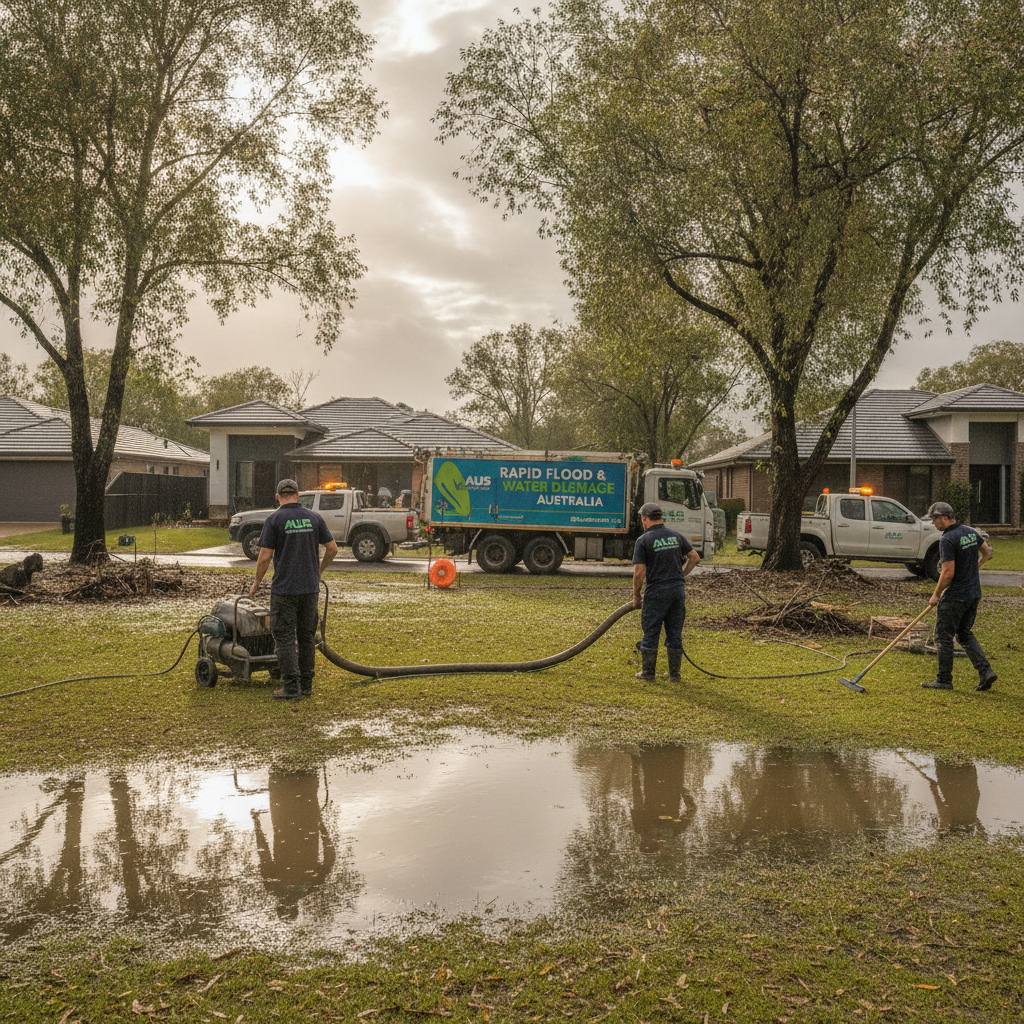
Rapid Water Damage Restoration and Flood Cleanup Services Across Australia
- By, National Restoration Network
- 22 Jun, 2026
Rapid Water Damage Restoration and Flood Cleanup Services Across Australia
Water damage is an unwelcome and often devastating event for property owners across Australia. From burst pipes and overflowing appliances to severe storms and widespread flooding, the impact can range from minor inconvenience to significant structural compromise and health hazards. When water invades your home or business, swift and professional intervention is not just recommended; it's absolutely critical to mitigate damage, prevent long-term issues like mould growth, and protect your investment. Understanding the immediate steps and the comprehensive solutions offered by expert services in water damage restoration Australia is essential for anyone facing this challenging situation.
The Critical Importance of Immediate Water Damage Response
The clock starts ticking the moment water enters your property. Within hours, clean water can become contaminated, and within 24-48 hours, mould can begin to form, posing serious health risks and further damaging materials. Delayed action significantly escalates the cost and complexity of repairs, making emergency water damage restoration a non-negotiable service. Ignoring water damage can lead to:
- Structural Deterioration: Water weakens building materials like drywall, timber, and insulation, compromising the integrity of your property.
- Mould and Mildew Growth: Damp environments are breeding grounds for mould, which can cause respiratory problems, allergic reactions, and unpleasant odours.
- Electrical Hazards: Water near electrical outlets and wiring creates dangerous conditions, increasing the risk of short circuits and fires.
- Property Loss: Irreplaceable items such as documents, electronics, and furniture can be permanently damaged or destroyed.
- Reduced Property Value: Lingering issues from unaddressed water damage can significantly devalue your property.
This is precisely why prompt action, often requiring emergency flood cleanup Australia, is the cornerstone of effective recovery. Professionals are equipped to respond rapidly, assess the situation, and initiate the drying and restoration process before secondary damage takes hold.
Comprehensive Water Damage Restoration Near Me
When searching for "water damage restoration near me" in Australia, you're looking for a service that offers a full spectrum of solutions, from initial assessment to final restoration. A reputable restoration company provides a systematic approach to ensure every aspect of the damage is addressed. This multi-stage process is vital for successful recovery:
Initial Assessment and Damage Categorisation
The first step involves a thorough inspection of the affected area. Technicians identify the source of the water, stop it if active, and categorise the water damage based on the level of contamination and the extent of the impact. This assessment dictates the specific methods and equipment required for effective restoration. Water is generally categorised into three types:
- Category 1 (Clean Water): Originates from a sanitary source (e.g., burst pipe, overflowing sink). While initially clean, it can quickly degrade if left untreated.
- Category 2 (Grey Water): Contains some contaminants (e.g., washing machine overflow, toilet bowl with urine). Poses a moderate health risk.
- Category 3 (Black Water): Highly contaminated and unsanitary (e.g., sewage backup, river flooding). Contains pathogenic agents and requires extreme caution and specialised handling.
Accurate categorisation is crucial for determining the appropriate safety protocols and restoration techniques.
Water Extraction and Moisture Removal
Once the assessment is complete, the most immediate task is to remove standing water. High-powered pumps and industrial-strength wet vacuums are used to extract as much water as possible from carpets, flooring, and other surfaces. This step alone can prevent significant long-term damage and halt the progression of mould growth. Following extraction, the focus shifts to removing hidden moisture.
Drying and Dehumidification
Even after visible water is removed, moisture can linger in porous materials, walls, and subflooring. Professional restorers utilise industrial-grade air movers, dehumidifiers, and thermal imaging cameras to thoroughly dry out the affected areas. This process is meticulously monitored to ensure optimal humidity levels are restored, preventing warping, swelling, and further mould development. Proper drying is perhaps the most critical stage in preventing secondary damage.
Cleaning, Sanitising, and Deodorising
Water-damaged materials often require thorough cleaning and sanitisation, especially if the water was contaminated. This involves using specialised antimicrobial treatments to eliminate bacteria, viruses, and mould spores. Deodorising agents are then applied to remove any lingering musty odours, leaving the property fresh and clean. This stage is particularly vital for flood restoration Australia projects where contaminated water is almost always involved.
Restoration and Repairs
The final phase involves restoring the property to its pre-damage condition. This can range from minor repairs like replacing drywall and flooring to more extensive structural reconstruction. Experienced restoration teams can handle everything from carpentry and painting to installing new insulation, ensuring a seamless return to normalcy. This holistic approach means you won't have to coordinate multiple contractors.
Addressing Flood Restoration Australia Specifics
Australia's diverse climate, from tropical north to arid interior and temperate south, makes it susceptible to a range of severe weather events, including cyclones, torrential rain, and riverine flooding. Flood restoration Australia services are uniquely geared towards handling the extensive and often highly contaminated nature of floodwaters.
Flood damage typically falls under Category 3 water, meaning it carries significant health risks due to sewage, chemicals, and other dangerous microorganisms. This necessitates more aggressive cleaning and sanitisation protocols, including the safe disposal of porous materials that cannot be adequately disinfected. Emergency flood cleanup Australia operations are often large-scale, requiring substantial resources and coordination to address widespread damage across entire communities.
Key considerations for flood restoration include:
- Biohazard Contamination: Extensive use of personal protective equipment (PPE) and specialised disinfectants to ensure the safety of technicians and future occupants.
- Structural Integrity Checks: Floodwaters can severely compromise foundations and structural elements, requiring expert assessment and potential structural repairs before other restoration work begins.
- Sediment and Debris Removal: Floods often leave behind significant amounts of mud, silt, and debris, which must be safely and thoroughly removed.
- Contents Restoration: Salvaging personal belongings is a crucial part of flood restoration, often involving off-site cleaning and drying of furniture, textiles, and other items.
Choosing a company well-versed in the specific challenges of Australian floods, like the National Restoration Network, ensures your property receives the most appropriate and effective treatment.
Choosing Your Emergency Water Damage Restoration Partner
When disaster strikes, the choice of your restoration partner is paramount. You need a team that is not only skilled and experienced but also available 24/7, understanding the urgency of your situation. Here’s what to look for:
- 24/7 Emergency Service: Water damage doesn't adhere to business hours, so your restoration company shouldn't either.
- Certified Technicians: Look for certifications from industry bodies like the Institute of Inspection, Cleaning and Restoration Certification (IICRC), ensuring technicians are trained in the latest restoration techniques and safety protocols.
- Advanced Equipment: A professional team will use state-of-the-art equipment for water extraction, drying, dehumidification, and moisture detection.
- Insurance Liaison: A reputable company can help you navigate the often-complex insurance claims process, providing detailed documentation and working directly with your insurer.
- Proven Track Record: Check for testimonials and reviews to ensure they have a history of satisfied customers and successful restorations.
The National Restoration Network exemplifies these qualities, offering comprehensive, rapid-response services across Australia. Their commitment to excellence and understanding of local conditions make them a trusted ally in the face of water-related emergencies.
Conclusion
Water damage is a serious threat to any property, but with rapid and professional intervention, its devastating effects can be minimised. Whether you're dealing with a minor leak or widespread flood restoration Australia, the key to a successful recovery lies in immediate action and partnering with experienced experts. Don't underestimate the power of swift emergency water damage restoration to save your property, protect your health, and restore your peace of mind. For reliable, efficient, and comprehensive services, reach out to the National Restoration Network, your trusted partner in navigating the challenges of water damage across Australia.