
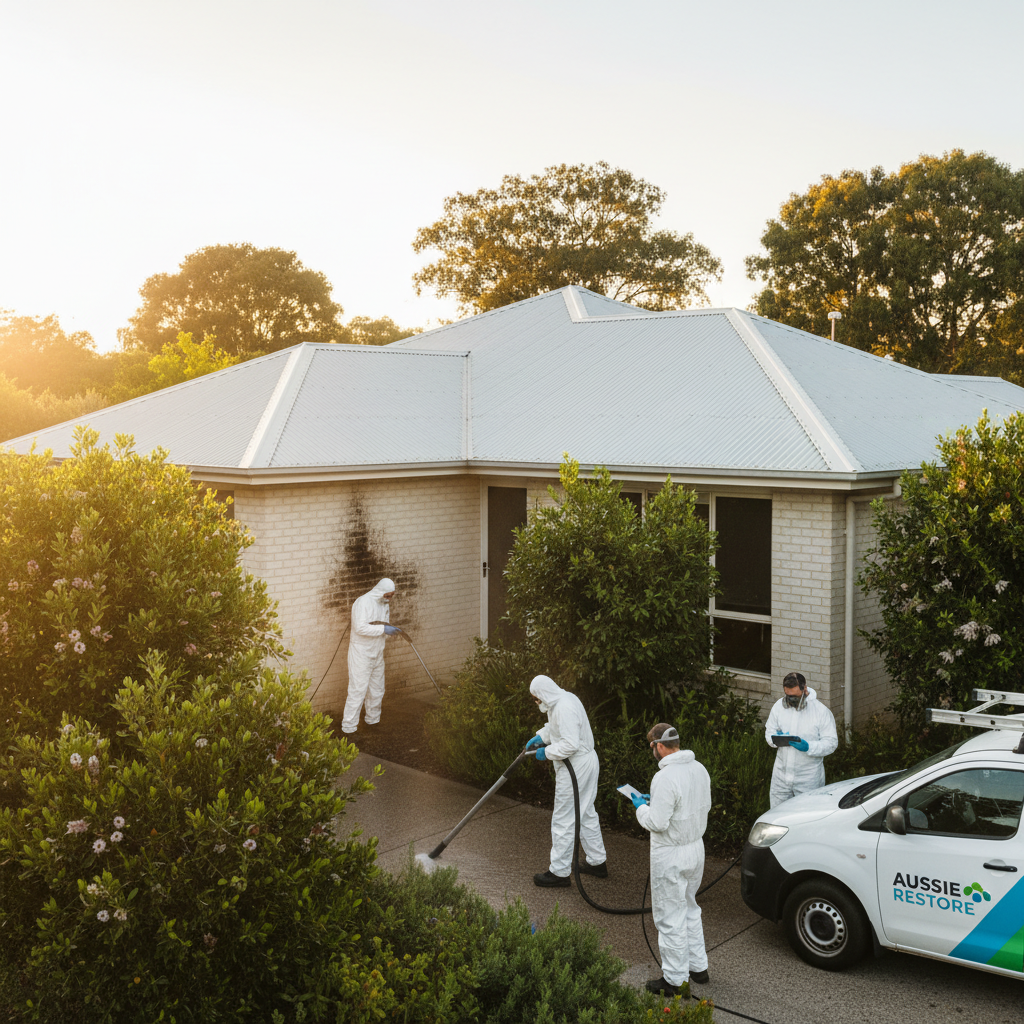
Protecting Australian Properties with Expert Water Damage and Mould Restoration Services
- By, National Restoration Network
- 06 May, 2026
Protecting Australian Properties with Expert Water Damage and Mould Restoration Services
Water damage is a pervasive and often devastating problem for homeowners and businesses across Australia. From the sudden fury of a flood to the insidious drip of a burst pipe, the consequences can be far-reaching, impacting structural integrity, personal belongings, and even the health of occupants. When disaster strikes, the immediate aftermath can feel overwhelming, but understanding the crucial steps for effective water damage restoration Australia is vital for mitigating long-term harm. This comprehensive guide will walk you through the complexities of dealing with water intrusion, the urgency of emergency response, and the critical role of professional mould remediation Australia, ensuring you know how to protect your property and peace of mind.
The Pervasive Threat of Water Damage Across Australia
Australia's diverse climate, from tropical storms in the north to flash floods in urban centres and coastal erosion, means that properties are constantly at risk of water-related incidents. Beyond natural disasters, everyday occurrences like plumbing failures, appliance malfunctions, and roof leaks contribute significantly to the problem. What might seem like a minor leak can quickly escalate into a major issue, saturating building materials, creating humid environments, and fostering the perfect conditions for secondary damage. The longer water sits untreated, the greater the potential for irreversible damage to walls, floors, ceilings, and foundations, not to mention the extensive loss of personal possessions and business assets. This highlights why rapid, professional intervention is not merely a convenience but an absolute necessity for effective water damage restoration.
Why Immediate Action is Crucial for Water Damage
The clock starts ticking the moment water enters your property. Within minutes, water can spread rapidly, soaking into carpets, drywall, and wooden structures. Within hours, porous materials begin to swell, warp, and break down, while furniture can become stained or damaged. After 24-48 hours, the risk of mould growth becomes extremely high, posing significant health risks and further complicating the restoration process. This rapid deterioration underscores the importance of emergency water damage restoration services. A swift response minimizes the extent of the damage, reduces restoration costs, and significantly improves the chances of salvaging affected items. Professional teams understand this urgency and are equipped to respond immediately, preventing minor incidents from becoming catastrophic events.
The Hidden Dangers of Untreated Water Damage
Beyond the visible destruction, untreated water damage harbors several hidden dangers. Structural compromise is a significant concern, as prolonged moisture can weaken wooden beams, corrode metal components, and degrade concrete. Electrical hazards are also paramount; standing water and damp conditions can create dangerous short circuits or electrocution risks. Furthermore, stagnant water can become a breeding ground for bacteria and other pathogens, leading to unsanitary conditions. However, one of the most insidious threats is mould. Mould spores are ubiquitous, and when introduced to moisture and organic materials (like drywall, wood, or fabric), they can rapidly colonise, spreading throughout the property. Mould not only causes unpleasant odours and further structural decay but also poses serious health risks, including respiratory issues, allergies, and other adverse reactions, making professional intervention for mould remediation Australia essential.
The Critical Steps of Emergency Water Damage Restoration
When you require water damage restoration near me, a systematic and professional approach is paramount. The process typically begins with an initial assessment to determine the category of water (clean, grey, or black) and the extent of the damage. This informs the entire restoration strategy. The next crucial step is water extraction. High-powered pumps and industrial-strength wet vacuums are used to remove standing water swiftly and efficiently. The faster water is extracted, the less time it has to penetrate materials and cause further damage. Following extraction, the focus shifts to drying and dehumidification. Specialized air movers and dehumidifiers are strategically placed to thoroughly dry affected areas and reduce ambient humidity, preventing secondary damage and inhibiting mould growth. This meticulous drying process is critical for restoring the property to a safe and dry state.
Swift Response Time is Key for Flood Restoration Australia
In the event of significant water intrusion, such as a major storm or a burst main, the need for rapid flood restoration Australia becomes even more pronounced. Floodwaters often carry contaminants, classifying them as "black water," which requires more intensive cleaning and sanitisation protocols. An emergency response team can arrive quickly, assess the situation, and begin the critical steps of water extraction and debris removal. This immediate action is vital for preventing further contamination, minimizing structural damage, and initiating the drying process as soon as possible. Professional restorers have the necessary equipment and expertise to handle large-scale water removal and drying operations, ensuring that the property is returned to its pre-loss condition safely and efficiently.
Preventing and Addressing Mould Growth After Water Damage
Even after water has been removed and the area dried, the threat of mould remains. Mould can begin to grow within 24 to 48 hours of water exposure if moisture and organic food sources are present. It often thrives in hidden areas, such as behind walls, under flooring, or in ceiling cavities, making it difficult to detect without professional equipment. Early detection and professional mould remediation Australia are essential to protect both property and health. Attempting to clean mould yourself without proper training and equipment can be ineffective and potentially expose you to harmful spores. Professional mould remediation involves containing the affected area, removing mould-infested materials, thoroughly cleaning and sanitising surfaces, and applying preventative treatments to inhibit future growth. This comprehensive approach ensures that your property is not only dry but also free from the health hazards associated with mould.
Professional Mould Remediation Techniques
Effective mould remediation goes beyond simple cleaning. It involves a multi-stage process designed to safely and thoroughly eliminate mould colonies and prevent their return. This typically includes source identification to address the root cause of moisture, containment of the affected area to prevent spore spread, air filtration using HEPA filters to capture airborne spores, and the safe removal of contaminated materials. Surfaces are then meticulously cleaned and disinfected using specialized antimicrobial agents. Finally, the area is dried and often treated with mould-resistant coatings or sealants. This detailed and rigorous process, carried out by certified professionals, ensures that your property is restored to a healthy and safe environment, safeguarding the well-being of its occupants.
Choosing the Right Partner for Water and Flood Restoration Australia
When faced with water damage, selecting the right restoration company is paramount. You need a team that is not only experienced and well-equipped but also understands the unique challenges presented by Australian conditions. Look for companies that offer 24/7 emergency services, as water damage doesn't adhere to business hours. Ensure they are certified by industry bodies, indicating adherence to high standards of practice and safety. A reputable company will provide a detailed assessment, transparent quotes, and comprehensive services covering everything from water extraction and drying to sanitisation and structural repairs. For reliable and expert water damage restoration Australia, a trusted network like the National Restoration Network offers peace of mind through its extensive reach and consistent quality of service.
What to Look for in a Restoration Company
When searching for water damage restoration near me, consider several key factors. Firstly, check for proper licensing, insurance, and certifications (e.g., IICRC). These credentials ensure that the company operates professionally and follows industry best practices. Secondly, evaluate their experience, particularly with the type of damage you've sustained (e.g., flood, burst pipe, sewage backup). A company with a proven track record will have the expertise to handle complex situations. Thirdly, inquire about their equipment and technology; modern, high-grade equipment leads to more efficient and effective restoration. Finally, customer reviews and testimonials can offer valuable insights into a company's reliability, communication, and overall service quality. Choosing a reputable and comprehensive service provider like the National Restoration Network ensures you receive top-tier service from qualified professionals who are committed to restoring your property.
Conclusion
Water damage, whether from a sudden flood or a hidden leak, presents a significant threat to properties across Australia. The key to minimizing its impact lies in swift, decisive, and professional action. From immediate water extraction and thorough drying to expert mould remediation Australia, every step in the restoration process is critical for protecting your property's structural integrity and the health of its occupants. By understanding the urgent need for emergency response and knowing how to select a qualified restoration partner, you can navigate these challenging situations with confidence. Investing in professional water damage restoration Australia ensures that your home or business is returned to a safe, dry, and healthy condition, safeguarding your investment for the long term.