
Navigating Water Damage and Flood Restoration Challenges Across Australia
- By, National Restoration Network
- 26 Apr, 2026
Navigating Water Damage and Flood Restoration Challenges Across Australia
Australia, with its diverse climate and often unpredictable weather patterns, faces significant challenges from water damage and flooding. From sudden torrential downpours and cyclonic events to burst pipes and appliance malfunctions, the impact of water on homes and businesses can be devastating. When water intrudes, it doesn't just wet surfaces; it initiates a cascade of potential issues, from structural compromise and property destruction to the insidious growth of mould. Understanding the critical importance of swift and professional intervention is paramount for property owners nationwide. This comprehensive guide explores the nuances of water damage, flood restoration, and mould remediation across Australia, highlighting why immediate action and expert assistance are not merely recommended but essential.
Understanding Water Damage Restoration Australia Needs
Water damage isn't a singular event; it's a spectrum of issues arising from various sources, each demanding a specific approach to mitigation and repair. In Australia, common culprits range from severe weather events like flash floods and tropical cyclones, particularly in northern and coastal regions, to more mundane but equally destructive incidents such as plumbing leaks, overflowing washing machines, or hot water system failures. Regardless of the source, the immediate aftermath of water intrusion is critical. Porous materials like drywall, timber, and insulation quickly absorb water, leading to swelling, warping, and weakening. Electrical systems can be compromised, posing serious safety hazards, and personal belongings can be irreparably damaged.
The Australian climate, with its often high humidity, exacerbates the problem, creating an ideal breeding ground for microbial growth if moisture isn't thoroughly removed. This is where professional water damage restoration Australia services become indispensable. These experts possess the knowledge, equipment, and experience to assess the extent of the damage, identify all affected areas – even those not immediately visible – and implement a strategic plan for water extraction, drying, and dehumidification. Their rapid response is crucial in preventing secondary damage, such as structural decay and mould proliferation, which can escalate repair costs and health risks significantly.
Why Emergency Water Damage Restoration Can’t Wait
The clock starts ticking the moment water enters your property. Every hour that passes without professional intervention increases the severity of the damage and the complexity of the restoration process. This is why emergency water damage restoration is not just a service but a critical lifeline for property owners. Within the first 24-48 hours, water can seep deep into structural components, furniture, and personal items, making them harder to salvage. Materials like wood and plasterboard begin to swell and warp, and the risk of mould growth becomes a tangible threat.
Prompt action by a professional team means immediate water extraction using powerful pumps and vacuums, followed by the strategic placement of industrial-grade air movers and dehumidifiers. This rapid drying process is vital to halt further deterioration and prevent the onset of secondary issues. For those searching for "water damage restoration near me," the speed of response is often the most critical factor. A local, reputable restoration service can reach your property quickly, assess the situation, and begin mitigation efforts before the damage becomes irreversible. They can also help with immediate containment to prevent water from spreading to unaffected areas, protecting more of your property and belongings.
Beyond Puddles The Importance of Flood Restoration Australia
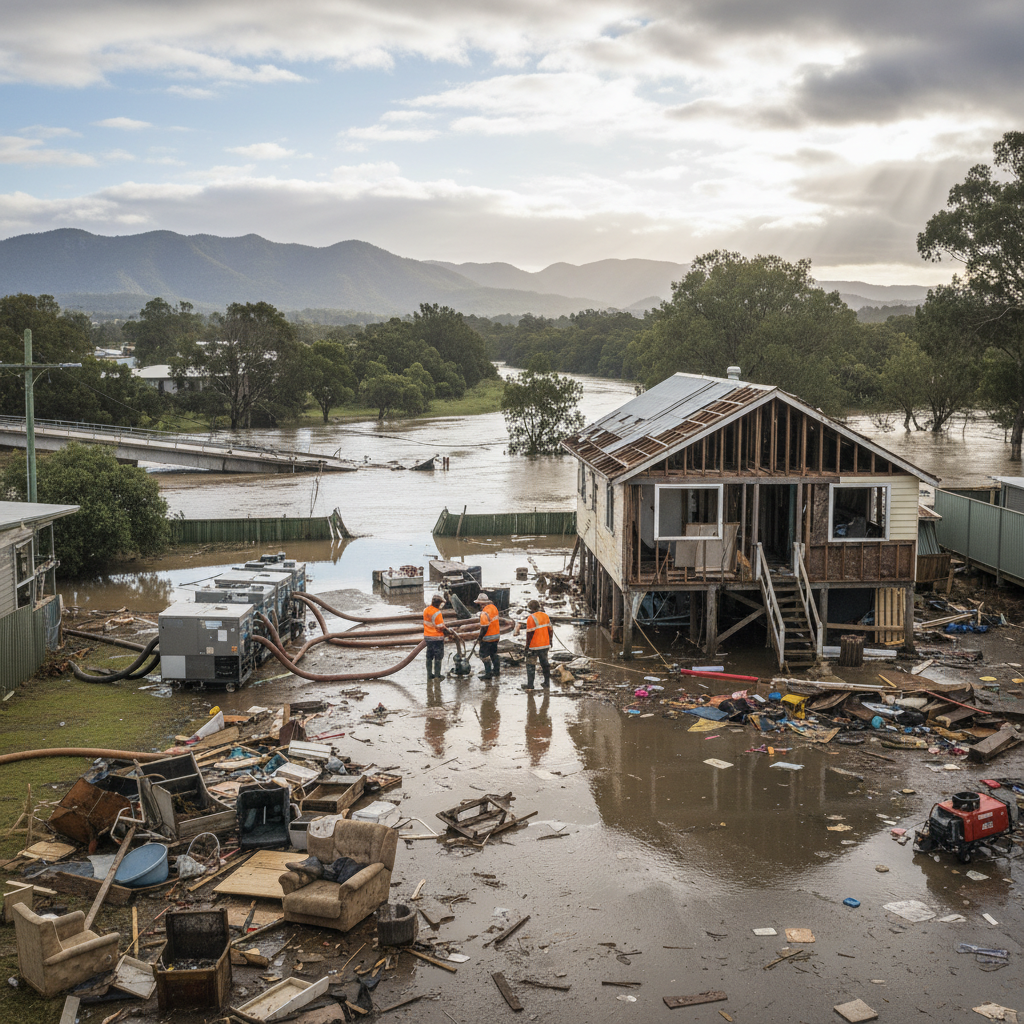
While general water damage can arise from internal sources, flood restoration Australia often deals with larger, more catastrophic events stemming from external forces. Cyclones, riverine floods, and flash floods can inundate properties with vast quantities of water, often contaminated with sewage, chemicals, and debris. This type of water, classified as Category 3 or "black water," poses severe health risks and requires an entirely different level of handling and remediation compared to clean water spills.
Flood restoration goes far beyond simple drying. It involves extensive clean-up, decontamination, and sanitisation protocols to ensure the affected environment is safe and habitable again. Structural integrity must be meticulously inspected, as the force and prolonged presence of floodwaters can weaken foundations, walls, and subflooring. Contents restoration, including careful cleaning and drying of salvageable items, is also a significant component of flood recovery. The sheer scale and complexity of flood damage necessitate the expertise of a highly trained and well-equipped restoration company. The National Restoration Network, for example, specialises in managing such large-scale disasters, deploying advanced techniques and equipment to restore properties thoroughly and safely.
The Silent Threat Mould Remediation Australia Requires
One of the most insidious and persistent problems following any water intrusion is the growth of mould. Often unseen, mould spores can begin to germinate within 24-48 hours of moisture exposure, spreading rapidly and silently throughout a property. In Australia's humid climate, this risk is particularly pronounced. Mould not only causes musty odours and unsightly stains but can also pose serious health risks, triggering allergies, asthma attacks, and respiratory issues in susceptible individuals. For properties suffering from water damage, professional mould remediation Australia is an absolute necessity.
Effective mould remediation is not a DIY task. It requires specialised training, equipment, and containment procedures to prevent cross-contamination to unaffected areas. Restoration professionals will first identify the source of moisture and ensure it's fully addressed. Then, they employ advanced techniques to safely remove mould-contaminated materials, clean and sanitise affected surfaces, and use HEPA filtration systems to scrub microscopic mould spores from the air. Thorough drying and dehumidification are the final, critical steps to prevent recurrence. Attempting to clean mould yourself without proper containment and personal protective equipment can actually worsen the problem, releasing more spores into the air and increasing health risks. Trusting experts like those at the National Restoration Network ensures that mould is eradicated safely and effectively, restoring indoor air quality and peace of mind.
Choosing the Right Restoration Partner for Your Australian Property
When faced with water damage, flood, or mould issues, selecting the right restoration company is paramount. Here are key factors to consider:
Rapid Response and Availability
As discussed, time is of the essence. A reputable restoration company should offer 24/7 emergency services and have the capacity to respond quickly to your location, especially for those seeking "water damage restoration near me" during a crisis. Their ability to mobilise swiftly can significantly reduce the overall damage and restoration costs.
Experience and Expertise
Look for a company with a proven track record in handling various types of water damage, flood restoration, and mould remediation. Their technicians should be certified by industry bodies like the Institute of Inspection, Cleaning and Restoration Certification (IICRC), demonstrating their adherence to professional standards and best practices.
Advanced Equipment and Technology
Modern restoration requires more than just mops and fans. Professional teams utilise state-of-the-art equipment, including thermal imaging cameras to detect hidden moisture, powerful industrial extractors, high-capacity dehumidifiers, and HEPA air scrubbers. This technology ensures thorough drying and decontamination, preventing future problems.
Comprehensive Services
A full-service restoration company can handle every aspect of the job, from initial assessment and water extraction to structural drying, contents restoration, mould remediation, and even reconstruction if necessary. This streamlines the process and provides a single point of contact for all your restoration needs.
Insurance Liaison
Dealing with insurance claims can be overwhelming. A good restoration partner will assist you with documentation, provide detailed reports, and communicate directly with your insurance provider, easing the administrative burden during a stressful time.
Conclusion
Water damage, whether from a burst pipe or a widespread flood, is a serious threat to Australian properties. The potential for structural damage, property loss, and health risks from mould growth underscores the critical need for immediate and professional intervention. Attempting to tackle these complex issues without the right expertise can lead to incomplete drying, persistent mould problems, and long-term structural compromises. By understanding the distinct challenges of water damage, emergency restoration, flood recovery, and mould remediation, property owners can make informed decisions when disaster strikes.
For comprehensive and reliable restoration services across Australia, turning to a trusted national provider ensures that your property receives the highest standard of care. Companies like the National Restoration Network offer the expertise, equipment, and rapid response capabilities necessary to mitigate damage, restore your property to its pre-loss condition, and safeguard the health and well-being of its occupants. Don't let water damage define your property's future; act quickly and engage the professionals who can bring peace of mind back to your home or business.