
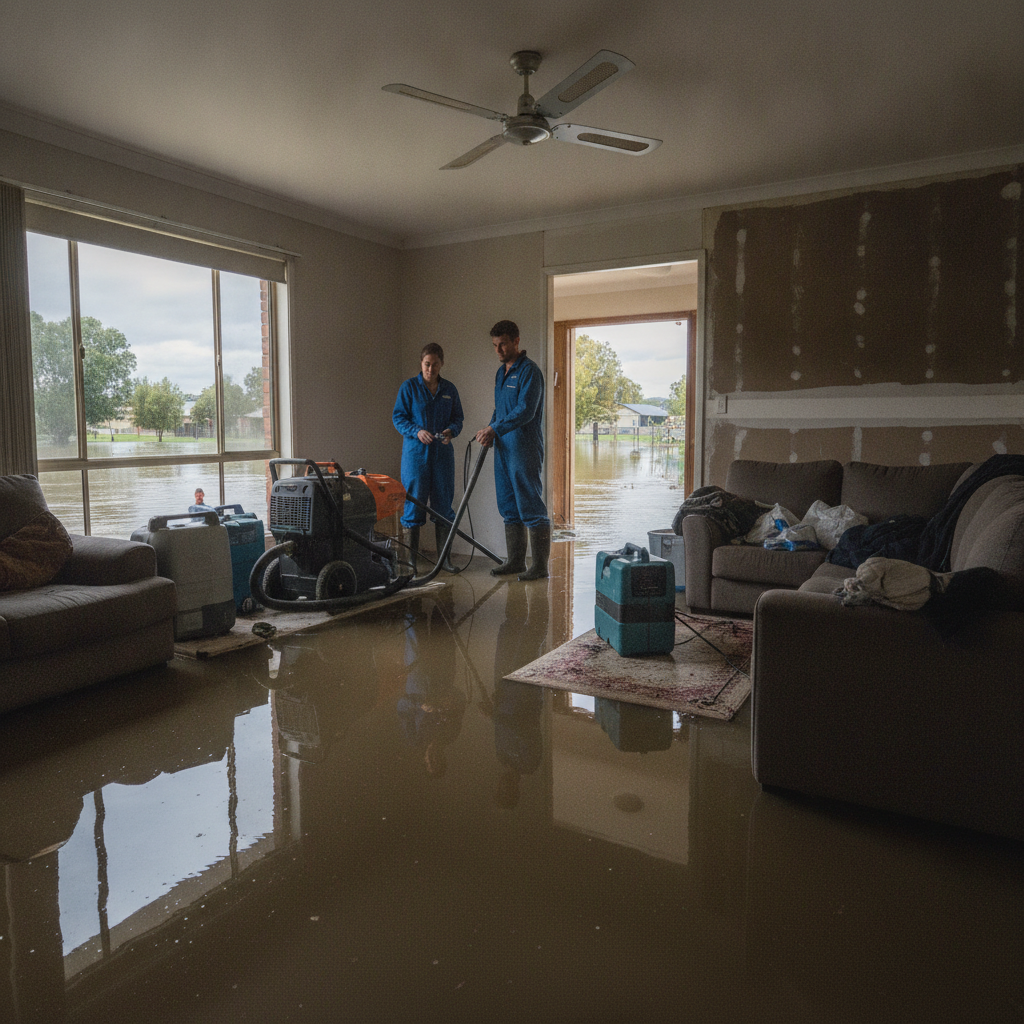
Essential water damage and flood restoration solutions for every Australian property
- By, National Restoration Network
- 12 Jun, 2026
Essential water damage and flood restoration solutions for every Australian property
Australia, with its diverse climate and geography, unfortunately experiences a significant number of water-related incidents each year. From sudden torrential downpours and widespread flooding to burst pipes and appliance malfunctions, water damage can strike unexpectedly, leaving a trail of destruction and disruption. When water invades your home or business, the clock starts ticking. The longer water sits, the more extensive and costly the damage becomes, often leading to structural compromise, mould growth, and significant health risks. Understanding the critical importance of professional water damage restoration Australia wide is not just about recovery, it's about safeguarding your property, your health, and your peace of mind.
Navigating the aftermath of water inundation can be overwhelming. The sheer volume of water, the potential for contamination, and the rapid onset of secondary damage require immediate and expert intervention. This comprehensive guide will explore the nuances of water damage, flood, and disaster restoration services available across Australia, highlighting why prompt, professional assistance is your most valuable asset in returning your property to its pre-damage condition.
The Urgent Need for Prompt Water Damage Restoration in Australia
Water damage isn't just about wet floors; it's a complex problem with far-reaching consequences. Whether it's a slow leak from a plumbing issue, a roof compromised by a severe storm, or a major burst pipe, the impact can be devastating. Water quickly saturates building materials, furniture, and personal belongings. Within hours, porous materials like drywall and timber can swell, warp, and begin to disintegrate. Within 24-48 hours, the perfect conditions for mould growth are established, posing serious health risks to occupants and further degrading the structural integrity of your property.
This is where emergency water damage restoration becomes not just beneficial, but absolutely critical. A swift response can drastically reduce the total damage, minimise restoration costs, and prevent long-term problems. Professional restoration teams are equipped to handle the immediate aftermath, performing crucial tasks such as water extraction, drying, and dehumidification with speed and efficiency. They understand that time is of the essence and are often available 24/7 to respond to crises. For a trusted partner in these challenging times, the National Restoration Network offers comprehensive support across the country.
Understanding the Types of Water Damage
Not all water damage is created equal, and the approach to restoration varies significantly depending on the source and contamination level:
- Category 1 (Clean Water): This originates from a sanitary source, such as burst pipes, overflowing sinks, or rainwater. While initially clean, it can quickly degrade if not addressed.
- Category 2 (Grey Water): This contains a significant level of chemical, biological, or physical contaminants, such as water from a washing machine overflow or a toilet bowl with urine (but no faeces). It can cause illness if ingested.
- Category 3 (Black Water): This is grossly contaminated and contains pathogenic agents, making it a severe health risk. Sources include sewage backups, rising floodwaters, and toilet overflows containing faeces. This type of damage requires specialised handling and often necessitates the removal of contaminated porous materials.
Identifying the category of water is the first crucial step in any restoration process, guiding the safety protocols and cleaning methods employed.
Finding Reliable Water Damage Restoration Near Me
When an emergency strikes, one of the first thoughts is often, "How do I find reliable water damage restoration near me?" The proximity of a restoration service is vital, as a rapid response can mean the difference between minor damage and extensive, irreparable harm. Local restoration companies are often best positioned to reach your property quickly, especially in metropolitan areas or well-serviced regional centres.
However, relying solely on proximity isn't enough. You need a service that combines speed with expertise, advanced equipment, and a deep understanding of local environmental conditions and building codes. A reputable local provider should offer:
- 24/7 Emergency Service: Water emergencies don't adhere to business hours.
- Certified Technicians: Professionals trained and certified in water damage restoration (e.g., IICRC certification).
- Advanced Equipment: Industrial-grade dehumidifiers, air movers, moisture meters, and extraction units.
- Insurance Liaison: Assistance with navigating insurance claims, which can be a complex process.
- Comprehensive Service: From initial assessment and water removal to drying, sanitisation, and repairs.
While searching for local specialists, it's also worth considering networks that combine local responsiveness with national standards and resources. For comprehensive information on services, including those nearest to you, visit water damage restoration australia for a full overview of available options and expert guidance.
Special Considerations for Flood Restoration Australia
Australia is no stranger to floods. From the devastating Queensland floods to severe weather events impacting coastal communities, floodwaters present unique and formidable challenges that go beyond typical water damage scenarios. Flood restoration Australia wide demands a highly specialised approach, primarily because floodwaters are almost always classified as Category 3 (black water).
The highly contaminated nature of floodwaters means that restoration efforts must prioritise safety and thorough sanitisation. This often involves:
- Aggressive Contaminant Removal: All porous materials exposed to floodwater, such as carpets, underlay, drywall, and often insulation, must be safely removed and disposed of to prevent the spread of bacteria, viruses, and mould spores.
- Structural Drying and Disinfection: Even non-porous surfaces must be thoroughly cleaned and disinfected. Advanced drying techniques are employed to ensure every hidden pocket of moisture is eliminated, preventing future mould or structural issues.
- Odour Control: Floodwaters can leave persistent, unpleasant odours. Professional restoration includes specialised treatments to neutralise these odours at their source.
- Mould Remediation: Given the high likelihood of mould, comprehensive mould assessment and remediation are integral to flood restoration.
Dealing with flood damage requires not only technical expertise but also sensitivity to the emotional toll such events take on property owners. Professional flood restoration teams work diligently to restore not just the physical structure, but also a sense of normalcy and safety to affected communities.
The Comprehensive Scope of Disaster Restoration Services Australia
While water and flood damage are common, they are just one facet of the broader field of disaster restoration. Disaster restoration services Australia encompass a wide range of expertise, designed to help homes and businesses recover from various calamitous events. These services are crucial for mitigating loss and accelerating recovery after incidents that are often beyond an individual's control.
A comprehensive disaster restoration service typically includes:
- Water Damage Restoration: As discussed, covering everything from leaks to major floods.
- Fire and Smoke Damage Restoration: Cleaning soot, removing smoke odours, and repairing fire-damaged structures.
- Storm Damage Restoration: Addressing damage from high winds, hail, fallen trees, and associated water ingress.
- Mould Remediation: Identifying, containing, and removing mould growth, often a secondary effect of water damage.
- Trauma & Crime Scene Cleanup: Specialised cleaning and sanitisation for sensitive situations.
- Biohazard Cleanup: Safe removal and disposal of hazardous biological substances.
These services are often delivered by highly trained technicians who utilise industry-leading equipment and follow strict protocols. They understand the complexities of insurance claims and can often assist property owners through the entire process, from initial assessment to final repairs. Engaging a full-service disaster restoration provider means you have a single point of contact for multiple restoration needs, streamlining the recovery process during incredibly stressful times.
The Restoration Process Explained
While every water damage scenario is unique, a professional restoration process generally follows a structured approach to ensure thorough and effective recovery:
Emergency Contact & Inspection
The process begins the moment you call for emergency water damage restoration. Technicians arrive promptly to assess the extent of the damage, identify the source of the water, and determine the category of water involved. They use advanced moisture detection equipment to pinpoint hidden pockets of moisture.
Water Extraction
Using powerful pumps and vacuums, the standing water is rapidly removed. This crucial step prevents further absorption into materials and speeds up the drying process. For severely contaminated water, specialised extraction methods are employed to ensure safety.
Drying & Dehumidification
Once standing water is removed, the focus shifts to drying out the affected areas. Industrial-grade air movers are strategically placed to promote evaporation, while powerful dehumidifiers remove moisture from the air, preventing secondary damage like warping and mould growth. This phase is meticulously monitored with moisture readings to ensure optimal drying conditions.
Cleaning, Sanitisation & Deodorisation
All affected surfaces and salvageable items are thoroughly cleaned, sanitised, and disinfected. Depending on the water category, this can involve antimicrobial treatments to inhibit mould and bacterial growth. Specialised deodorisation techniques are used to eliminate lingering odours.
Restoration & Repairs
This final stage involves restoring your property to its pre-damage condition. This might include minor repairs like replacing drywall, repainting, or reinstalling flooring, or more extensive reconstruction if structural damage occurred. The goal is to make your property look and feel as if the water damage never happened.
Why Choose a Professional Restoration Network
In the face of unexpected water damage or a major disaster, choosing the right restoration partner is paramount. Opting for a professional restoration network, such as the National Restoration Network, offers distinct advantages that individual contractors might not provide. These networks bring together a collective of highly skilled and certified professionals, ensuring consistent service quality and adherence to industry best practices across different regions of Australia.
The benefits of choosing a network include:
- National Reach, Local Expertise: Access to local teams who understand specific regional challenges, backed by the resources and standards of a national organisation.
- Consistent Quality & Training: All technicians adhere to rigorous training protocols and industry certifications (like IICRC), ensuring a high standard of service no matter where you are.
- Advanced Equipment & Technology: Access to state-of-the-art drying, extraction, and sanitisation equipment that smaller operations might lack.
- Seamless Insurance Claims: Many networks have established relationships with insurance providers, simplifying the claims process for property owners.
- Comprehensive Service Offerings: From initial water extraction to mould remediation and full structural repairs, a network can manage the entire restoration journey.
When your property is at stake, the peace of mind that comes from knowing you have an experienced, well-resourced team handling your restoration is invaluable. They don't just fix the visible damage; they address the hidden issues, ensuring a complete and lasting recovery.
Conclusion
Water damage, whether from a leaking pipe or a major flood, poses a significant threat to Australian properties. The consequences can range from immediate structural damage and ruined possessions to long-term health risks from mould. The critical takeaway is clear: prompt, professional intervention is non-negotiable for effective water damage restoration. Delaying action only escalates the damage, cost, and complexity of the recovery process.
By understanding the different types of water damage, the specific needs of flood restoration, and the comprehensive scope of disaster restoration services, property owners can make informed decisions when crisis strikes. Choosing certified experts who can offer emergency water damage restoration and apply industry-leading techniques ensures that your property is not just superficially cleaned, but thoroughly dried, sanitised, and restored to a safe and healthy condition. For reliable and comprehensive solutions for water damage restoration Australia wide, turning to a trusted national network is your best defence against the devastating impact of water.