
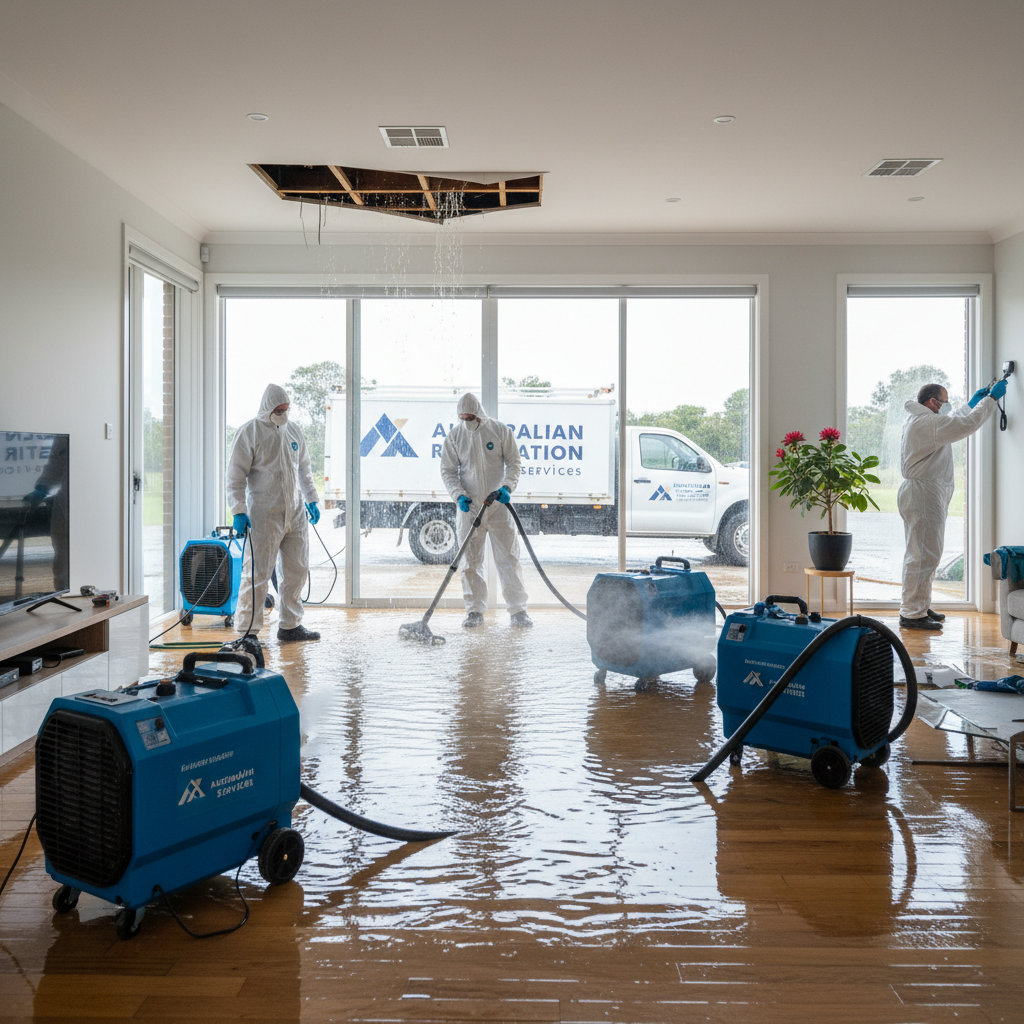
Essential Water Damage Restoration Services Safeguarding Australian Homes and Businesses
- By, National Restoration Network
- 01 May, 2026
Essential Water Damage Restoration Services Safeguarding Australian Homes and Businesses
Water damage can strike unexpectedly, turning a tranquil home or productive business environment into a scene of distress and potential disaster. From a burst pipe or an overflowing appliance to the devastating force of a flash flood, the impact can be immediate and far-reaching. In Australia, a continent prone to extreme weather events, understanding and responding effectively to water damage is not just about cleaning up a mess; it's about protecting health, preserving property value, and ensuring structural integrity. When disaster strikes, immediate and professional intervention is paramount, making expert National Restoration Network services an invaluable resource for swift and comprehensive recovery.
Navigating the Australian Landscape of Water Damage Challenges
Australia’s diverse climate, from its arid interiors to its tropical and temperate coastal regions, presents unique challenges when it comes to water damage. Cyclones, severe storms, and heavy rainfall events are common occurrences, particularly during specific seasons, leading to widespread flooding. Beyond natural disasters, everyday incidents like plumbing failures, leaking roofs, hot water system malfunctions, or even faulty appliances can unleash significant water into properties. Without prompt action, this water can quickly saturate building materials, furniture, and personal belongings, creating an environment ripe for mould growth, structural weakening, and long-term deterioration. This highlights the critical need for specialised water damage restoration australia services, tailored to address the specific conditions and building types found across the continent.
Understanding the type of water involved is also crucial. "Clean water" from a burst pipe is different from "grey water" (e.g., from a dishwasher or washing machine overflow) and vastly different from "black water" (e.g., sewage backup or floodwaters from rivers/oceans). Each category carries different levels of contamination and requires distinct handling and sanitisation protocols. Australian properties, from historic homes to modern commercial buildings, all face these risks, underscoring the universal demand for expert water damage solutions that can adapt to any scenario.
The Critical Urgency of Emergency Water Damage Restoration
When water damage occurs, time is not just money; it's the difference between minor repairs and extensive, costly reconstruction. The clock starts ticking the moment water intrudes. Within 24-48 hours, standing water can begin to cause irreversible damage to porous materials like drywall, timber, and insulation. More dangerously, it creates a perfect breeding ground for mould, mildew, and bacteria, posing significant health risks to occupants, including respiratory issues and allergic reactions. This is why emergency water damage restoration is not merely a convenience but a necessity for safeguarding health and property.
Professional restorers understand this urgency. Their rapid response capabilities mean they can be on-site quickly, often within hours, to assess the situation, halt the damage progression, and begin the extraction process. This immediate action is vital for mitigating secondary damage, such as swelling of wooden floors, delamination of laminated surfaces, electrical hazards, and the pervasive spread of odours. Delaying professional intervention, even for a short period, can escalate the problem significantly, leading to more complex and expensive repairs down the line. For any Australian property owner facing water intrusion, prioritising immediate, expert emergency response is the smartest first step.
The Comprehensive Process of Professional Water Damage Restoration
Effective water damage restoration is a multi-step, scientific process designed to return a property to its pre-damage condition, or even better. It goes far beyond simply mopping up water and airing out a room. Here’s an overview of the typical stages involved when you engage professional water damage restoration australia services:
Initial Assessment and Damage Inspection
The first crucial step involves a thorough inspection to identify the source of the water, the extent of the damage, and the category of water involved. Professionals use advanced moisture detection equipment, including thermal imaging cameras and hygrometers, to pinpoint hidden moisture within walls, floors, and ceilings. This detailed assessment informs the entire restoration plan, ensuring no hidden pockets of moisture are missed, which could lead to future problems like mould.
Water Extraction and Removal
Once the assessment is complete, high-powered pumps and industrial-strength wet vacuums are deployed to remove standing water quickly and efficiently. This step is critical for preventing further saturation of materials and reducing the overall drying time. The faster the water is extracted, the less opportunity there is for materials to absorb it and for microbial growth to begin.
Drying and Dehumidification
After visible water is removed, the focus shifts to extracting moisture from the air and saturated materials. Professional restorers use a combination of industrial-grade air movers (fans) to circulate air and promote evaporation, and powerful dehumidifiers to extract moisture from the air. This controlled drying process is crucial to prevent warping, cracking, and mould growth. Monitoring moisture levels with specialised equipment ensures that the drying process is complete and effective.
Cleaning, Sanitising, and Deodorising
Depending on the category of water, extensive cleaning and sanitising may be required. Contaminated water necessitates antimicrobial treatments to eliminate bacteria, viruses, and fungi. All affected surfaces, contents, and air ducts are thoroughly cleaned, disinfected, and deodorised to remove odours and ensure a safe and healthy environment. This step is particularly vital for preventing the long-term health hazards associated with water damage.
Restoration and Repair
The final stage involves repairing or replacing damaged structural elements and contents. This could range from minor repairs like replacing drywall and insulation to more extensive work such as repairing flooring, painting, and reconstructing affected areas. The goal is to restore the property to its pre-damage condition, ensuring all repairs meet quality standards and local building codes.
Specialised Flood Restoration and Flood Damage Repair in Australia
Australia's susceptibility to severe weather often means properties face the devastating impact of floods. Flood damage is typically more complex and hazardous than other forms of water damage due to the nature of floodwaters. These waters are almost always classified as "black water," carrying a high risk of biological, chemical, and physical contaminants, including sewage, agricultural runoff, industrial waste, and various debris. Therefore, flood restoration australia requires an even more rigorous and specialised approach.
When dealing with flood damage, safety is the paramount concern. Professionals in flood damage repair australia are equipped with personal protective equipment (PPE) and possess the expertise to safely handle contaminated materials. The process often involves more aggressive cleaning and sanitisation protocols, including the removal and disposal of heavily contaminated porous materials that cannot be safely salvaged. Structural drying might also be more challenging due to the deeper saturation of building components. Expert flood restoration services also consider the potential for silt and mud removal, which can be a significant undertaking, requiring specialised equipment and techniques. Engaging certified professionals ensures that all health and safety guidelines are strictly followed, minimising risks and providing a thorough, effective recovery from even the most severe flooding events.
Finding "Water Damage Restoration Near Me": The Local Advantage
When faced with water damage, the immediate thought often turns to "Who can help me right now?" This is where the concept of water damage restoration near me becomes incredibly relevant. Opting for a local restoration service offers several distinct advantages that can significantly impact the speed and effectiveness of your recovery:
- Rapid Response: Local teams can arrive on-site much faster than companies operating from a distant location. In water damage scenarios, every minute counts, and a quick response can dramatically reduce the extent of damage and associated costs.
- Familiarity with Local Conditions: Local restorers are often more familiar with regional building codes, typical construction materials, and common weather patterns specific to their area in Australia. This local knowledge can be invaluable in tailoring the most effective restoration plan.
- Community Trust and Accountability: A local business often has a vested interest in maintaining a strong reputation within the community. They are part of the local fabric, fostering a greater sense of trust and accountability in their services.
- Seamless Logistical Support: Local teams have established relationships with other local service providers, such as plumbers, electricians, and general contractors, which can streamline the entire repair and restoration process.
Choosing a reputable local provider ensures that you receive prompt, knowledgeable, and reliable service, crucial for navigating the stressful aftermath of water damage.
Why Professional Expertise from National Restoration Network is Essential
While the immediate aftermath of water damage might tempt property owners to attempt DIY solutions, the complexities and potential risks involved make professional intervention indispensable. The National Restoration Network stands out as a leader in providing comprehensive water and flood damage restoration services across Australia. Here’s why their expertise is essential:
- Certified Technicians: They employ IICRC-certified technicians who possess the latest knowledge and techniques in water damage restoration, ensuring adherence to industry best practices.
- Advanced Equipment: Access to state-of-the-art water extraction, drying, dehumidification, and moisture detection equipment that is far more effective than consumer-grade tools.
- 24/7 Emergency Service: Understanding the urgency, they offer round-the-clock emergency services, ensuring rapid response when you need it most.
- Comprehensive Solutions: From initial assessment and water removal to drying, sanitisation, mould remediation, and full structural repairs, they offer an end-to-end service.
- Insurance Liaison: They can assist with navigating the often-complex insurance claims process, providing detailed documentation and working directly with your insurer to streamline your recovery.
- Health and Safety Compliance: Adherence to strict health and safety protocols, particularly crucial when dealing with contaminated floodwaters, protects both occupants and restoration personnel.
Engaging a professional service like the National Restoration Network means peace of mind, knowing that your property is in capable hands and that every step of the restoration process is handled with precision and care.
Conclusion
Water damage, whether from a burst pipe or a widespread flood, is a challenging and often traumatic experience for Australian property owners. The critical importance of immediate, professional intervention cannot be overstated. From mitigating health risks and preventing structural damage to preserving property value, expert water damage restoration australia services are your strongest ally in recovery. By understanding the causes, the comprehensive restoration process, and the specific needs of flood restoration australia, property owners can make informed decisions. When disaster strikes, don't delay. Seek out trusted professionals like the National Restoration Network to ensure a swift, thorough, and safe return to normalcy for your home or business.