Australian Damage Restoration: Essential Insights Before Hiring a Service
Experiencing property damage, whether from an unforeseen flood, a devastating fire, an insidious mould outbreak, or a destructive storm, is an incredibly stressful and often overwhelming event for any Australian property owner. Beyond the immediate shock, the prospect of restoring your home or business to its pre-damage condition can seem daunting. The quality of the restoration work performed directly impacts not only your property's structural integrity and aesthetic appeal but also its long-term value and your family's or employees' health and safety.
In such critical times, making informed decisions about who you hire for restoration services is paramount. This isn't just about finding someone to clean up; it's about engaging skilled professionals who understand the intricate science of damage recovery, possess the right certifications, and can navigate the complexities of insurance claims. Rushing into a decision without proper due diligence can lead to costly mistakes, further damage, or incomplete repairs that compromise your property's future.
This guide is designed to equip you with the essential knowledge you need before engaging any damage restoration service across Australia. We'll delve into the specific challenges each type of damage presents, outline the critical factors to consider when evaluating potential partners, and provide actionable questions to ask to ensure you secure reliable, high-quality restoration for your peace of mind and property's resilience.
Understanding the Scope of Damage Restoration Services
Before you can effectively choose a restoration partner, it's crucial to understand the distinct nature of different types of property damage and the specialised services required for each.
Water Damage & Flood Repair: More Than Just Drying
When your property suffers from water damage, whether it's a burst pipe, an overflowing appliance, or extensive flooding, the clock starts ticking immediately. Water penetration can quickly lead to structural degradation, electrical hazards, and the rapid growth of mould. Effective
water damage restoration near me isn't just about mopping up visible water; it involves a multi-stage process. Professionals performing
flood damage repair Australia will conduct thorough water extraction using powerful pumps and vacuums, followed by structural drying with industrial-grade dehumidifiers and air movers. They must also assess potential hidden moisture, sanitise affected areas to prevent bacterial growth, and restore damaged materials. Neglecting any of these steps can lead to ongoing issues, including persistent odours and weakened structures.
Fire Damage Restoration: Beyond the Ash and Soot
Fire damage extends far beyond the visible charring. Smoke and soot residues penetrate porous materials, causing discolouration, etching, and pervasive odours that are incredibly difficult to remove without specialised equipment and techniques.
Fire damage restoration Australia involves meticulous soot removal from all surfaces, neutralising smoke odours using advanced deodorisation methods, cleaning and restoring salvageable contents, and often, extensive structural repairs. The corrosive nature of soot can also lead to long-term damage if not promptly and professionally addressed, impacting everything from electronics to metal fixtures.
Mould Remediation: A Silent Threat to Health and Property
Mould isn't just unsightly; it poses significant health risks, especially for individuals with allergies or respiratory conditions, and can severely degrade building materials. Mould often thrives in damp, hidden areas after water incidents, making timely and thorough
mould remediation Australia essential. A professional approach involves identifying the source of moisture, containing the affected area to prevent spore spread, safely removing mould-infested materials, and treating surfaces to inhibit future growth. DIY mould removal is rarely sufficient and can inadvertently spread spores, worsening the problem.
Storm Damage Restoration: Rebuilding After Nature's Fury
Australia's diverse climate makes properties vulnerable to a range of severe weather events, from cyclones and hailstorms to torrential rains and high winds.
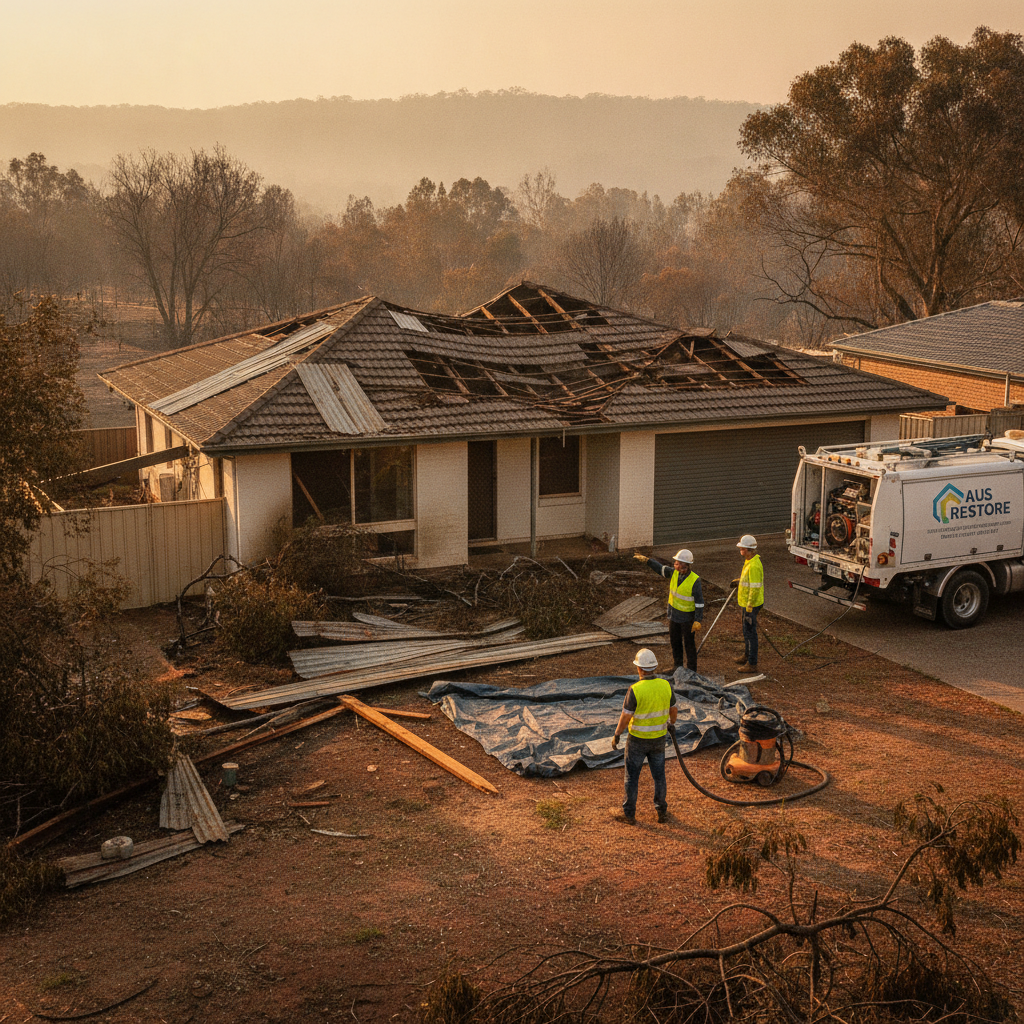
Storm damage restoration Australia encompasses a broad spectrum of services, including emergency board-up and tarping to prevent further damage, debris removal, structural assessments for integrity, and comprehensive repairs to roofs, windows, siding, and interiors. The immediate aftermath of a storm often requires rapid response to secure the property and mitigate secondary damage, such as water ingress from a compromised roof.
Key Factors to Evaluate Before Hiring a Restoration Company
When a disaster strikes, the urgency to restore your property can be overwhelming, but selecting the right restoration partner requires careful consideration. Here are the crucial factors to scrutinise:
Certification and Expertise
The restoration industry has recognised standards and certifications that signify a company's commitment to best practices. Look for firms whose technicians hold certifications from the Institute of Inspection, Cleaning and Restoration Certification (IICRC). The IICRC sets industry standards for various restoration disciplines, including water damage, fire and smoke restoration, and mould remediation. These certifications indicate that technicians have undergone rigorous training and adhere to professional guidelines, ensuring a high level of expertise and safe, effective restoration work.
Experience and Local Knowledge
An experienced restoration company brings invaluable practical knowledge to every project. In Australia, understanding local building codes, environmental regulations, and common regional challenges (e.g., specific storm patterns, types of local building materials) is vital. A provider with a proven track record, especially one that has handled similar cases to yours, can anticipate issues and deliver more efficient solutions. Furthermore, for a service like "water damage restoration near me," local presence often translates to faster response times and a better understanding of community-specific needs.
Comprehensive Service Offerings
Property damage often isn't confined to a single issue. A fire might lead to water damage from extinguishing efforts, or a storm might cause both structural damage and mould growth. A full-service restoration company, such as National Restoration Network, capable of handling multiple types of damage (water, fire, mould, storm) under one roof can streamline the recovery process, reduce coordination complexities, and ensure a cohesive approach to your property's overall restoration. This integrated approach saves time and potential headaches.
Emergency Response Capability
Disasters don't adhere to business hours. A critical factor in mitigating damage, especially for water and storm-related incidents, is the speed of response. A reputable restoration company should offer 24/7 emergency services, ensuring they can be on-site quickly to assess the situation, secure your property, and begin essential mitigation efforts. Ask about their typical response times and their capacity to mobilise resources rapidly, particularly during widespread emergencies.
Insurance Liaison and Claims Assistance
Navigating insurance claims after property damage can be a complex and frustrating process. A highly valuable attribute of a restoration partner is their experience working directly with insurance companies. They should be able to assist with documentation, provide detailed estimates that align with insurance requirements, and communicate effectively with your adjuster. This expertise can significantly expedite your claim, ensuring you receive appropriate coverage for the necessary repairs without undue stress.
Transparent Pricing and Quotation
Before any work begins, you should receive a clear, detailed, and itemised quotation for the entire restoration project. Be wary of companies that provide vague estimates or pressure you into signing agreements without a full understanding of the costs involved. A professional restorer will outline all services, materials, and labour costs, explaining each line item and providing realistic timelines. They should also be transparent about any potential variables that could affect the final price.
The Hiring Process: Questions to Ask and Red Flags to Watch For
Empowering yourself with the right questions and knowing what warning signs to look for can protect you from suboptimal service and potential scams during a vulnerable time.
Essential Questions for Prospective Restorers:
When interviewing potential restoration companies, don't hesitate to ask probing questions to gauge their suitability:
1. **"Are you fully licensed and insured for restoration work in Australia?"** Verify their general liability and workers' compensation insurance. This protects you from liability if accidents occur on your property.
2. **"What specific certifications do your technicians hold (e.g., IICRC)?"** Ask for proof of these certifications.
3. **"Can you provide references from recent clients, particularly those with similar damage types?"** A reputable company will be happy to share contacts of satisfied customers.
4. **"What is your estimated timeline for the entire restoration process, from mitigation to completion?"** Understand the phases and expected duration.
5. **"How do you handle communication and provide updates throughout the project?"** Consistent communication is key to managing expectations.
6. **"What warranty or guarantee do you offer on your work?"** A confident company will stand behind its services.
7. **"How do you ensure proper containment and prevent cross-contamination during mould or soot removal?"** This is crucial for health and preventing further spread.
8. **"Can you explain your billing process and how you interact with insurance adjusters?"** Clarity here can prevent future disputes.
Red Flags to Avoid:
Be alert to these warning signs that might indicate a less-than-reputable service provider:
* **High-pressure sales tactics:** Reputable companies focus on solutions, not coercion.
* **Demanding full payment upfront:** While a deposit might be reasonable, demanding full payment before work begins is a major red flag.
* **Lack of proper equipment or personal protective equipment (PPE):** This suggests unprofessionalism and a disregard for safety.
* **Unprofessional appearance or communication:** If they can't present themselves well, how will they handle your property?
* **Vague contracts or refusal to provide a detailed written estimate:** Always insist on a clear, written agreement outlining all services and costs.
* **Cash-only requests:** This can be a sign of avoiding taxes or operating without proper licensing.
* **Soliciting business door-to-door after a major disaster:** While some canvassing occurs, be cautious of those who seem overly aggressive or appear immediately after an event, as they may be fly-by-night operators.
A Comparison of Restoration Provider Types
When seeking restoration services, you might encounter a spectrum of providers. Broadly, these can be categorised into general contractors who *also* handle some restoration, versus dedicated, specialised damage restoration firms.
A general contractor might be adept at rebuilding after the initial damage is addressed, but they often lack the specialised equipment, IICRC certifications, and intricate knowledge required for precise water extraction, structural drying, smoke odour neutralisation, or mould containment. Their primary expertise lies in construction and renovation, not the unique science of mitigation and remediation. This can lead to delays, incomplete drying, lingering odours, or improper mould removal, potentially causing long-term issues and additional costs down the line.
In contrast, a dedicated restoration company, like the partners within the
National Restoration Network, specialises in the immediate aftermath of property damage. They possess industrial-grade equipment for drying, air scrubbing, and sanitisation, and their technicians are rigorously trained and IICRC-certified in specific damage types. These firms understand the nuances of rapid response, insurance claim documentation, and the scientific processes required to return a property to a safe and healthy condition before any reconstruction begins. While a general contractor might manage the rebuilding phase, a specialised restoration firm ensures the foundation of the recovery is scientifically sound and thoroughly executed, ultimately saving you time, stress, and money by preventing secondary damage.
Why Choose a Reputable National Network?
When faced with property damage, the decision of who to trust with your restoration needs is critical. Opting for a reputable national network offers distinct advantages that individual contractors or smaller, unverified local businesses often cannot match. A national network ensures a consistent standard of service, regardless of your specific location in Australia. This means adherence to the highest industry protocols, uniform training for technicians, and access to the latest equipment and technologies across all its operations.
The strength of a national network also lies in its vast resources and scalability. During widespread disasters, individual operators can quickly become overwhelmed, leading to delays. A national network, however, can mobilise resources from unaffected regions, ensuring a quicker, more robust response when you need it most. This combines the benefit of local expertise with the backing and reliability of a larger, established organisation. You get the personalised attention of a local team, bolstered by the comprehensive capabilities and quality assurance of a nationally recognised leader.
Choosing a trusted partner like those found within the National Restoration Network means entrusting your property to professionals who are not only highly skilled and certified but also committed to ethical practices and transparent communication throughout the entire restoration journey.
Conclusion
Navigating property damage is undoubtedly one of the most challenging experiences a property owner can face. From the immediate shock of water ingress or a devastating fire to the insidious growth of mould or the aftermath of a severe storm, the path to recovery demands swift and expert intervention. By understanding the distinct demands of each type of damage and knowing what to look for in a restoration partner, you empower yourself to make informed decisions that protect your investment and ensure a healthy, safe environment.
Remember, the quality of your restoration service directly impacts your property's future. Prioritise certified expertise, comprehensive service offerings, transparent practices, and a proven track record. By asking the right questions and being aware of potential red flags, you can confidently select a partner who will restore your property efficiently and effectively. For reliable, professional, and comprehensive restoration services across Australia, we invite you to explore the expertise offered by the National Restoration Network. Our commitment is to restore not just properties, but also peace of mind.