
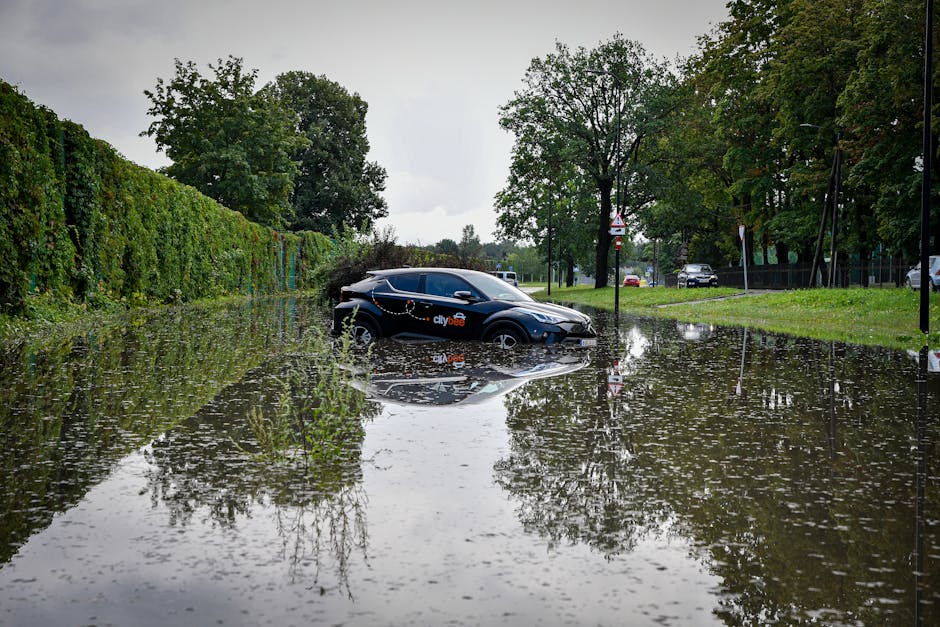
Australia, a land of breathtaking beauty and diverse landscapes, is also prone to a wide array of natural disasters. From devastating bushfires to powerful cyclones and relentless floods, property ...
- By, National Restoration Network
- 21 Feb, 2026
Australia, a land of breathtaking beauty and diverse landscapes, is also prone to a wide array of natural disasters. From devastating bushfires to powerful cyclones and relentless floods, property owners across the continent frequently face the challenge of recovering from unforeseen events. When disaster strikes, the aftermath can be overwhelming, leaving homes and businesses severely damaged and lives disrupted. This is where professional disaster restoration services Australia become not just a convenience, but an absolute necessity. Specialised teams equipped with the expertise and technology are crucial for mitigating damage, ensuring safety, and restoring properties to their pre-disaster condition. This comprehensive guide will delve into the critical aspects of flood damage repair, emergency flood cleanup, storm damage restoration, and the vital process of mould remediation, all tailored to the unique challenges faced by Australians.
The immediate and long-term consequences of water ingress, whether from a burst pipe, an overflowing river, or a severe storm, demand a swift and professional response. Without it, structural integrity can be compromised, electrical systems can become hazardous, and secondary issues like mould growth can quickly escalate, posing serious health risks. Understanding the scope of professional intervention, from the initial emergency flood cleanup to the meticulous flood damage repair and subsequent mould remediation, is key for any property owner navigating the path to recovery. Our focus here is to provide clarity on these essential services, highlighting why expert assistance is indispensable for a comprehensive and lasting restoration.
Understanding the Impact of Flood Damage in Australia
Australia's unique geography makes it particularly susceptible to various forms of flooding. Coastal regions face inundation from king tides and storm surges, while vast inland areas can experience widespread riverine flooding following prolonged heavy rainfall. Flash floods, occurring rapidly with little warning, can devastate urban and suburban areas. The impact of such events extends far beyond mere inconvenience. Water can seep into foundations, weaken structural elements like walls and floorboards, and compromise electrical systems, creating immediate safety hazards. Furnishings, personal belongings, and critical documents can be ruined, leading to significant financial and emotional distress.
Beyond the visible destruction, hidden dangers lurk. Standing water creates a breeding ground for bacteria and viruses, posing serious health risks. Moisture trapped within walls, ceilings, and subfloors can lead to long-term structural degradation and, perhaps most insidiously, the rapid growth of mould. The longer water damage goes unaddressed, the more severe and costly the repairs become. This underscores the paramount importance of immediate action and the expertise offered by professional disaster restoration services Australia. They possess the knowledge and equipment to assess the full extent of the damage, both visible and hidden, and to implement an effective strategy for recovery.
Emergency Flood Cleanup Australia: The Critical First Steps
When your property is hit by a flood, every minute counts. The initial phase of recovery is known as emergency flood cleanup Australia, and it is a critical process that lays the foundation for all subsequent restoration work. Attempting to manage extensive water damage yourself can be dangerous and often ineffective, potentially leading to further complications down the line. Professional restoration teams are equipped with specialised tools and training to handle the immediate aftermath safely and efficiently.
Rapid Water Extraction and Structural Drying
The first priority in any flood cleanup is the rapid extraction of standing water. High-powered pumps and industrial-strength wet vacuums are used to remove thousands of litres of water quickly, preventing further saturation of materials. Following water extraction, the focus shifts to thorough drying and dehumidification. This involves the strategic placement of industrial-grade air movers and dehumidifiers to dry out affected areas, including walls, floors, and cavities. Monitoring moisture levels with advanced sensors ensures that drying is complete and prevents hidden moisture pockets that could lead to mould growth or structural issues.
Sanitisation and Deodorisation
Floodwaters, especially those from external sources, are often contaminated with bacteria, viruses, and other pathogens. Therefore, sanitisation is an integral part of emergency flood cleanup. Professionals use commercial-grade disinfectants to thoroughly clean and sanitise all affected surfaces, safeguarding the health of occupants. Simultaneously, powerful deodorisers are employed to eliminate persistent musty odours, leaving the property fresh and clean. This comprehensive approach ensures that the immediate threats are neutralised, paving the way for detailed flood damage repair Australia.
Comprehensive Flood Damage Repair Australia: Restoring Your Property
Once the emergency cleanup is complete and the property is thoroughly dried, the extensive process of flood damage repair Australia begins. This phase is about more than just drying; it involves meticulous assessment, repair, and reconstruction to restore your property to its original condition, or even better. Professional restoration goes beyond superficial fixes, addressing the underlying damage to ensure long-term safety and structural integrity.
Detailed Damage Assessment and Scope of Work
Expert technicians conduct a thorough assessment to identify all areas of damage, including those that may not be immediately obvious. This includes checking for compromised structural elements, damaged electrical wiring, plumbing issues, and potential areas for mould growth. Based on this assessment, a detailed scope of work is developed, outlining all necessary repairs and reconstruction efforts. This plan often includes removing and replacing damaged drywall, flooring, insulation, and other building materials that cannot be salvaged.
Structural Repairs and Material Replacement
Flood damage repair can involve a wide range of tasks, from minor patch-ups to extensive structural renovations. This might include repairing or replacing damaged subflooring, walls, ceilings, and roofing. Skilled tradespeople ensure that all repairs meet safety standards and local building codes. Furthermore, contents restoration is often a crucial part of this phase, where salvageable personal belongings, furniture, and documents are cleaned, dried, and restored off-site using specialised techniques. The goal is a seamless transition from a damaged state to a fully restored and functional property, bringing peace of mind back to the owners.
Storm Damage Restoration Australia: Beyond Just Water
While floods are a significant concern, Australia also experiences severe storms that bring a host of other destructive elements. High winds, hail, fallen trees, and lightning strikes can cause extensive damage to roofs, windows, exterior structures, and even entire buildings. Storm damage restoration Australia encompasses a broader range of services designed to address these diverse impacts, often in conjunction with water damage.
Professional storm damage restoration services begin with securing the property to prevent further damage. This might involve boarding up broken windows, tarping damaged roofs, and removing hazardous debris. Following the immediate stabilisation, a comprehensive assessment is conducted to determine the full extent of the damage, from structural compromises to electrical faults and water ingress. Restoration teams are equipped to handle everything from minor repairs to complete reconstruction, ensuring that your property is safe, secure, and fully restored after nature's fury.
Whether it's a collapsed ceiling from a fallen tree, extensive roof damage from hail, or water penetration from wind-driven rain, expert teams coordinate all necessary repairs. This integrated approach means property owners don't have to juggle multiple contractors; one professional service can manage the entire restoration process, simplifying a complex and stressful situation.
The Silent Threat: Mould Remediation Australia
One of the most insidious and common secondary effects of water damage is the growth of mould. Mould spores are ubiquitous in the environment, but they thrive in damp, dark conditions, making water-damaged properties an ideal breeding ground. If not addressed promptly and thoroughly during the initial cleanup, mould can quickly colonise surfaces, penetrate porous materials, and spread throughout a property, often silently. This is why professional mould remediation Australia is an absolutely critical component of comprehensive disaster restoration.
Health Risks and Property Damage
Mould growth is not just an aesthetic problem; it poses significant health risks. Exposure to mould can trigger allergic reactions, respiratory problems, asthma attacks, skin irritation, and other adverse health effects, particularly in sensitive individuals, children, and the elderly. Beyond health concerns, mould can cause extensive structural damage, deteriorating building materials like drywall, wood, and insulation, weakening the integrity of your property over time. The musty odour associated with mould is also notoriously difficult to remove without professional intervention.
The Professional Mould Remediation Process
Effective mould remediation requires a systematic and scientific approach. Professionals begin with a thorough inspection to identify all areas of mould growth, including hidden colonies behind walls or under flooring. Containment measures, such as sealing off affected areas with plastic sheeting and using negative air pressure, are then implemented to prevent spores from spreading to uncontaminated parts of the property. Personal protective equipment (PPE) is essential for technicians during this phase.
Next, the mould is safely removed using specialised cleaning agents and techniques. Contaminated porous materials that cannot be effectively cleaned are carefully removed and disposed of according to strict guidelines. After removal, the affected areas are thoroughly cleaned, disinfected, and treated with anti-microbial solutions to inhibit future growth. Finally, air scrubbers and HEPA vacuums are used to remove airborne mould spores, and post-remediation testing may be conducted to ensure the property is free of mould and safe for reoccupation. This meticulous process ensures that mould is not just superficially cleaned, but completely eradicated from the environment.
Why Choose Professional Disaster Restoration Services Australia?
Navigating the aftermath of a flood or storm is a challenging experience, and attempting to handle extensive damage yourself can lead to greater costs, prolonged disruption, and potential health risks. Choosing professional disaster restoration services Australia offers unparalleled benefits and peace of mind.
Expertise and Specialised Equipment
Professional restoration companies, like those within the National Restoration Network, possess the expertise, experience, and specialised equipment necessary to tackle any scale of disaster. From high-capacity water extractors and industrial dehumidifiers to advanced moisture meters and thermal imaging cameras, they use cutting-edge technology to ensure thorough and efficient restoration. Their certified technicians understand the science behind drying, sanitisation, and mould remediation, ensuring that every step is executed correctly.
Safety and Health Protection
Flood and storm-damaged properties can present numerous hazards, including electrical risks, structural instability, and exposure to contaminated water and mould. Professionals are trained to identify and mitigate these dangers, working safely and using appropriate personal protective equipment. They also ensure proper sanitisation and mould remediation, protecting the health of occupants from harmful pathogens and allergens.
Faster Recovery and Insurance Claim Assistance
Prompt and efficient restoration minimises business interruption and allows homeowners to return to their properties sooner. Professional services streamline the recovery process, from initial assessment to final repairs. Furthermore, reputable restoration companies often have experience working with insurance providers. They can assist with documentation, provide detailed reports, and communicate directly with adjusters, helping to navigate the complexities of insurance claims and ensuring you receive the coverage you deserve.
Comprehensive Solutions and Peace of Mind
From emergency flood cleanup and structural drying to full flood damage repair Australia, storm damage restoration Australia, and meticulous mould remediation Australia, professional services offer a complete, end-to-end solution. This holistic approach ensures that all aspects of the damage are addressed, preventing future problems and providing property owners with invaluable peace of mind during a stressful time.
What to Look for in a Restoration Partner
When selecting a disaster restoration partner, consider their certifications (e.g., IICRC), their experience in handling similar disasters, their 24/7 emergency response capability, and their commitment to customer service. A reputable network of professionals will offer transparent communication, detailed estimates, and a proven track record of successful restorations, ensuring that your property is in capable hands.
Conclusion
Australia's beautiful yet challenging environment means that natural disasters like floods and storms are an unfortunate reality for many property owners. The aftermath of such events can be daunting, but with the right professional support, recovery is not only possible but can also lead to a stronger, safer property. From the urgent need for emergency flood cleanup Australia to the intricate processes of flood damage repair Australia and storm damage restoration Australia, every step demands expertise and precision.
Crucially, the often-overlooked threat of mould necessitates specialised mould remediation Australia to protect both property integrity and occupant health. By engaging professional disaster restoration services Australia, property owners gain access to advanced equipment, certified technicians, and comprehensive solutions that ensure a thorough, safe, and efficient return to normalcy. Don't face the daunting task of disaster recovery alone. Partner with a trusted network of professionals dedicated to restoring your property and your peace of mind.